
Engineered Bacteria Turn Potato Starch into Biodegradable Bioplastic in Just 24 Hours
Key takeaways
- PHB bioplastic made directly from raw potato starch
- Single fermentation step, 24 hours
- Bacillus subtilis edited with CRISPR-Cas9
- amyQ gene added to encode alpha-amylase
- PHB reached 51.8% of cell dry weight
Why it matters
- For processors
- Starch as feedstock for bioplastic is a second outlet for the same raw material that supplies food-grade starch.
- For investors
- Single-step fermentation is where the cost case sits — the multi-stage process is what has kept PHB expensive.
60-second summary
Researchers at the University of Barcelona have produced polyhydroxybutyrate (PHB), a biodegradable bioplastic, directly from raw potato starch in a single fermentation step lasting 24 hours — bypassing the multi-stage procedures the process normally requires. The organism is Bacillus subtilis, a safe and widely used industrial bacterium, modified with CRISPR-Cas9 by introducing the amyQ gene encoding alpha-amylase, which lets it break down starch and convert it to PHB in one integrated step. Laboratory results gave 11.3 g/L of biomass and 5.8 g/L of PHB, with the polymer accounting for 51.8% of cell dry weight — figures the authors describe as competitive with commercial standards. Because PHB comes from renewable material and is fully biodegradable, the route is presented as an alternative to petroleum-based plastics that lowers both carbon footprint and persistent waste. These are laboratory yields, not industrial output.
In a significant stride toward solving the global plastic pollution crisis, researchers at the University of Barcelona have developed a novel method to produce high-value biodegradable bioplastic—polyhydroxybutyrate (PHB)—directly from raw potato starch. The process, which takes only 24 hours in a single fermentation step, bypasses the complex multi-stage procedures traditionally required. This breakthrough offers a promising strategy to reduce the world’s heavy dependence on fossil fuels for plastic production and to cut down on the persistent plastic waste that accumulates in landfills and oceans, while also lowering greenhouse gas emissions associated with conventional plastic incineration.
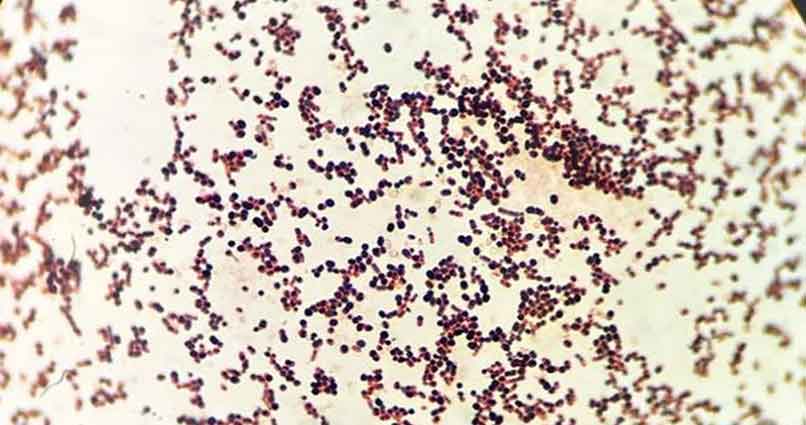
At the core of this innovation is the bacterium Bacillus subtilis, a safe and widely used industrial microorganism. Using the CRISPR-Cas9 gene-editing tool, the scientists modified the bacterium’s metabolism by introducing the amyQ gene, which encodes the enzyme α-amylase. This genetic tweak enabled the bacteria to efficiently break down starch and convert it into PHB in one integrated step. Laboratory results were impressive, yielding 11.3 g/L of biomass and 5.8 g/L of PHB, with the polymer accounting for 51.8% of the cells’ dry weight—figures that are fully competitive with current commercial standards. Since PHB is derived from renewable resources and is fully biodegradable, this technology represents a viable, eco-friendly alternative to petroleum-based plastics, helping to reduce both the carbon footprint and the accumulation of persistent waste in nature.
Global Potato Brief
Top five stories, prices, disease alerts and events. Weekday mornings, no advertising.
Sources
- University of Barcelona research — named in the article
Linked in this material
- Country
- Spain
- Companies
- University of Barcelona
- Technologies
- CRISPR-Cas9 editing of Bacillus subtilis; amyQ / alpha-amylase expression; single-step PHB fermentation
- Sections
- Equipment for packingPacking