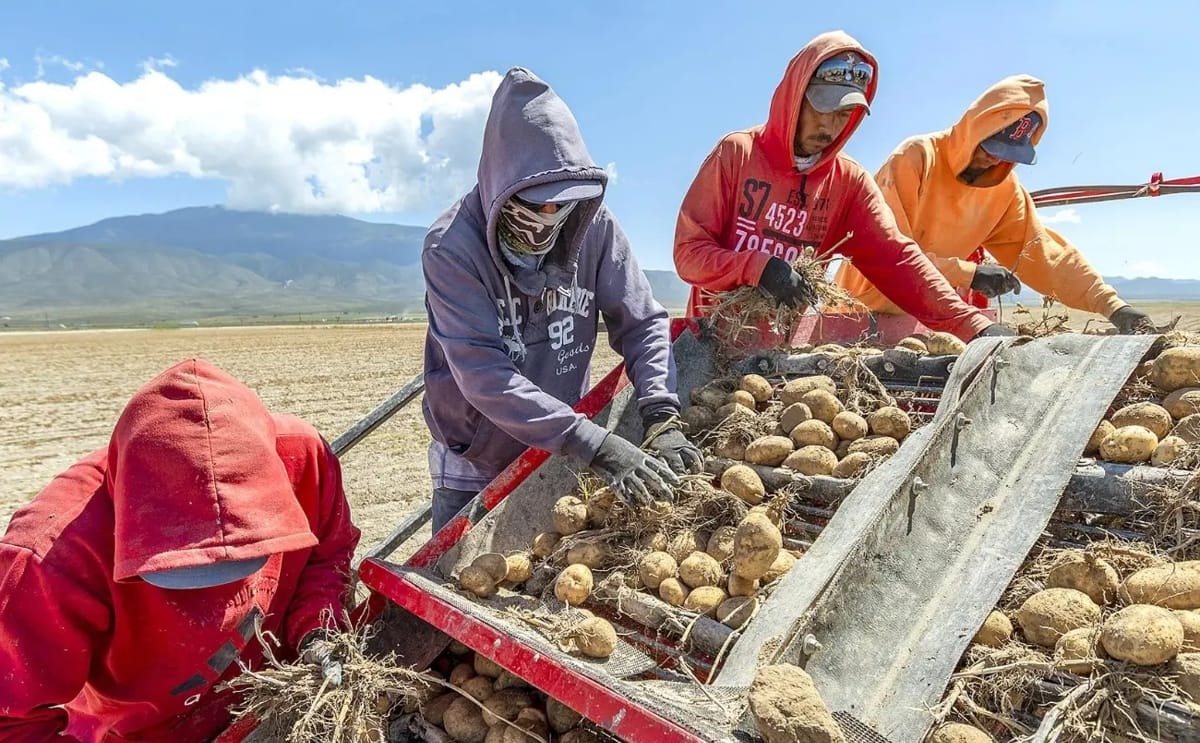
In the district of Cocachacra (Arequipa region, Peru), a specialized training program for local agricultural producers has been successfully completed. The initiative aimed to modernize potato cultivation methods, improve seed quality, and introduce environmentally safe pest control practices. Potatoes remain one of the key food and commercial crops for small and medium-sized farms in southern Peru. However, in recent years, farmers in Cocachacra, located in the Tambo Valley, have faced a series of serious challenges, including climate change, a shortage of high-quality certified seeds, and growing pressure from plant diseases and pests. Key Areas of the Training Program The masterclasses and field workshops covered the entire potato production cycle — from soil preparation to post-harvest handling. Experts paid special attention to the following aspects: Use of healthy seed material. Farmers were clearly demonstrated the benefits of using high-reproduction certified seeds. Specialists explained how timely replacement of planting material helps prevent the accumulation of viral and bacterial diseases, which increases yields by an average of 30–40%. Integrated Pest Management (IPM). In the face of a changing climate, traditional chemical pest control methods (against pests such as the potato tuber moth and late blight) are becoming less effective and more costly. The courses emphasized biological control methods, proper crop rotation, and the targeted application of modern, low-toxicity products. Optimization of mineral nutrition and irrigation. Participants mastered the methodology for calculating macro- and micronutrient application rates based on rapid soil analysis. They also learned about water-saving irrigation technologies, which help prevent soil salinization in the Tambo Valley. "Training local communities in modern agronomic approaches is a crucial step toward the sustainable development of the region. We aim not just to give farmers theoretical knowledge, but to equip them with practical skills to analyze field conditions. This will reduce production costs and increase the competitiveness of Peruvian potatoes," the event organizers noted. Practical Significance for the Region Such educational initiatives have a long-term socio-economic impact on the Cocachacra district. Improving qualifications allows farmers to transition from intuitive farming to a science-based approach. This not only stabilizes the income of rural families but also ensures the food security of the region by supplying high-quality, safe produce to the markets. The organizers emphasized that support for Cocachacra's farmers will not end with a one-time course. Moving forward, they plan to conduct regular monitoring of the participants' fields to assess how the acquired knowledge is being implemented in practice and to provide timely advisory assistance.