Peru (Cañete): Farmers Forced to Destroy Potato Crops Due to Climate Change-Driven Pest Outbreak
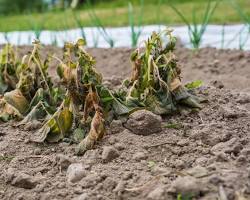
In the province of Cañete (Lima region, Peru), agricultural producers are facing a massive crisis in the potato sector. Triggered by anomalous climate changes, an aggressive wave of pests has swept the area, forcing many farmers to completely eliminate their plantations to halt the spread of the phytosanitary threat.
Traditionally, the coastal areas of Cañete province have been essential suppliers of potatoes to Peru’s domestic market, including the country’s capital, Lima. However, the current agricultural season has taken a devastating hit due to a severe disruption of familiar weather cycles and the subsequent population explosion of dangerous insects and pathogens.
The Climate Factor and Pest Activation
Experts and local producers point to sharp climate changes as the primary catalyst for this agricultural crisis. The lack of the usual winter cooling and atypically high temperatures for this period created ideal conditions for the rapid, unchecked reproduction of pests. In particular, there is a surge in threats like the potato tuber moth (Phthorimaea operculella) and various aphid species, which not only destroy the foliage and tubers directly but also act as vectors for dangerous viral diseases.
Weekdays. Unsubscribe in one click.
Under these abnormally warm conditions, the life cycle of the insects shortened significantly, causing populations to grow exponentially. Traditional chemical treatments and standard doses of insecticides proved ineffective, as the pests quickly adapted to the products in the high-temperature environment.
Forced Crop Eradication
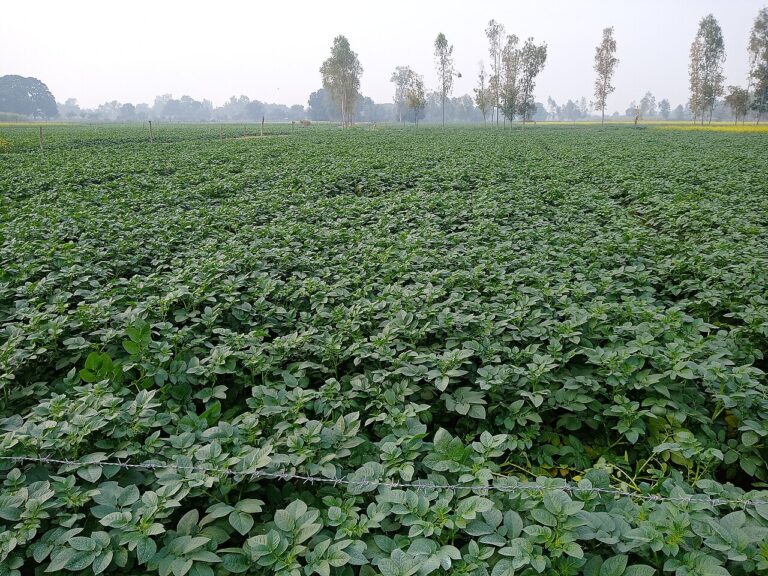
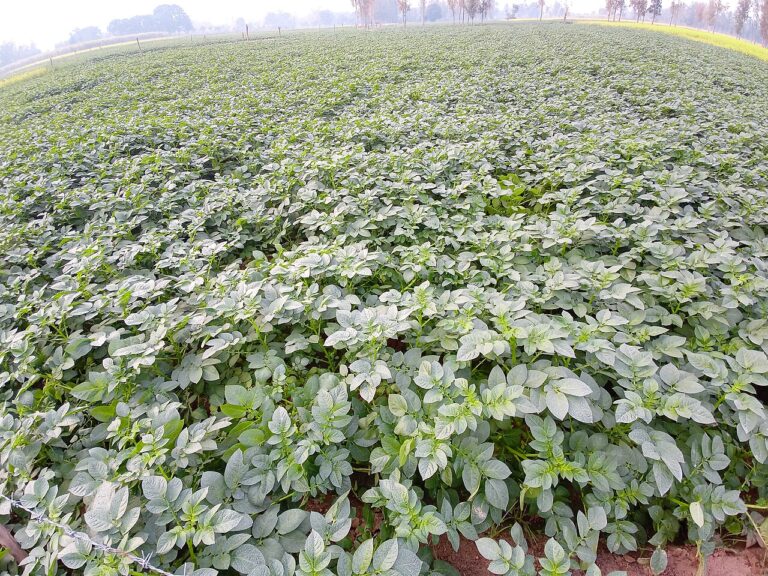
Faced with crop damage reaching a critical 70–90% in some fields, farmers made the radical and painful decision to completely destroy (by disc harrowing or burning) infected potato plantings.
“Continuing to invest money into treating fields that are already practically wiped out by insects makes no economic sense. The only way to prevent the infection from spreading to neighboring, still-healthy plots and other crops is the total eradication of the affected plants,” shared distressed local producers.
In addition to the direct crop losses of the current season, the destruction of plantings inflicts a severe financial blow on farms. Most of them operate using credit lines, leaving growers with massive debts to banks and suppliers of seeds and fertilizers.
The Need for Systemic Changes
The unfolding situation in Cañete clearly demonstrates that climate change is not a hypothetical threat of the future, but a real factor altering the rules of agriculture today. Industry specialists emphasize the need for urgent support measures for affected farmers from Peru’s Ministry of Agricultural Development and Irrigation (MIDAGRI).
In the long term, the region will require a complete overhaul of its phytosanitary strategies:
- Introducing new potato varieties that are more resilient to drought and high temperatures.
- Transitioning to Integrated Pest Management (IPM), combining biological protection methods.
- Creating modern meteorological monitoring systems to forecast insect outbreaks well in advance.
Without large-scale technological modernization and government support, potato farming in Peru’s coastal regions risks becoming too hazardous and unprofitable a business.