Global: Uncontrolled Weeds Cut Potato Yields by 44% on Average in US and Canadian Trials
A study of 105 field trials found that potato yields fell 12% to 61% when weeds were not controlled. The farm-gate loss would reach US$465 million in the US and US$61 million in Canada.
How much yield do weeds take from potatoes? A group of weed scientists from the United States and Canada answered this question with data from field trials. The study, led by Zahoor Ganie, was published in the journal Weed Technology in 2023 (volume 37, pages 21 to 24).
The authors compared yield in weedy plots with no weed control against weed-free plots with more than 95% control. They used 84 trials in the United States and 21 in Canada, run between 2000 and 2018.
Yield loss ranged from 12% to 61%. The average for all states and provinces was 44%. Losses differed strongly by region:
Weekdays. Unsubscribe in one click.
- Oregon: 61%
- Washington: 55%
- Idaho: 43%
- Wisconsin: 35%
- Prince Edward Island: 26%
- Texas: 23%
- North Carolina: 21%
- North Dakota: 20%
- New York: 12%
The study then put a value on the loss. With a price of US$0.0506 per kg, uncontrolled weeds would cost about 9.1 billion kg of potatoes and US$465 million a year in the United States. In Canada, the loss would be about 1.2 billion kg and US$61 million. The US grows about 410,000 ha of potatoes and Canada about 134,000 ha.
Potatoes in Canada reported that the 26% loss in Prince Edward Island equals about US$13 million. Co-author Andrew McKenzie-Gopsill of Agriculture and Agri-Food Canada in Charlottetown said: “Anything we can do to limit the seeds that are viable and return to the seedbank minimizes weed pressure in potato.”
The weeds in the trials included barnyardgrass, common lambsquarters, green foxtail, hairy nightshade, kochia, quackgrass and redroot pigweed.
Why it matters
The numbers show the value of weed control in money, not only in yield. The loss was highest in the irrigated West, where yields are high and weeds grow well with water. The authors note that the critical period of weed control varies with region, soil, nutrients and weed species. It usually starts at planting and lasts until several weeks after flowering.
This matters as growers face fewer herbicide options and rising costs. Farms can use the regional figures to compare the cost of a weed program with the yield it protects.
Prevention & control · Editorial note
Weeds in potatoes: what growers can do
- Prevention: control perennial weeds before planting; use clean seedbeds and timely hilling; rotate crops.
- Monitoring: scout fields in the first weeks after emergence, when weeds cost the most yield.
- Chemical protection: metribuzin (HRAC 5), rimsulfuron (HRAC 2), clomazone (HRAC 13), clethodim (HRAC 1, grasses) — check the national register of your country.
- Resistance management: use herbicides with different HRAC groups in sequence or in mixtures and combine them with mechanical control.
This note is provided by the potatoes.news editorial team for information only. It is not a recommendation of any company and is not mandatory. Use only plant protection products authorised in your country and follow the label. Product names and registrations differ between countries; consult a local agronomist.
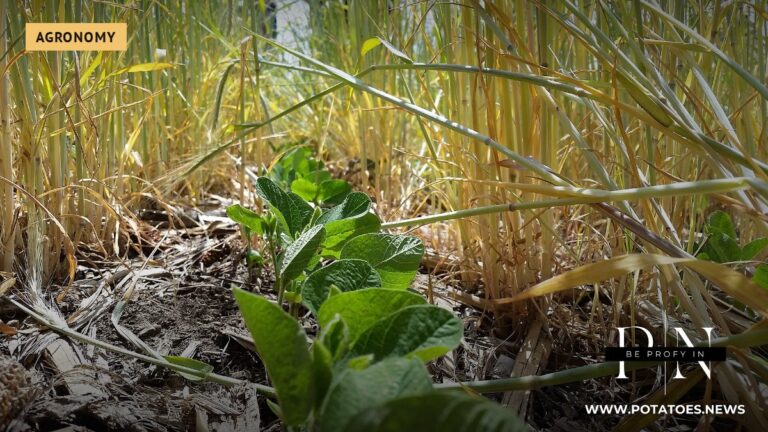
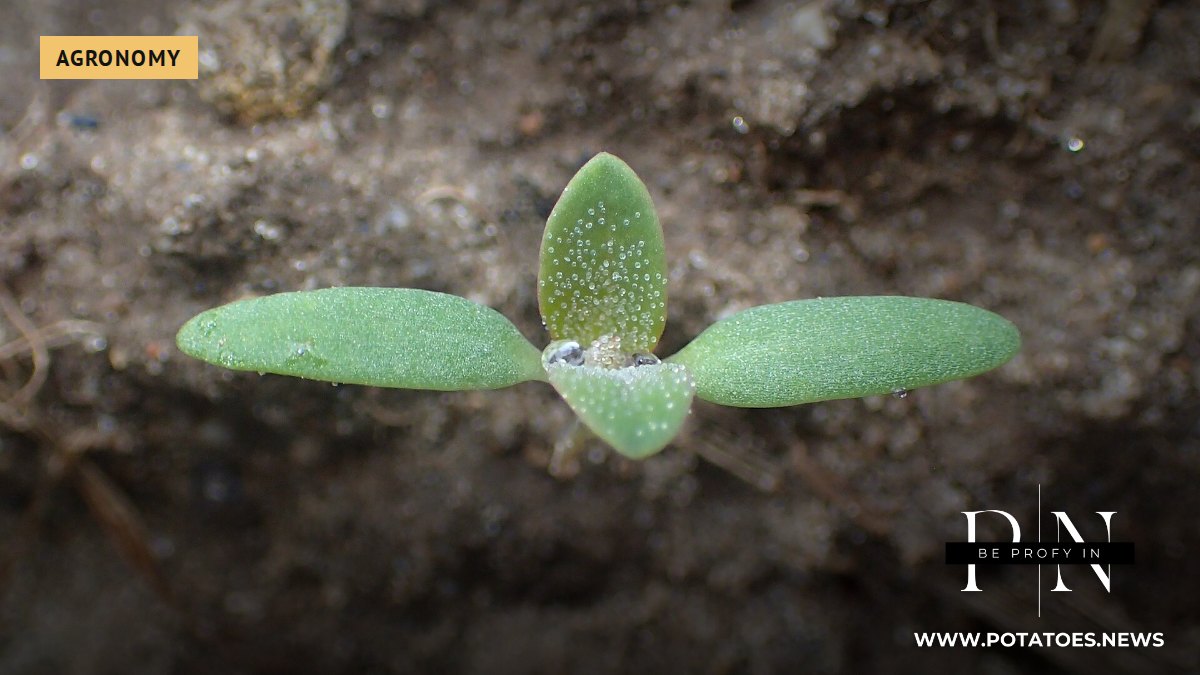
Photo: Fat hen (Chenopodium album) seedling in a field (illustrative). Krzysztof Ziarnek, Kenraiz / Wikimedia Commons, CC BY-SA 4.0