
Global: Maleic Hydrazide Needs 3 kg/ha About 5 Weeks Before Haulm Kill for Sprout Control
With CIPC gone, maleic hydrazide is a field-applied base for sprout control. It delivers 3 kg/ha in one application, ideally about five weeks before haulm destruction.
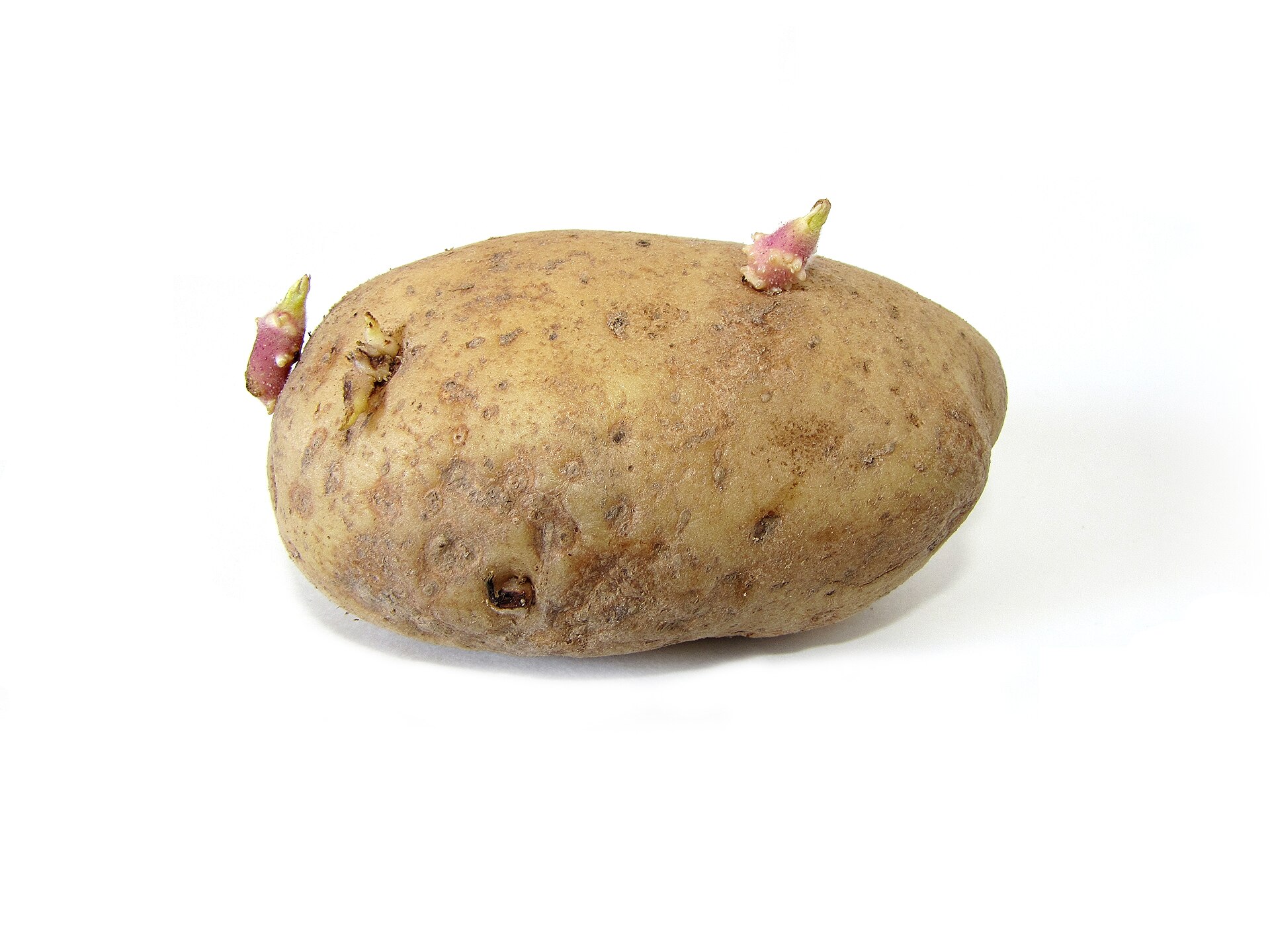
Since chlorpropham (CIPC) lost its approval, stores need other sprout suppressants. Maleic hydrazide (MH) is different from store treatments. It is sprayed on the growing crop and moves into the tubers.
Rate and residue rules
All MH formulations for potatoes deliver 3 kg of active substance per hectare, according to AHDB. Only one application is permitted. The maximum residue level (MRL) is 60 mg/kg.
A 2019 review by Adrian Cunnington for AHDB collects decades of research. Older work used 2.5 kg/ha, applied 3–5 weeks before haulm death or destruction (Burton, 1978). A residue of about 12 ppm was considered necessary for maximum long-term sprout control (PMB, 1987).
Weekdays. Unsubscribe in one click.
Timing is critical
The review names about 5 weeks before defoliation as the preferred timing. Early work found that spraying 4–7 weeks before harvest gave almost complete sprout inhibition (Paterson and colleagues, 1952). Spraying too early can cost yield. Application when 80% of tubers were only 25 mm in diameter was considered too early (De Blauwer and colleagues, 2012).
The crop must be healthy to take up the product. In a grower survey, 95% of respondents applied MH when foliage was more than 75% green. They wanted at least 12 dry hours before spraying and no rain forecast for the following 24 hours.
What MH can and cannot do
MH alone gives short-term control of 2–4 months in processing or crisping stocks stored at 7–10°C, the review notes. In 2016, about 20,000 acres (roughly 8,100 ha) were treated in the UK. That was 15% of the crop. Growers also value MH for controlling volunteers, but rated this effect only 6.1 out of 10.
Store-applied products complete the programme. Spearmint oil (one product, BIOX-M, based on R-carvone) is applied as a hot fog and burns back sprouts. Orange oil (Argos, based on limonene) saw its first commercial use in Great Britain in autumn 2021. Neither oil has an MRL. The product 1,4-dimethylnaphthalene (DMN) was not approved in Great Britain in 2021.
Why it matters
MH is the only sprout suppressant applied in the field. That means the decision must be made weeks before harvest. Wrong timing, stressed foliage or rain after spraying can leave residues too low for long storage.
For long-term processing stores, MH is a base layer. It usually needs a store treatment on top, such as ethylene, spearmint oil or orange oil. Growers and store managers should plan the full programme before the growing season ends.
Photo: A potato with sprouts (illustrative). ZooFari / Wikimedia Commons, public domain