Global: EU Brown Rot Rules Keep Potatoes Off Infected Fields for 4 Years and Tighten Checks on Egyptian Imports
EU rules for potato brown rot require 200-tuber tests, destruction of infected lots and a four-year ban on host crops on infected fields. Egyptian ware imports face extra checks until 2029.
Potato brown rot, caused by the bacterium Ralstonia solanacearum, and ring rot, caused by Clavibacter sepedonicus, are quarantine pests in the European Union. There is no chemical cure. Control relies on testing, destruction of infected lots and strict limits on land and water. Two EU regulations set the numbers for brown rot.
Commission Implementing Regulation (EU) 2022/1193, adopted on 11 July 2022, sets the standard laboratory sample at 200 tubers per test. For plants without symptoms, a composite sample can hold up to 200 stem pieces or leaf stalks. Infected lots must be destroyed or disposed of with no risk of spread, for example by incineration, heat treatment or controlled industrial processing. Lots that are probably infected may go to packed consumption or industrial processing with official approval.
On an infected field, planting of host crops is banned for the first four years, and volunteer potatoes and wild host plants must be removed. From year five, only potatoes that are not for planting may be grown, and they must be tested. An alternative scheme allows bare fallow, cereals or permanent pasture for three years, then non-host crops. In demarcated areas, only certified seed potatoes may be planted for at least three years. Irrigation with surface water declared infected is banned, and machinery and stores must be disinfected.
Weekdays. Unsubscribe in one click.
Imports from Egypt
A second act, Implementing Regulation (EU) 2025/1289, was adopted on 2 July 2025 and applies until 30 November 2029. It sets temporary rules for Egyptian ware potatoes after more brown rot interceptions in the two previous import seasons. Potatoes must come from pest-free areas with no confirmed finding in the production year and the three years before. Each lot must be sampled with at least 200 tubers, with extra samples if one site ships more than 200 tonnes. If the bacterium is found, the site is removed from the list for the current year and the three following years.
Why it matters
One positive test can close a field to potatoes for at least four years and stop a whole export site for a season and three more years. That makes prevention far cheaper than an outbreak. The EU-funded POMATO project, coordinated by the University of Burgos in Spain with an EU contribution of about €6.5 million for 2025–2029, aims to cut the incidence of both diseases by 40–60%.
For growers anywhere, the lessons are the same: use certified seed, avoid surface water of unknown status, clean machines between farms and test suspicious tubers early.
Prevention & control · Editorial note
Brown rot (Ralstonia solanacearum) and ring rot (Clavibacter sepedonicus): what growers can do
- Prevention: plant only certified, tested seed; never irrigate with surface water of unknown status; clean and disinfect harvesters, graders and stores between lots and farms; remove volunteers and wild nightshade hosts.
- Monitoring: cut and inspect suspicious tubers at harvest and grading; send samples to the official laboratory.
- Chemical protection in the world: no effective chemical control; prevention only.
- Resistance management: not applicable; long rotations and strict hygiene are the only tools.
This note is provided by the potatoes.news editorial team for information only. It is not a recommendation of any company and is not mandatory. Use only plant protection products authorised in your country and follow the label. Product names and registrations differ between countries; consult a local agronomist.
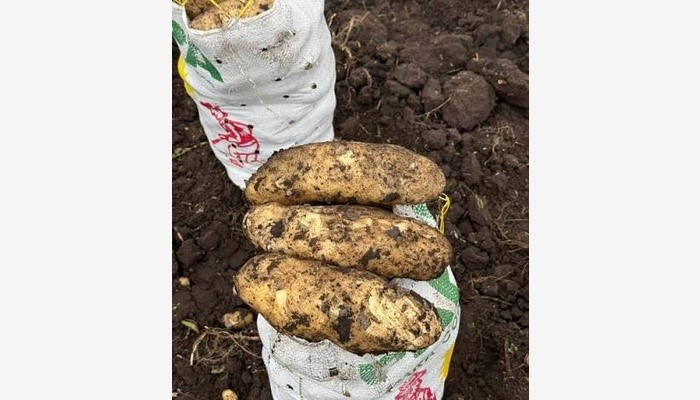
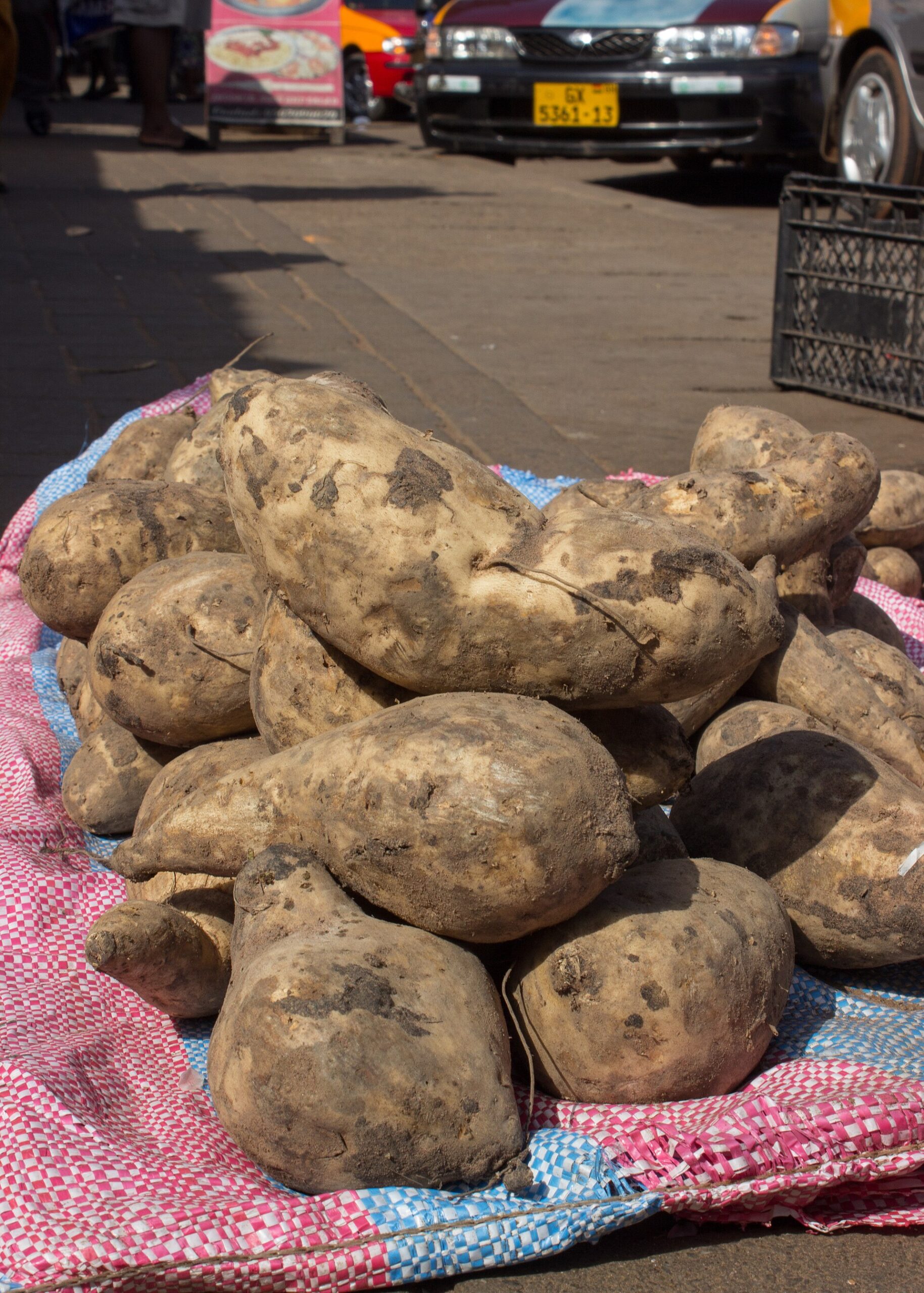
Photo: Potatoes on a sack (illustrative). DromoTetteh / Wikimedia Commons, CC BY-SA 4.0