
US: Late Blight Keeps Spreading in the Northeast as Wisconsin Disease-Risk Values Stay Above the Action Threshold
New late blight detections were confirmed on tomato in New York and Vermont this month, and potato cases were reported earlier in Michigan and Quebec. In Wisconsin, disease-risk values remain above the threshold as potato harvest continues.
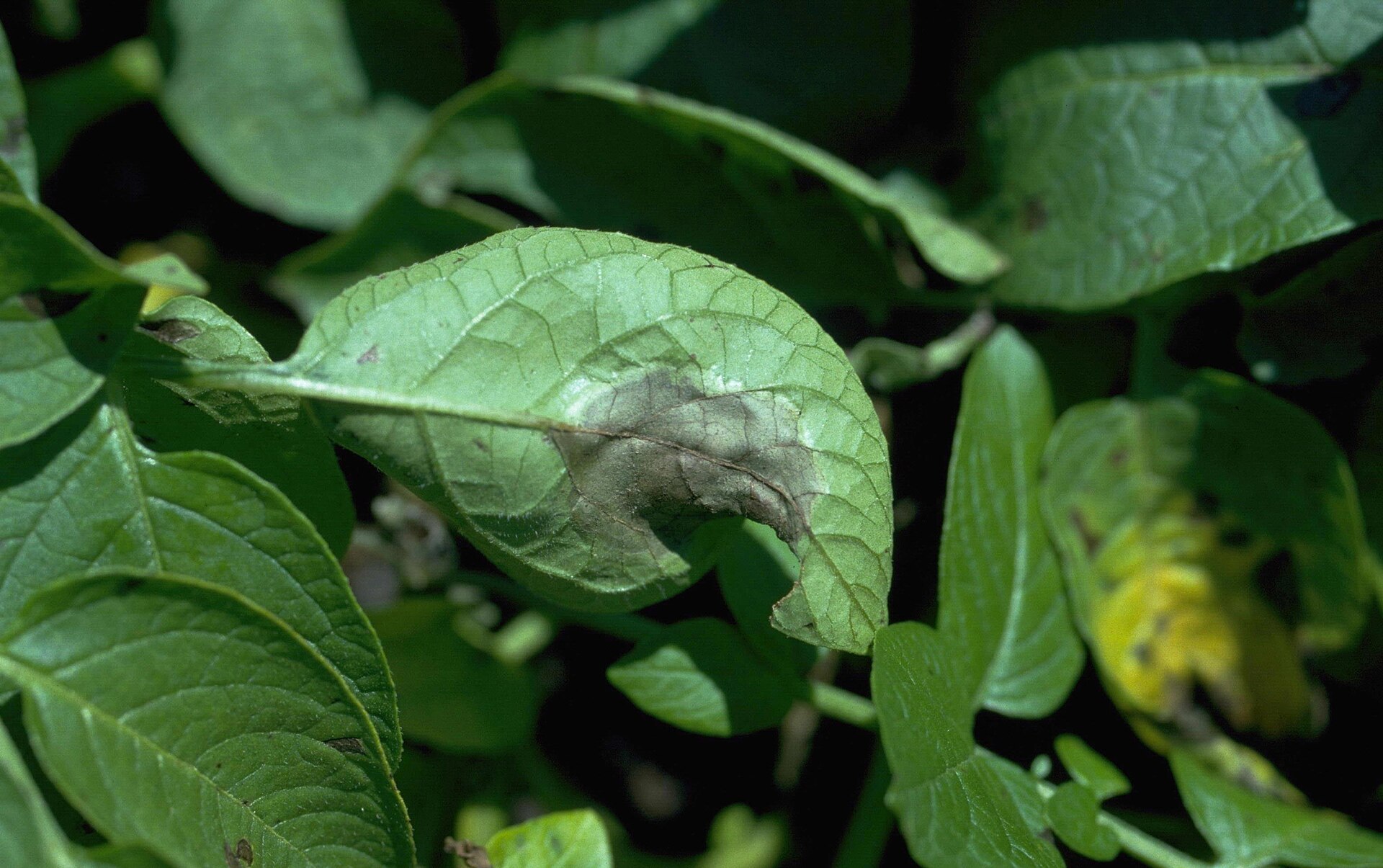
Late blight continues to spread in the north-east of the United States. Plant pathologists at the University of Wisconsin–Madison and at Penn State Extension reported new detections in their updates of 20 and 22 September. Most of the new cases this month are on tomato. However, the disease also affects potato, and the risk to tubers remains until harvest.
The University of Wisconsin update was prepared by the extension vegetable pathologist Amanda Gevens. According to the update, late blight on potato was confirmed this season in St. Joseph County, Michigan, and in the Canadian province of Quebec. The Michigan isolate was of the genotype US-23. On tomato, the disease was found in Franklin County, Vermont, in four counties of New York, and in Henderson County, North Carolina. The North Carolina isolate was a new clonal lineage, not US-23.
Penn State Extension said in the week of 22 September that new infections continue to be confirmed across the Mid-Atlantic region. New York, Vermont and Canada have all reported infections this month. One of the affected New York counties, Chautauqua, borders Pennsylvania.
Weekdays. Unsubscribe in one click.
In Wisconsin, no late blight has been confirmed this season. However, the weather has favoured the disease. Disease severity values (DSV) are used to forecast late blight. By 19 September, all monitored potato locations in Wisconsin were above the action threshold of 18. For example, the season total was 79 at Spring Green and 51 at Arlington. In the past week alone, these locations added 14 and 11. Early blight risk is also high. The P-Day values for early blight were 696–1,099, against a risk threshold of 300.
The update warns that tubers remain susceptible while they are in the ground, even after the vines have been killed.
Why it matters
Late-season infection of tubers can lead to rot in storage. Harvest is now under way, so the period between vine kill and lifting is critical. The report of a lineage other than US-23 in North Carolina is also something growers and pathologists will follow. Growers should scout fields, lift carefully and check stored lots.
Prevention & control · Editorial note
Late blight (Phytophthora infestans): what growers can do
- Prevention: use certified seed, destroy cull piles and volunteer plants, kill vines completely and lift only when tubers are protected from infected foliage.
- Monitoring: follow local DSV forecasts and extension alerts; scout fields before harvest.
- Chemical protection in the United States: chlorothalonil (FRAC M5), mancozeb (FRAC M3), fluazinam (FRAC 29), cyazofamid (FRAC 21), cymoxanil (FRAC 27) — check the national register of the United States and state labels.
- Resistance management: rotate or mix FRAC groups; use single-site products only with a multi-site partner.
This note is provided by the potatoes.news editorial team for information only. It is not a recommendation of any company and is not mandatory. Use only plant protection products authorised in your country and follow the label. Product names and registrations differ between countries; consult a local agronomist.
Photo: Late blight (Phytophthora infestans) on a potato leaflet (illustrative). Howard F. Schwartz, Colorado State University / Wikimedia Commons, CC BY 3.0 US