Global: Ethylene at 4–10 ppm and Spearmint Oil Replace CIPC at 3–6 Times the Cost
AHDB, NAPPO and UK trade reports show how ethylene and spearmint oil control sprouts after the CIPC ban, what doses are used and why costs per tonne are several times higher.
After the loss of chlorpropham (CIPC) in Europe, potato stores rely more on two other sprout control tools: ethylene gas and spearmint oil. They work in different ways, cost different amounts and carry different risks for processing quality.
Ethylene is a natural plant hormone. It does not kill sprouts. It keeps them short and weak, and only while the gas is present. A 2021 AHDB research review says ethylene is approved for continuous use throughout storage at 10 ppm. A 2013 NAPPO science document gives 4 ppm in the store air, with continuous exposure. UK store scientists quoted by Farmers Guide say the usual start rate is 10 ppm, but literature suggests rates can go down to 4 ppm without losing efficacy.
The weak point of ethylene is sugar. The AHDB review cites work showing that ethylene raises tuber respiration and speeds up the conversion of starch to sugars, with a dose-dependent darkening of fry colour. An AHDB project (R426, 2009–2012) grouped varieties by response. Markies, Russet Burbank and Sylvana responded very well to ethylene. Cabaret, Maris Piper, Hermes and Saturna responded less.
Weekdays. Unsubscribe in one click.
Spearmint oil works the other way. It burns off sprouts that already exist. According to NAPPO, rates of about 50 to 100 ppm are used, and one application gives 2 to 5 weeks of control, depending on temperature and variety. Several applications are needed for a full season. In the Farmers Guide report, a UK store manager used about 60 ml per tonne, with 90 ml where needed, and kept stores closed for 72 hours after application. NAPPO notes that some mint oils can affect tuber flavour.
Costs differ too. Farmers Weekly reported ethylene at £3–3.50 per tonne for 6–8 months of storage, plus about £4,000 a year to lease the equipment or £15,000 to buy it. Spearmint oil cost £4–6 per tonne per treatment, repeated every 4 to 6 weeks. CIPC had cost less than £1 per tonne per treatment.
Why it matters
There is no single replacement for CIPC. Ethylene suits long storage and responsive varieties but can darken fry colour. Spearmint oil gives fast knock-back without the sugar problem but needs repeated treatments and closed stores. Stores will need to match the product to the variety and the market, and budget several times more per tonne than before.
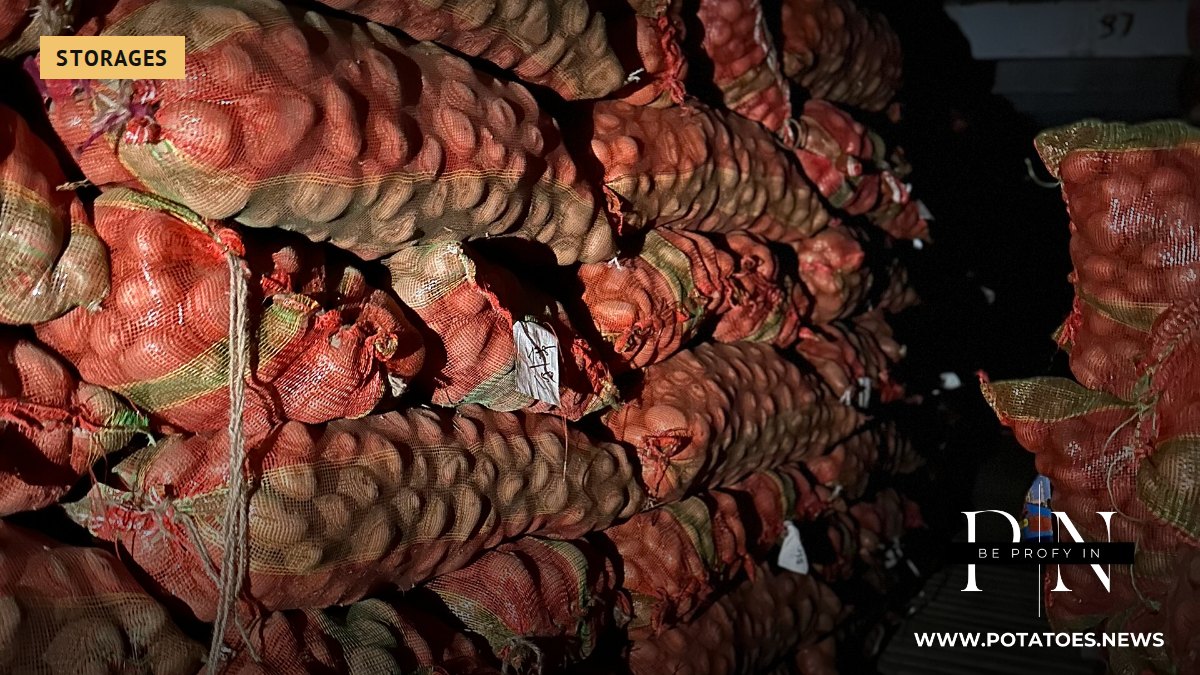
Photo: Potatoes in a cold store at Harduaganj, India (illustrative). Whispyhistory / Wikimedia Commons, CC BY-SA 4.0