Romania: Lack of Storage Keeps Potato Imports Above €100 Million a Year, Grower Says
Key takeaways
- 70–80% of Romanian potato needs could be grown at home
- 100 million euros a year is spent on potato imports
- 0.8–1 leu per kg is the farm price for potatoes at harvest
- 50–100% price rise follows in the months after harvest
Why it matters
- For farmers
- Explore shared or cooperative storage to sell later in the season. Even short-term storage can capture part of the 50–100% price rise.
- For traders
- Expect costlier western European supply this winter. Consider forward buying from Romanian growers with storage.
- For suppliers
- Offer modular cold stores and ventilation systems sized for small and mid-sized farms in Covasna and similar regions.
- For investors
- Look at regional potato storage centres. The import bill and seasonal price gap point to a clear investment case.
60-second summary
Romania grows potatoes well but cannot store them well, and that gap costs the country dearly. A grower from Covasna county says domestic farms could meet most of national demand, yet without controlled storage they sell right after harvest at under one leu per kilogram. In later months prices rise by half or even double, and imported potatoes from western Europe, priced forty to sixty percent above local ones, take the market. He puts the yearly import bill at over one hundred million euros and calls for shared regional storage centres, since small farms cannot fund cold stores alone and energy costs keep rising. With the western European harvest down sharply, imports may be dearer this winter. Caution: every figure here is the estimate of a single producer given in a newspaper interview and has not been compared with official trade statistics.
Romania could grow most of the potatoes it eats. Yet it still spends heavily on imports. That is the view of Peter Kiss, a potato grower in Covasna county. He spoke to the business daily Ziarul Financiar on 15 September 2026.
Peter Kiss owns Solfarm, a family farm business. It grows potatoes, cereals and rapeseed. The business had revenue of 18 million lei in 2025, according to the newspaper.
Storage is the missing link
According to the grower, Romanian farmers could cover 70% to 80% of domestic potato needs. The problem is storage. Without controlled storage, growers cannot keep quality for three to six months. They must sell soon after harvest, when prices are lowest.
Weekdays. Unsubscribe in one click.
Farm prices now stand at 0.8 to 1 leu per kg, he said. Between harvest and the following months, prices rise by 50% to 100%. By then, many local potatoes are already sold.
Imports fill the gap. According to the grower, Romania spends more than €100 million a year on potato imports. Potatoes from western Europe sell at prices 40% to 60% higher than local ones.
A call for shared stores
Peter Kiss argues for regional storage centres. He says individual farms struggle to finance their own stores. Rising energy costs make cold storage more expensive to run.
Covasna is one of the best-known potato regions in Romania. Its mountain climate suits the crop. But many farms there are small and lack modern buildings.
A tight European market
The timing matters. Western Europe faces one of its smallest potato harvests in years. The combined crop in the Netherlands, Belgium, France and Germany is estimated at 20.8 million tonnes. That is 23.7% below last season. Imported potatoes may therefore cost more this winter.
Why it matters
Storage decides who captures the seasonal price rise. Romanian growers sell cheap at harvest and import costs flow abroad later in the year. Better storage could keep more value in the country.
The figures come from one grower and have not been checked against official data. Still, they point to a clear investment gap. Shared regional stores, possibly with public support, could reduce the import bill and stabilise farm incomes.
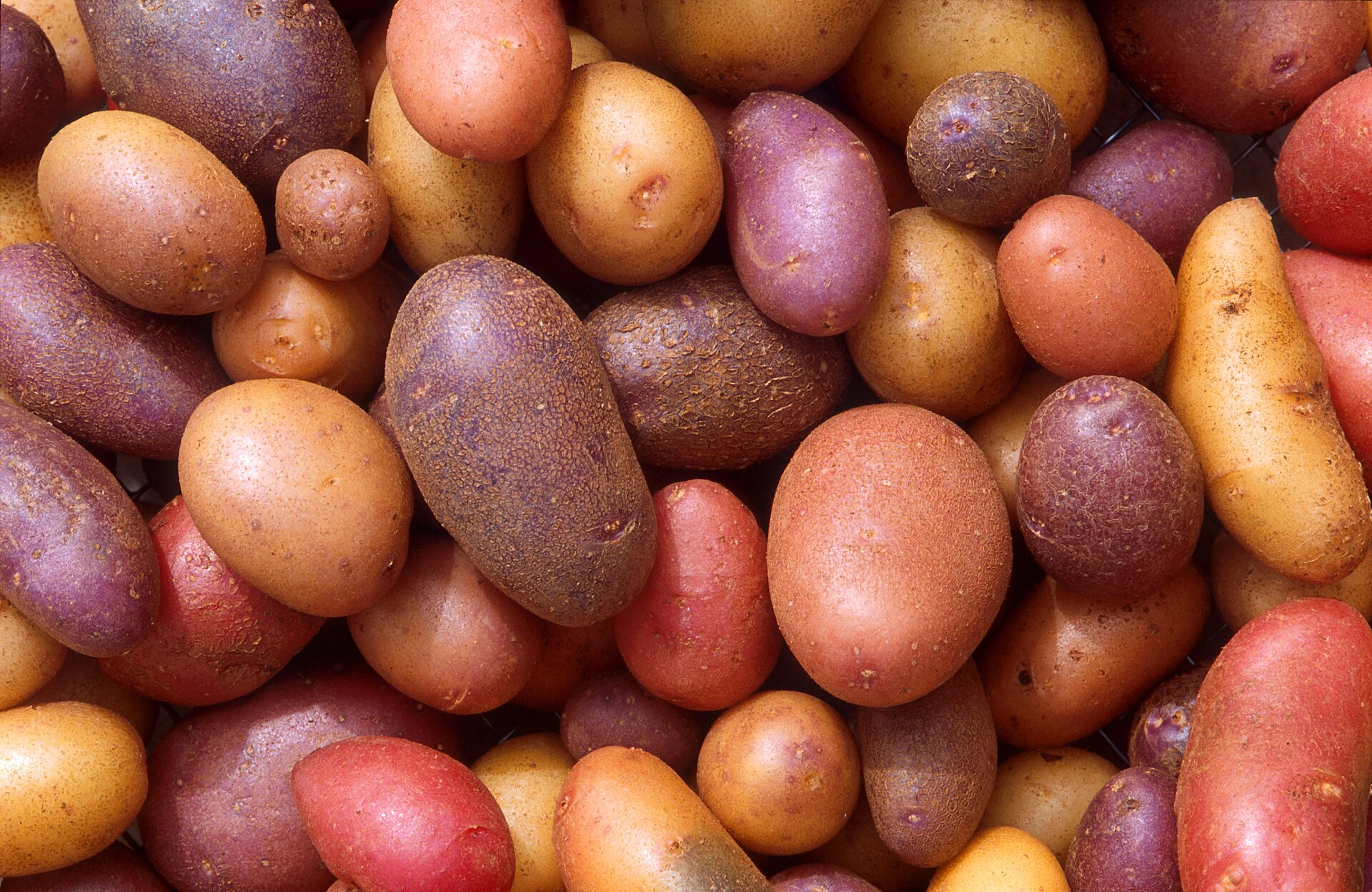
Photo: Potatoes (illustrative). Scott Bauer, USDA ARS / Wikimedia Commons, public domain
Global Potato Brief
Top five stories, prices, disease alerts and events. Weekday mornings, no advertising.
What next
The grower calls for regional storage centres. No public programme or funding is named in the report. Winter import prices will depend on the tight western European supply.
Sources
- Ziarul Financiar (ZF Agropower) — Producător de cartofi din Covasna — https://www.zf.ro/zf-agropower/zf-agropower-producator-de-cartofi-din-covasna-romania-ar-putea-sa-si-acopere-70-80-din-necesarul-de-cartofi-dar-ne-lipsesc-depozitele-avem-produsul-dar-nu-putem-sa-mentinem-calitatea-pe-termen-lung-23238445
- Boerenbusiness — Fors kleinere oogst zet aardappelmarkt op scherp (EU-4 context) — https://www.boerenbusiness.nl/akkerbouw/aardappelen/artikel/10917064/fors-kleinere-oogst-zet-aardappelmarkt-op-scherp
- ОДИН ИСТОЧНИК
Linked in this material
- Country
- Romania
- Companies
- Solfarm
- Technologies
- controlled storage