Global: Energy Use Varied Up to Threefold Between 38 Benchmarked Potato Stores
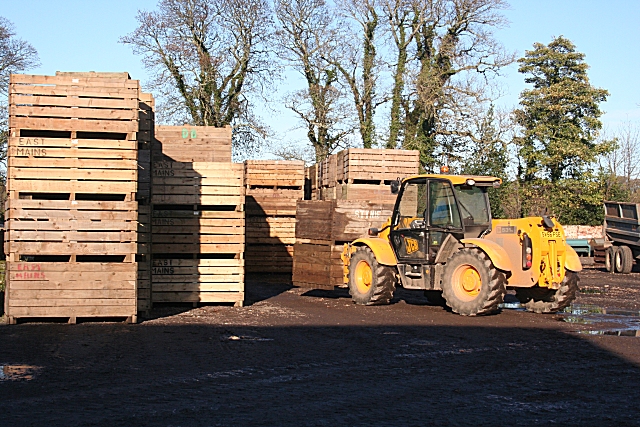
UK benchmarking of 38 potato stores found up to a threefold gap in energy use, driven largely by fans, refrigeration and building fabric.

An AHDB project that monitored 38 commercial stores in Great Britain between 2007 and 2010 found as much as a threefold difference in energy consumption between the highest and lowest users.
Much of that energy goes to moving and cooling air. Refrigeration and ventilation can account for up to 50% of storage energy use. The benchmarking work identified two common forms of waste: ventilation running when it had no useful effect, and refrigeration operating at the same time as heating, so that one system removes heat the other has just added.
The building itself adds load. Improper insulation can let in heat at up to 25 W per square metre of surface, and every watt that enters has to be removed by refrigeration. Uneven air distribution creates hotspots and moisture build-up that can cause spoilage and extra energy use for corrective climate control.
Weekdays. Unsubscribe in one click.
Operator knowledge mattered. In the benchmarking, the best-performing stores were those whose managers best understood their equipment and its settings, and automated controls can cut energy use when operators understand and manage them. Variable-speed fans are another way to cut costs.
Storage energy should be seen in proportion. In McCain’s 2020 carbon footprint data for potatoes, storage accounted for 1.7% of emissions, compared with 34.1% for transportation, about 34.5% for fertiliser production and application combined, and 11.3% for crop protection.
Sources: AHDB, 2010; Potato Business, 2025; McCain Foods, NIAB CUPGRA presentation; Spudman, 2023