Global: Similar Potato Stores Differ Three-Fold in Energy Use, 0.09–0.27 kWh per Tonne per Day
AHDB found up to 300% variation in electricity use between potato stores of the same type. Variable-speed fans cut fan energy by 40–63% in US trials and also reduced weight loss.
Electricity is one of the largest running costs of a potato store, and benchmarks show large gaps between stores. The third edition of the AHDB Potato Store Managers’ Guide (2018) says long-term storage can account for up to 100 kWh of energy per tonne. AHDB analysis found as much as 300% variation between stores of the same type, from 0.09 to 0.27 kWh per tonne per day.
Over a 250-day storage season, that range means about 22 to 68 kWh per tonne (our calculation). An earlier AHDB benchmarking project monitored 38 commercial stores from 2007/08 to 2009/10 and also found a three-fold difference between the highest and lowest users.
Fans are the easiest saving
Fan power falls sharply with speed. The AHDB guide says that reducing a fan to 80% of full speed cuts its energy use by around 50%. Field trials in North America confirm large savings from variable-speed fans.
Weekdays. Unsubscribe in one click.
A report by Cascade Energy Engineering for the Northwest Energy Efficiency Alliance (2003) tracked storages in Washington, Oregon and Idaho over three seasons. Variable frequency drives cut fan energy by an average of 40.3%. Weight loss (shrink) fell by an average of 0.8%. Fry colour, specific gravity, glucose and sucrose were not affected. For a sample store of 300,000 cwt, the report estimated savings of 408,000 kWh and 9,600 US dollars a year, with a payback of 2.7 years on energy alone and 1.7 years when lower shrink was included. Fan speeds during winter holding were 35–75%.
In a trial reported by Scott Sanford of the University of Wisconsin-Madison, adjustable-speed fans saved 63% of fan energy from October to mid-April, or 44,305 kWh. Shrink was about 0.5% lower, and payback was 0.9 to 1.25 years.
Why it matters
A three-fold gap between similar stores means many stores pay for energy that does not protect the crop. Savings come from simple steps: metering electricity per store, slowing fans once the crop is at holding temperature, sealing doors and keeping insulation dry. Lower fan speeds can also reduce weight loss, so the payback includes more saleable tonnes, not only a lower power bill.
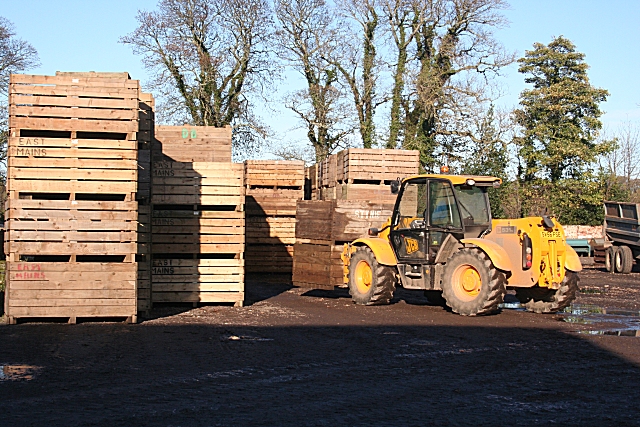
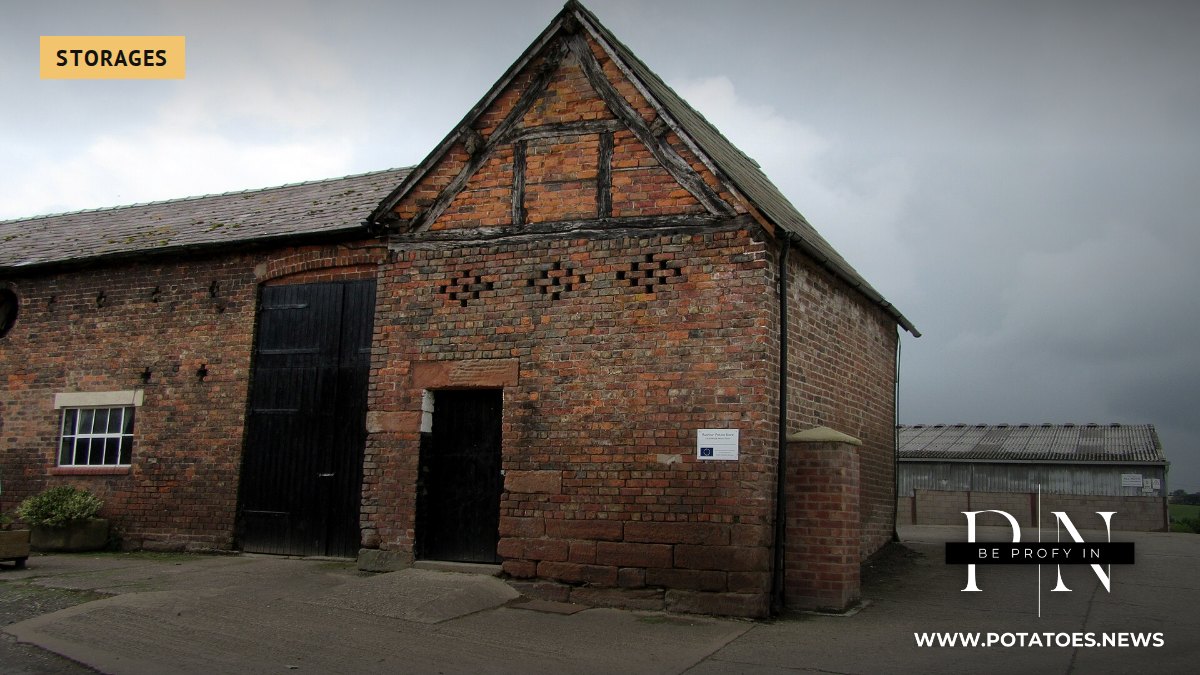
Photo: A potato store on a farm (illustrative). John H Darch / Wikimedia Commons, CC BY-SA 2.0