
Potatoes Harvested in the Rain: How to Dry the Crop and Keep It in Storage
Long rains force many farms to dig in wet soil. Wet tubers carry a higher rot risk, and the first 30 days in storage decide the fate of the lot.
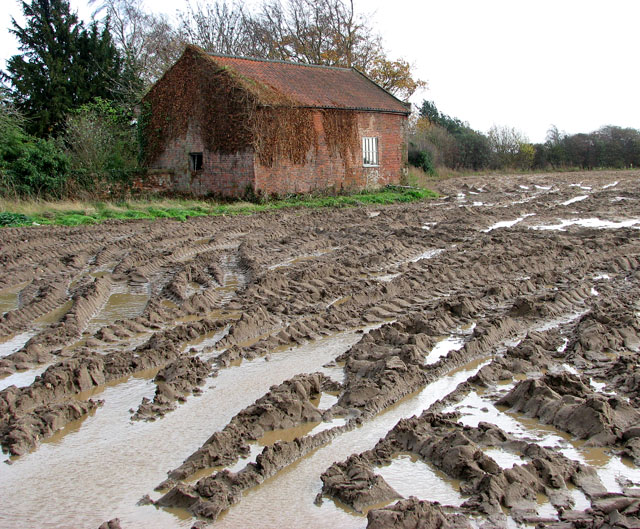
Long rains in the middle of the harvest put farms before a hard choice. They can wait for dry weather and risk delivery dates and frost. Or they can dig in wet soil. In many regions this season, farms choose to dig. Potatoes from waterlogged soil are a high-risk lot. The first weeks in storage decide what happens to them.
Why a wet tuber is at risk
In waterlogged soil, the lenticels on the tuber skin open. Lenticels are natural pores, and pathogens enter through them easily. After a wet harvest, the main threats are water rots and bacterial rots. These include pink rot, Pythium leak and soft rot. Specialists at the University of Massachusetts note that soil stuck to tubers also creates conditions for soft rot in storage. Mechanical damage adds to the problem. Wet soil passes through the webs more slowly, and tubers stay longer in contact with the machine.
What can be done in the field
The provincial potato development centre in New Brunswick, Canada, gives these recommendations for wet seasons:
Weekdays. Unsubscribe in one click.
- Do not dig when soil temperature is below 50 °F (10 °C) or above 65 °F (18 °C).
- Keep drops on the harvester and at loading within 6 inches (about 15 cm).
- Mark waterlogged low spots. If rot is already present there, leave them unharvested.
- Grade out infected tubers before storage.
The key step: drying in the first 30 days
For problem lots, the main rule is to dry the tuber surface quickly. Specialists advise strong ventilation for the first 30 days of storage until tubers are fully dry. The Canadian guidance sets at least 2 cfm per barrel, or 1.2 cfm per hundredweight (about 45 m³/h per tonne of potatoes). For wet lots with leaking tubers, the advised relative humidity during drying is 85–90%. This is lower than for a healthy crop. The gap between the pile and the ceiling should be at least 2 feet (0.6 m).
After the surface is dry, the lot moves to the normal curing period. Curing lasts 10–14 days at 13–15.5 °C (55–60 °F) with high humidity, so that wounds can heal. Then the lot is cooled slowly. For table potatoes, the advised rate is about 1 °C every 3–4 days, down to 4.5–5.5 °C (40–42 °F).
Some farms dry and grade the potatoes later, when they leave the store. With this approach, grading at intake is minimal, and the main cleaning happens during sales. This works only with reliable forced ventilation and regular temperature checks in the pile.
Why it matters
A wet harvest is not a disaster by itself, but it shifts the whole load to the store. Farms with strong ventilation and discipline in the first 30 days will save most of the crop. Where wet potatoes are stored in the usual way, losses will appear by mid-winter. The quality of this year’s storage potatoes will largely be decided in the coming weeks.
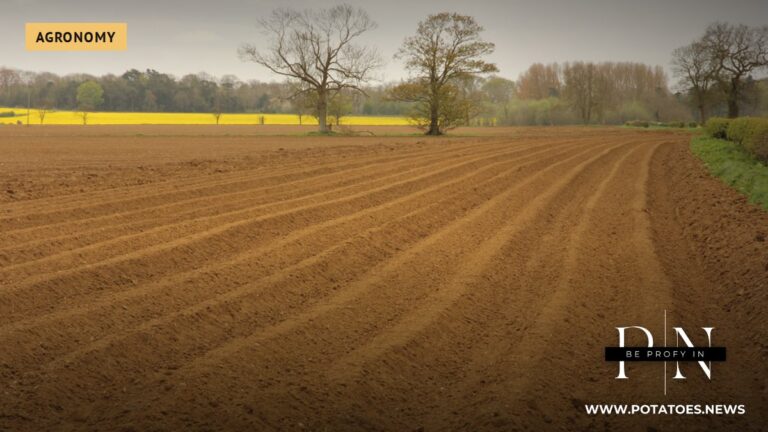
Photo: A harvested potato field with wet, soggy ground after heavy rain (illustrative). Evelyn Simak / Wikimedia Commons, CC BY-SA 2.0