Global: Potatoes Under Shop Light Can Pass the 200 mg/kg Glycoalkaloid Limit in 36 Hours
A Norwegian study found three cultivars exceeded 200 mg/kg glycoalkaloids after 36 hours of retail light. Greening was four times faster at 20°C than at 6°C.
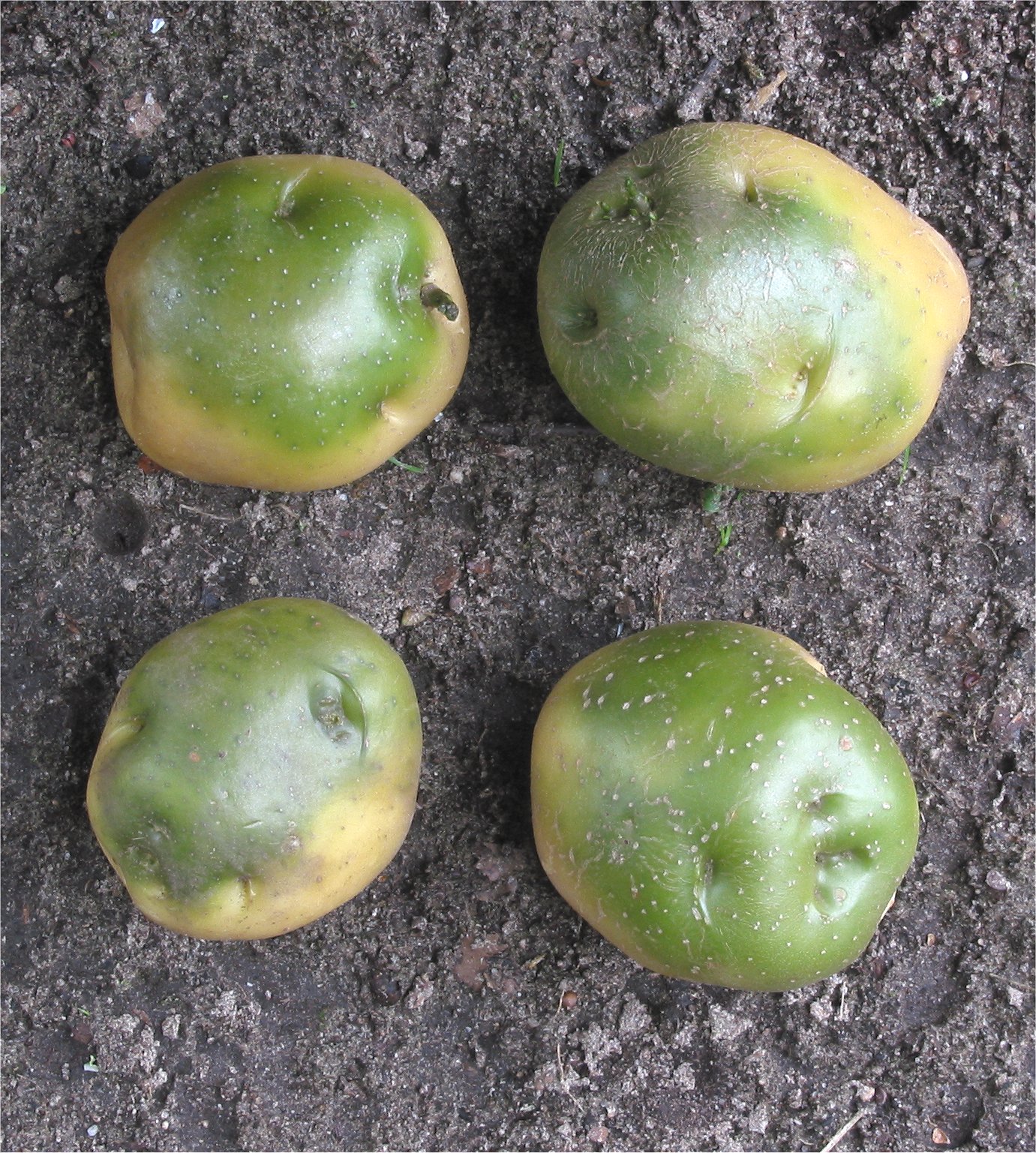
Light turns potato skin green. The green colour itself is chlorophyll, but light also triggers the formation of glycoalkaloids. These bitter compounds are toxic at high levels. Two recent publications show how fast this can happen in stores and shops.
Norwegian researchers Hanne Larsen and Eldrid Lein Molteberg tested potatoes under retail LED light in a study published in Potato Research (2023). Seven cultivars became unacceptably green after 24 to 60 hours of light. At 20 °C, with 16 hours of light a day, potatoes turned unacceptably green within 2 days. At 6 °C this took 9 days, so greening was four times faster at the higher temperature.
Three cultivars exceeded the recommended maximum of 200 mg/kg glycoalkaloids (fresh weight) after 36 hours of light. None of the tested packaging materials gave enough protection. The authors say light transmission must be below 0.02 W/m2 to prevent greening at 20 °C.
Weekdays. Unsubscribe in one click.
Reference levels
Oregon State University Extension (publication EM 9407, October 2023) gives reference numbers. Normal potatoes kept in the dark contain 12–20 mg/kg. Green tubers can hold 250–280 mg/kg, and green skin 1,500–2,200 mg/kg. Bitterness starts at about 140 mg/kg, and levels above 200 mg/kg are considered unsafe. The toxic dose is given as 2 mg per kg of body weight. In one test, peeled Russet Burbank slices under fluorescent light for 48 hours rose from 2 to 74 mg/kg.
Cooking helps only in part: frying at 210 °C removed about 40%, and boiling peeled potatoes about 39%. Peel makes up only 2–3% of tuber weight but holds much of the glycoalkaloids. The publication recommends storage at 5–8 °C.
Why it matters
Greening is a quality loss at every step after harvest: in grading halls, on washing lines, in trucks and on supermarket shelves. Stores should be dark, with lights on only during work. Packers and retailers can cut losses with cool display, short shelf times and packaging that blocks more light.
Both sources use 200 mg/kg as the safety guide. Cultivar choice also matters: in the Norwegian tests, the time to unacceptable greening varied from one to two and a half days between varieties.
Photo: Green potato tubers after exposure to light (illustrative). Rasbak / Wikimedia Commons, CC BY-SA 3.0