“Any hour of ventilation is dehydration.” With this rule, Eroll van Groenewoud, director of the Dutch storage company Omnivent Techniek, explained how potato stores in India should be designed. He spoke in the handling and storage session of the Global Potato Summit 2025. The Indian portal IndianPotato published a detailed report of the talk on 20 September 2026.
According to the report, Omnivent has worked in India since 2008 and now has about 400,000 tonnes of potato storage capacity in the country. Its Indian partner is Ross Enterprises of Gurugram, set up in 2015, which supplies agri cold stores, frozen storage, wooden boxes and intake lines.
Seven points for store owners
Van Groenewoud’s main message is that weight loss is an operating cost. Each hour that fans run removes water from the potatoes and reduces the weight that can be sold. Omnivent therefore sizes its systems so that they need to run only 4–5 hours a day, based on local climate data and heat-load calculations that include solar radiation. Holding potatoes until December, he said, is a result of such design, not of a thermostat setting.
Other points from the talk:
- storage cannot cure damage done before the potatoes arrive;
- potatoes rejected and fed to cattle are still a loss;
- renovating a sound building with a modern ventilation system is often better than building new;
- owners should start with one profitable cell and grow step by step;
- investments should be judged over 25–30 years.
Ross intake lines convert 50 kg bags to bulk at about 20 tonnes per hour and grade the potatoes at intake, so that a storage cell can be filled in 3–5 days. The target storage period is 10–11 months. Ross makes about 40,000 wooden boxes a year and aims for 70,000–80,000 next year, according to the report.
Van Groenewoud also warned about timing. Indian buyers often decide only 4–5 months before they need a store. For equipment made in Europe, this is not enough time for manufacturing, sea freight, customs and installation. His advice is to order in spring for commissioning the following spring.
Why it matters
India stores most of its potatoes for many months, and store owners usually look at the electricity bill rather than at shrinkage. The Omnivent view turns this around: the potatoes lost as water often cost more than the power. For processors who need raw material late into the season, store design decides how much of the crop stays usable.
Growers and store owners who plan new capacity for the 2027 season should ask suppliers for heat-load calculations and the expected daily running hours before they sign a contract.
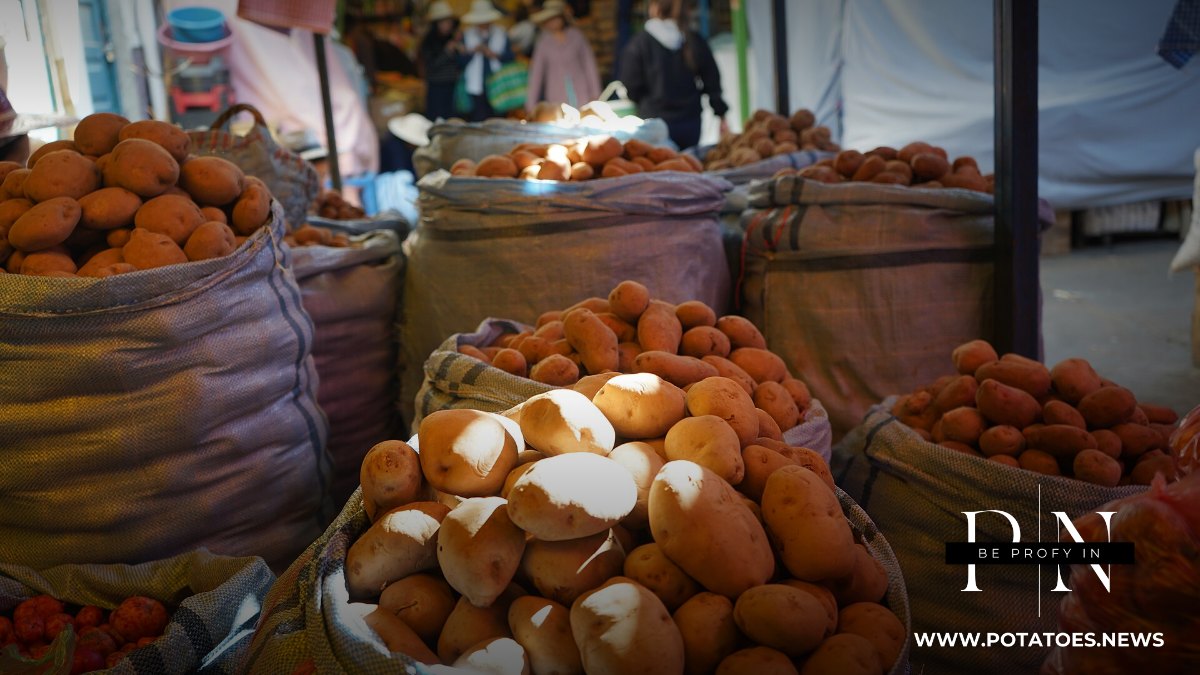
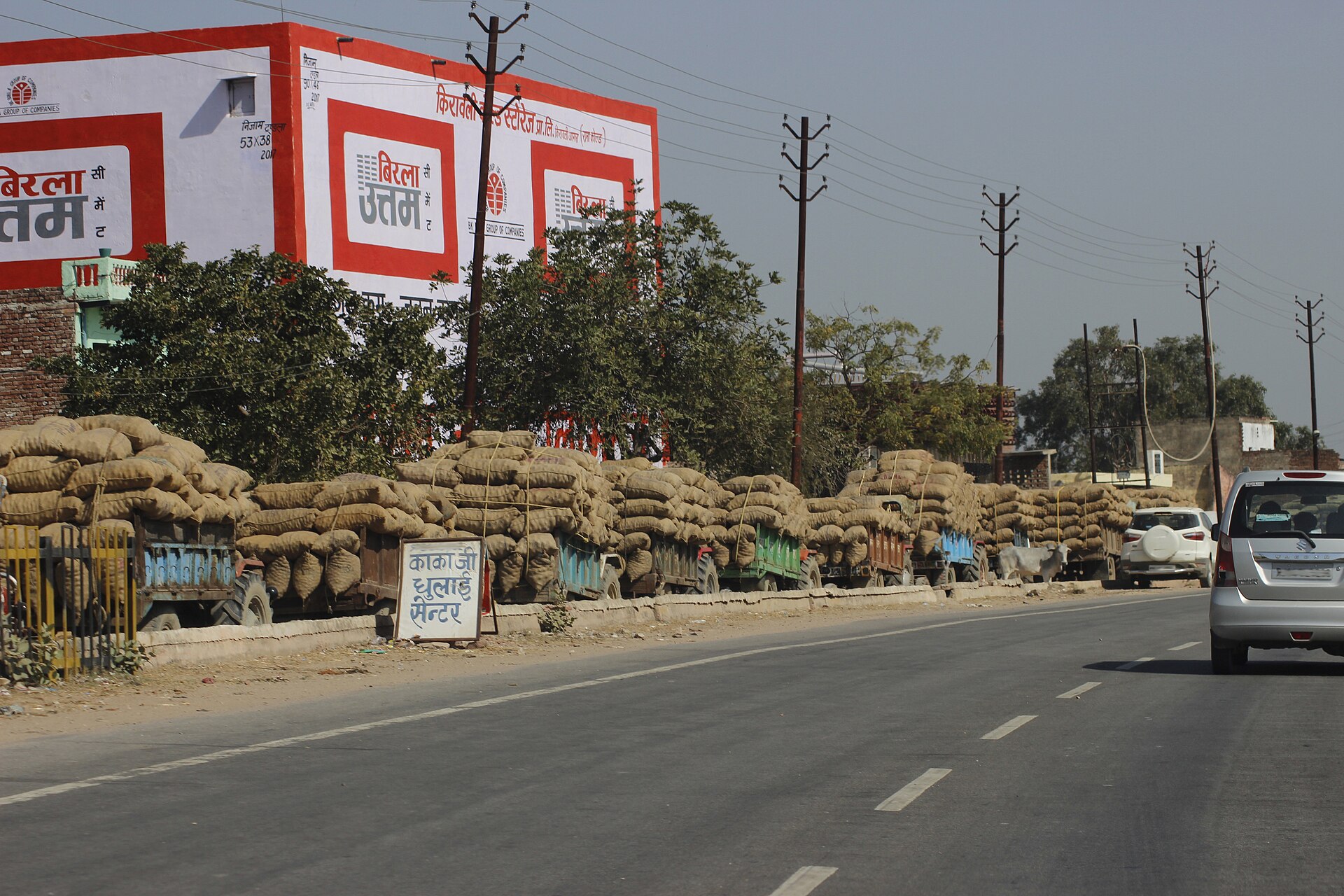
Photo: Potatoes being taken to a cold store in India (illustrative). Suyash Dwivedi / Wikimedia Commons, CC BY-SA 4.0