Nizhny Novgorod’s First Agro-Aggregators Reshape Potato Supply Chains, Linking 38 Farmers to Federal Retailers
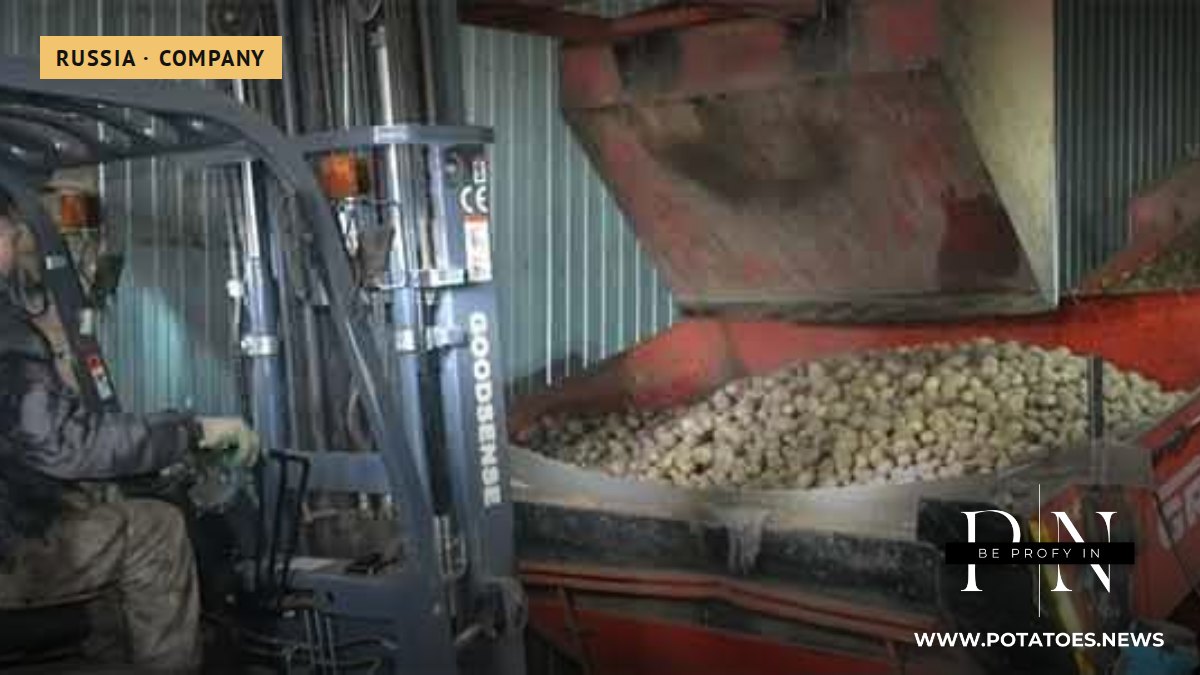
Nizhny Novgorod Oblast has launched its first two agro-aggregators—modern consumer cooperation centres designed to connect small farmers with large federal retail chains. The first opened in the village of Abramovo, Arzamassky District, run by individual entrepreneur Daniel Chebanu, who started as a farmer with an “Agrostartup” grant and grew into an aggregator specializing in potatoes. The centre handles sorting, washing, packaging, and delivery to retail, processing up to 40 tonnes per shift with roughly 1,500 square meters of storage. A second aggregator operates in the village of Kriushi, Vorotynsky District, on the basis of the agricultural consumer cooperative “Dary Vorotyntsa” led by Mikhail Buldin. It specializes in potatoes and cabbage, processes about 60 tonnes per shift, operates around 3,000 square meters of storage plus 300 square meters of processing space, and unites 35 farmers with a staff of 15. In 2025, it shipped roughly 1,000 tonnes of produce to X5 Group alone.
Across both aggregators, nearly 1,500 tonnes of vegetables from 38 farmers were sold in the first five months of operation (from mid-2025), with projected annual supplies to retail exceeding 3,000 tonnes. On 13 March 2026, X5 Group officially announced cooperation with both Nizhny Novgorod aggregators, which now supply vegetables to X5 distribution centres in the Volga Federal District. Vasily Pushkin, X5’s director for regional interaction, noted that aggregators solve a key problem for farmers—the lack of electronic document flow, logistics, and experience working with large chains. Senator Olga Shchetinina highlighted that a law passed by the Federation Council created the legal conditions for this model, producing a triple effect: farmers gain stable sales, retailers receive quality regional products, and consumers get fresh food with a short field-to-shelf journey. “Dary Vorotyntsa” was included in the 2025 list of rural cooperation development projects and received a regional subsidy of 1,525,833.33 rubles. The Abramovo and Kriushi centres are not the only form of cooperation in the region—the “Arzamassky Kartofel” cooperative, led by Valentina Vavilova, runs “field tours” as a practical school where members discuss costs, logistics, and plant responses to weather anomalies.