Moldova: Potato Growers Press Ministry on Seed and Storage Costs as Area Falls to 23,000 ha
Potato growers raised high costs for seed, irrigation and storage at a ministry meeting on 25 September. An analyst puts this year's area at 95.5% of 2025 and sees lower yields and weak keeping quality.
Potato growers in Moldova asked the government for help with rising costs on 25 September. The Ministry of Agriculture and Food Industry met the advisory council for the vegetable sector. Producers and trade associations took part, the state news agency Moldpres reported.
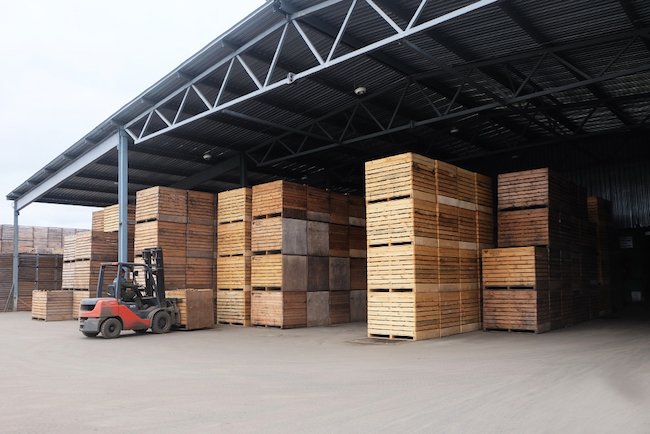
Potato producers named high costs for seed, irrigation and energy. They also listed storage, sorting and transport. They asked for accurate data on potato area and on commercial production. Such data would help to design support measures for the crop, they said.
Officials noted that a large part of the area in official statistics lies in household gardens. Commercial producers hold a smaller share. The ministry presented support under its agricultural policy programme for 2026–2030. It includes help for vegetable growers, small farms and young farmers.
Weekdays. Unsubscribe in one click.
Smaller area, lower yields
Potatoes cover about 23,000 hectares in Moldova in 2026, according to an analysis by Vadim Chetrari in Logos Press on 20 September. This is 95.5% of the 2025 area. Commercial plantings probably do not exceed 5,000 hectares, said Serghei Alba of the consultancy Expert-Agroteh. He expects yields about 20% below last year.
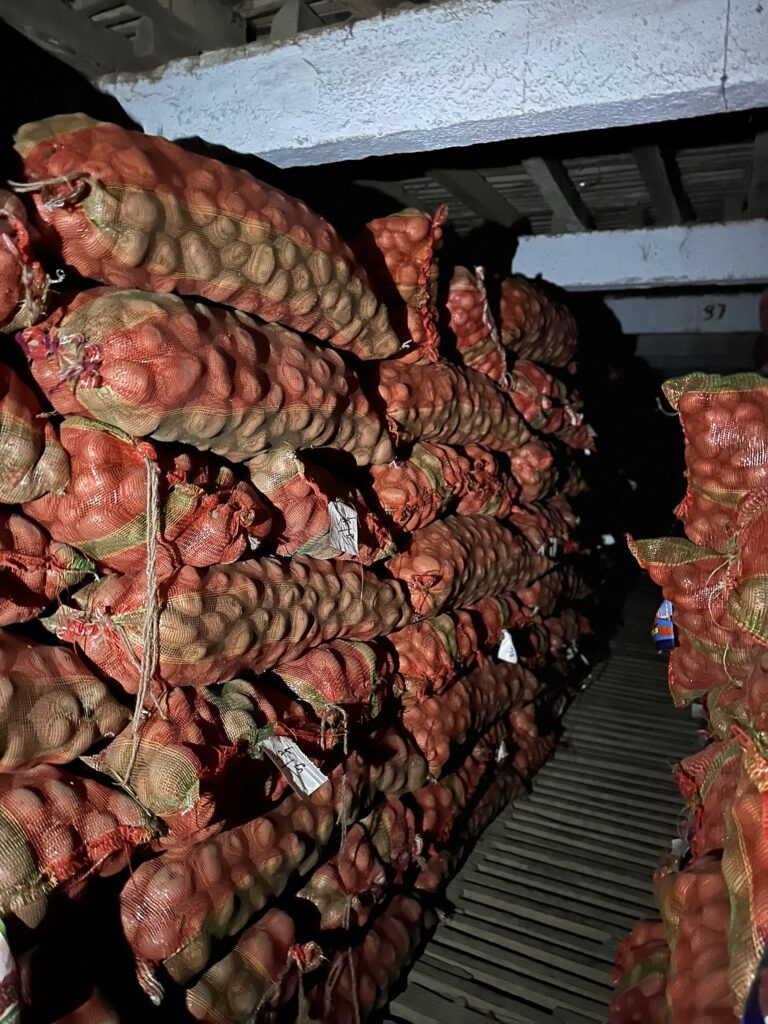
The quality of the local crop is not high, the analysis said. Storage of these potatoes will be difficult. Local supply should still last until April or May 2027.
Prices in Chișinău
On the wholesale market Revenco in Chișinău, potatoes sold for 4.5 lei per kg, the analysis said. At open-air markets the price was 10–12 lei per kg. This is two to three times the wholesale level.
In spring 2027, Egypt may become the main source of cheap new-crop potatoes for Moldovan retail chains, according to the analysis. Chains will have to choose between lower quality local potatoes and more expensive imports.
Why it matters
Moldova grows potatoes mainly in small plots. Only a small part of the crop reaches the formal market. This makes the country sensitive to price shocks when the harvest is poor.
This year, the main European exporters also have a short crop. Imports may cost more than usual. Better data and support for storage could help commercial growers supply the market for longer.
Photo: Potato tubers in Transylvania, Romania (not Moldova) (illustrative). DenesFeri / Wikimedia Commons, CC BY-SA 4.0