UK: Households Bin 510,000 Tonnes of Potatoes a Year, 46% of What They Buy
WRAP estimates that UK homes throw away 510,000 tonnes of potatoes a year. Older WRAP data show most of this weight is peel, but 180,000 tonnes were uncooked fresh potatoes.
Potatoes are one of the most wasted foods in British homes. The UK waste charity WRAP estimates that UK households bin 510,000 tonnes of potatoes each year. This represents 46% of all potatoes bought. The figure was published on 19 March 2025 with WRAP’s Household Food Management Survey. The fieldwork ran from 21 June to 1 July 2024 and covered 4,740 UK adults who shop for or prepare food.
Potatoes are part of a larger problem. UK homes throw away 2.5 million tonnes of fresh fruit and vegetables a year. Of this, 1.7 million tonnes is edible food worth £4 billion. WRAP links part of the waste to packaging. Only 19% of fresh produce is sold loose by large retailers. WRAP says about 60,000 tonnes of food waste could be prevented if all apples, potatoes and bananas were sold loose. Jackie Baily of the Love Food Hate Waste campaign said: “Because most fruit and veg is sold packaged, we have to buy what we’re given not what we need, and that means a lot goes to waste.”
Earlier WRAP data help to explain the 46% figure. A course summary based on WRAP studies from 2009 and 2011 gives this breakdown of household potato waste:
Weekdays. Unsubscribe in one click.
- Total household potato waste: 770,000 tonnes, or 45% of fresh potatoes bought
- Peelings: 480,000 tonnes
- Avoidable waste: 290,000 tonnes, or 17% of purchases, worth £230 million a year
- Uncooked fresh potatoes thrown away: 180,000 tonnes
- Cooked leftover potatoes: 98,000 tonnes
The same summary lists losses before the home. It gives 1–2% loss in the field, 3–13% at grading, 3–5% in storage, 20–25% at packing and 1.5–3% at retail.
Why it matters
The headline number mixes peel and good food. In the older data, peel was the largest part of household potato waste by weight. Still, 180,000 tonnes of whole, uncooked potatoes were thrown away. These are tubers that were grown, stored, washed, packed and transported for nothing.
For the potato chain, this is a market and a cost issue. Pack size, loose sales, storage advice on packs and potato quality at the shelf all affect how much reaches the bin. Packers and retailers that help shoppers buy the amount they need can cut waste without cutting real demand.
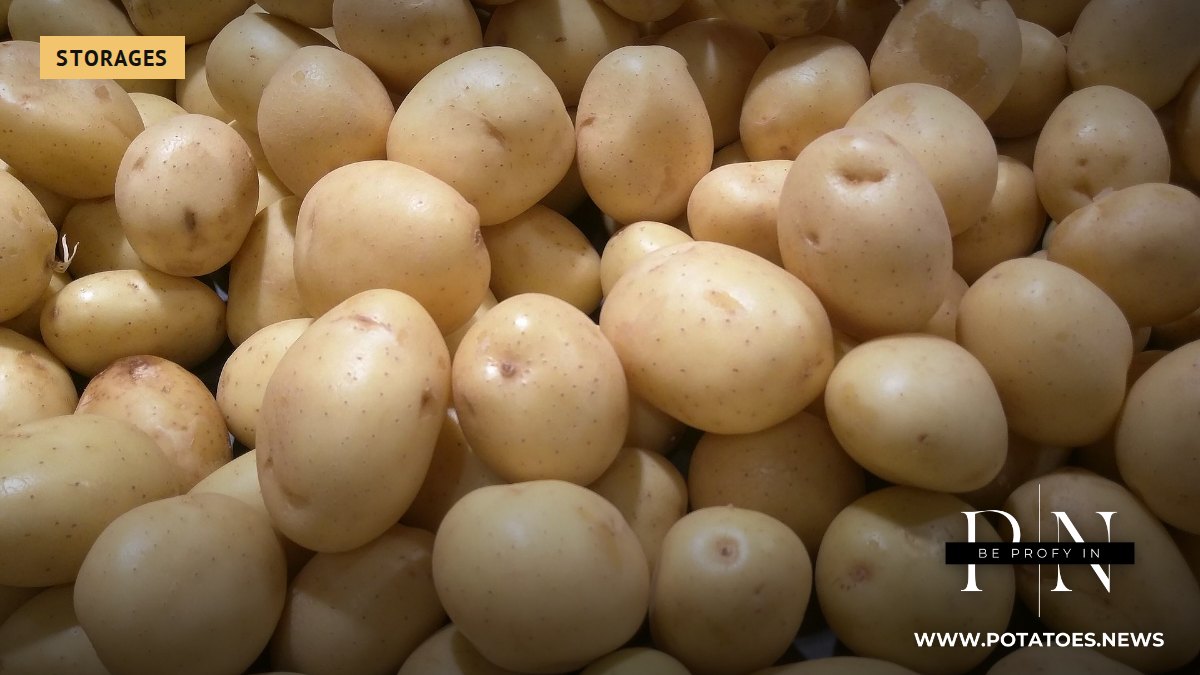
Photo: Loose potatoes in a supermarket (not UK) (illustrative). Maksym Kozlenko / Wikimedia Commons, CC BY-SA 4.0