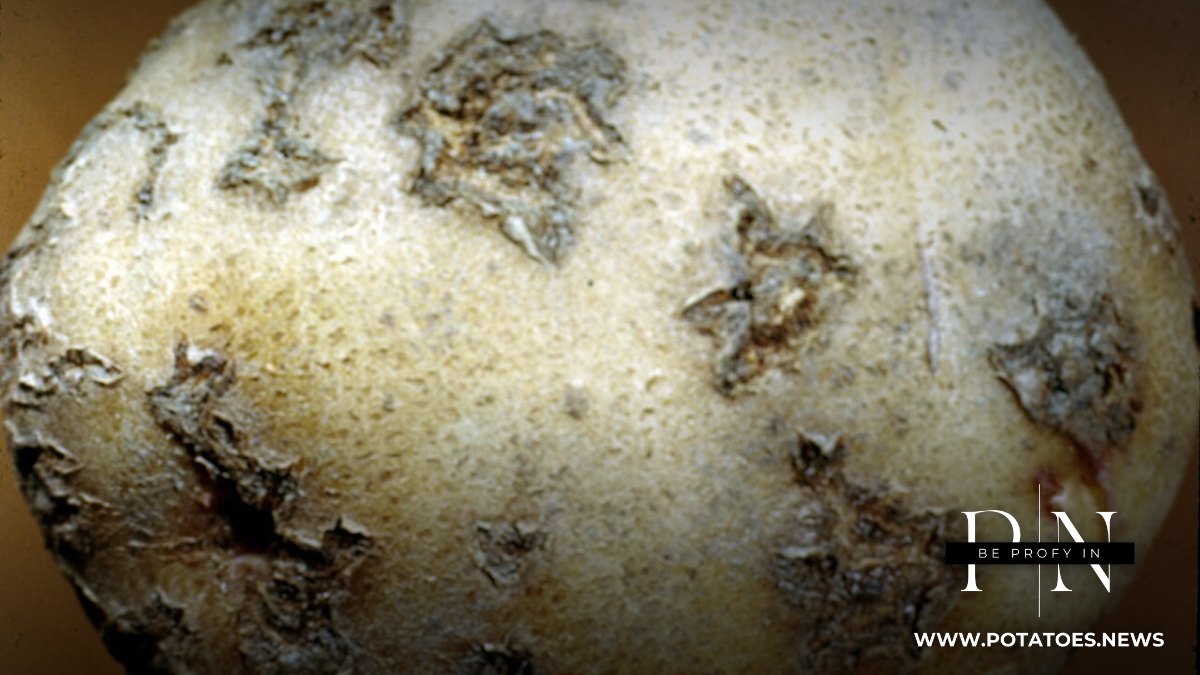
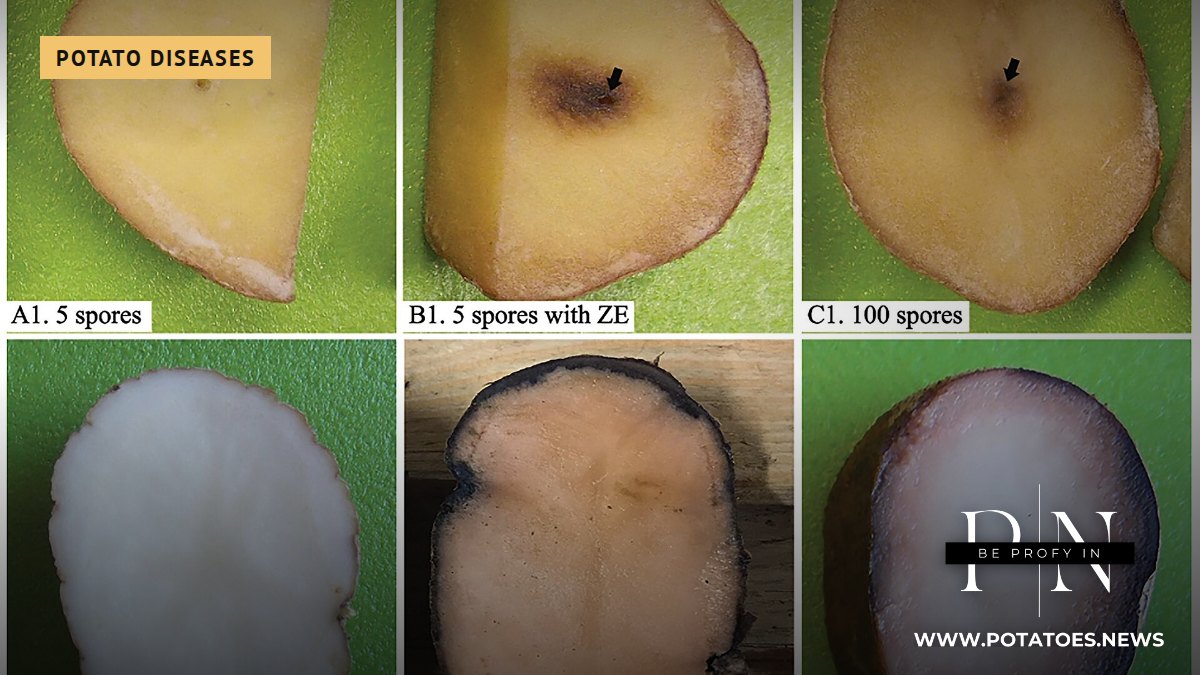
A two-season NEIKER screening of 336 potato genotypes found no full resistance to Fusarium dry rot, with mean lesion depth ranging from about 3 mm to over 38 mm.
The AfricaBlight Network, launched on 27 October in Naivasha, will start in Kenya, Rwanda, Ethiopia and Eritrea with coordinators, forecasting and farmer training.
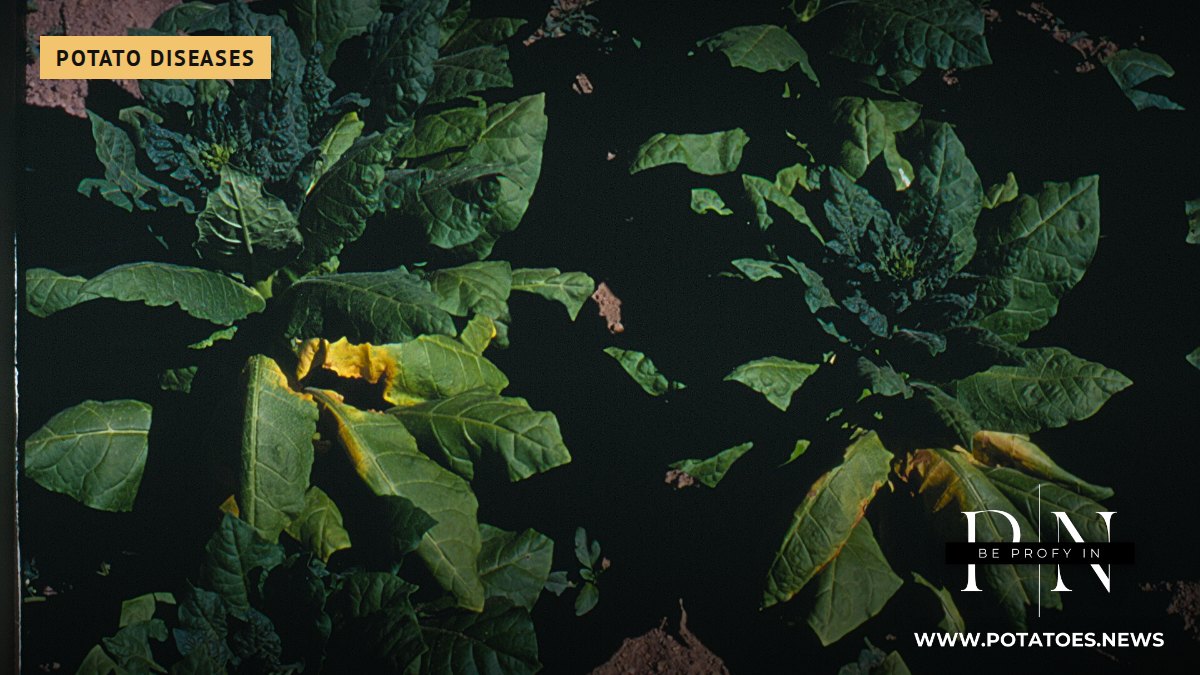
Verticillium dahliae and lesion nematodes act as partners in early dying; pre-plant soil assays and rotation discipline decide severity more than any in-season treatment.
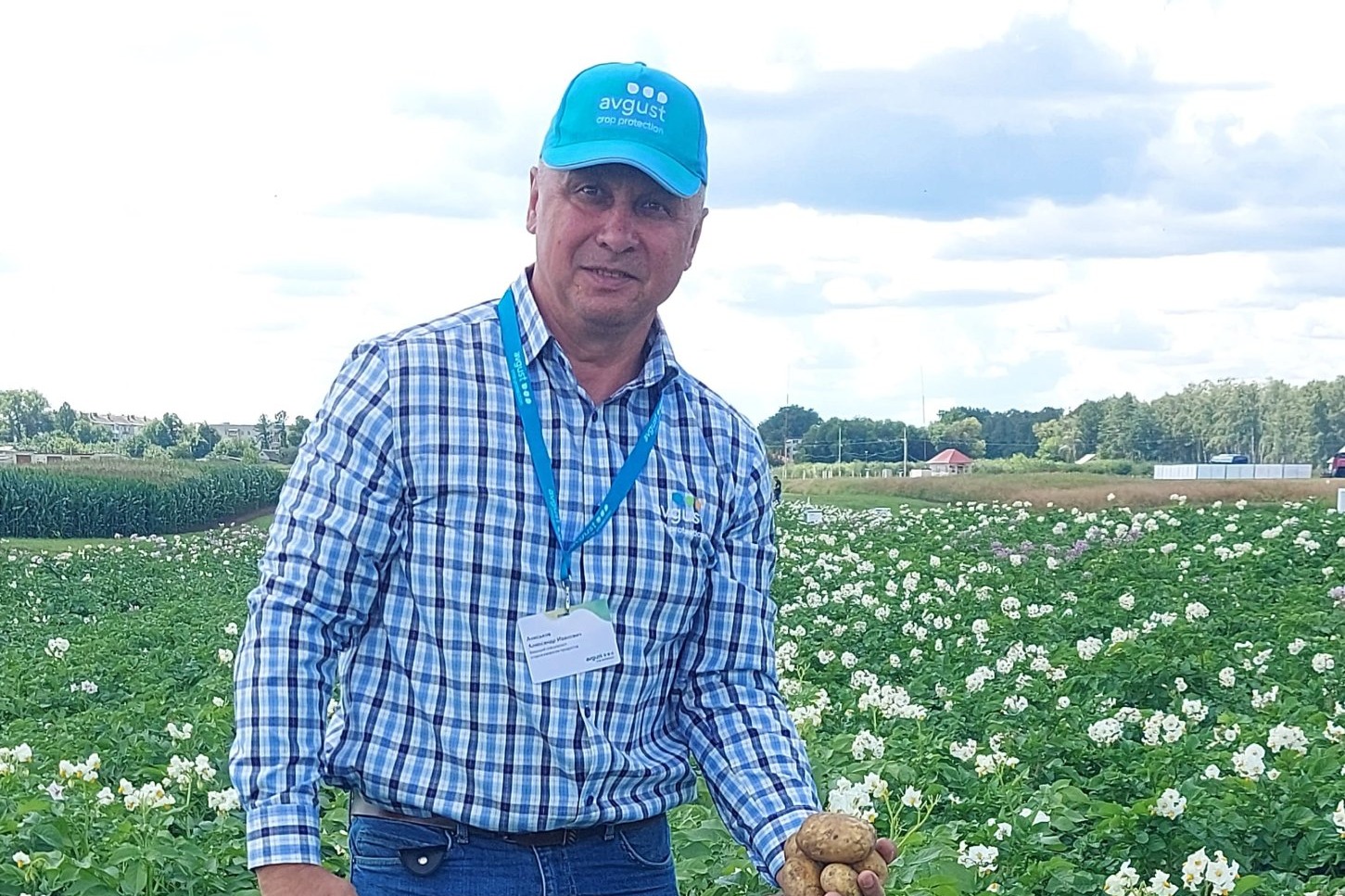
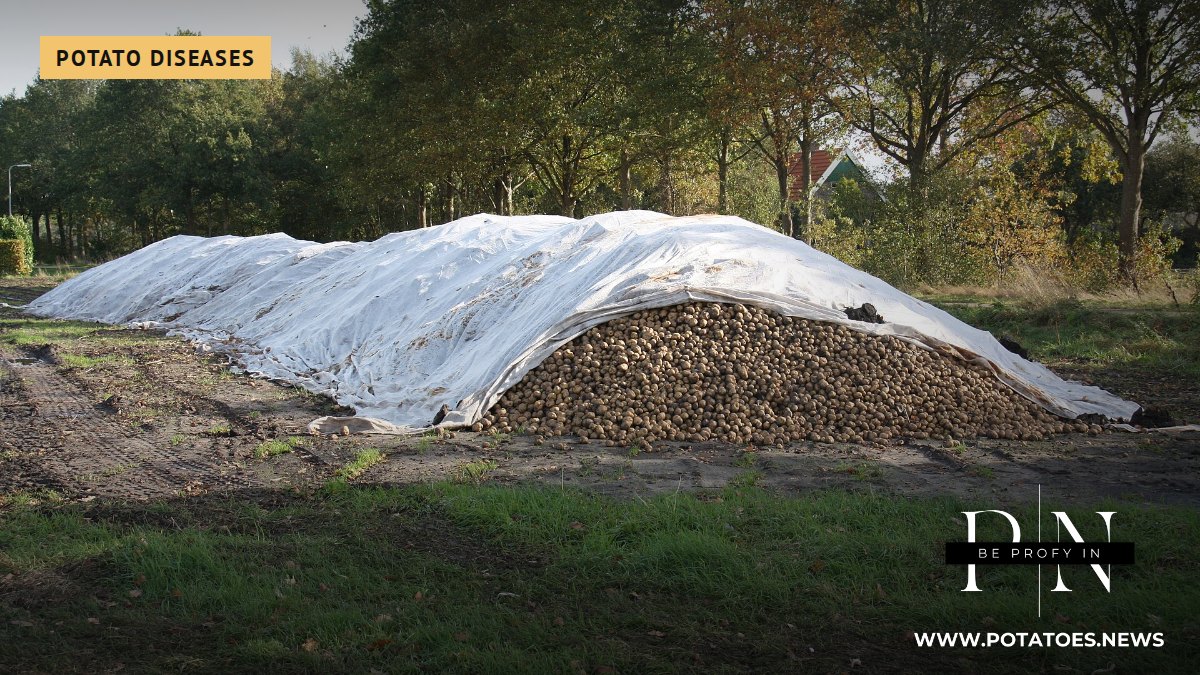
After a wet autumn in many Russian regions, Alexander Aniskov of Avgust names bacterial rots as the most dangerous threat to stored potatoes, followed by Pythium leak. He explains when tuber treatment at loading helps, the most…
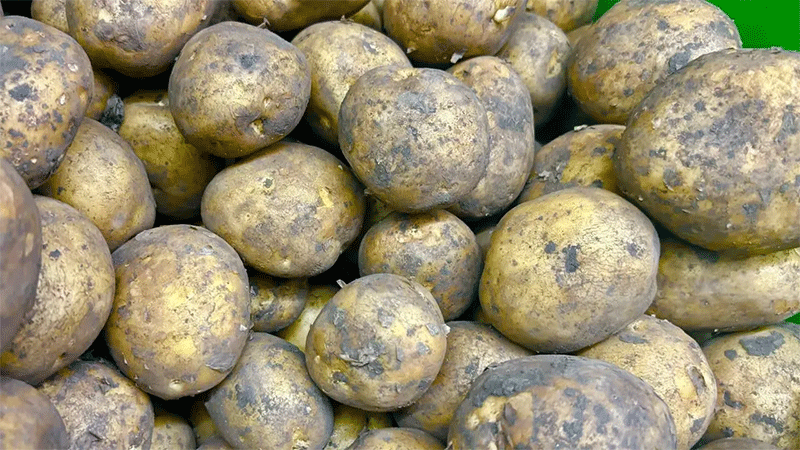
A wet autumn in many Russian regions means large quantities of potatoes are entering storage late, damp and damaged. In comments to Potatoes.News, Alexander Aniskov, head of the potato group in the product development department at JSC…
Dickeya can cut yields by 20–25% or more; seed buyers demand documented freedom, and Scotland and Northern Ireland apply zero tolerance in certification.
Egypt's long-running brown rot programme protects exports worth USD 537 million in 2025, as tighter EU rules require annual approval of production sites.
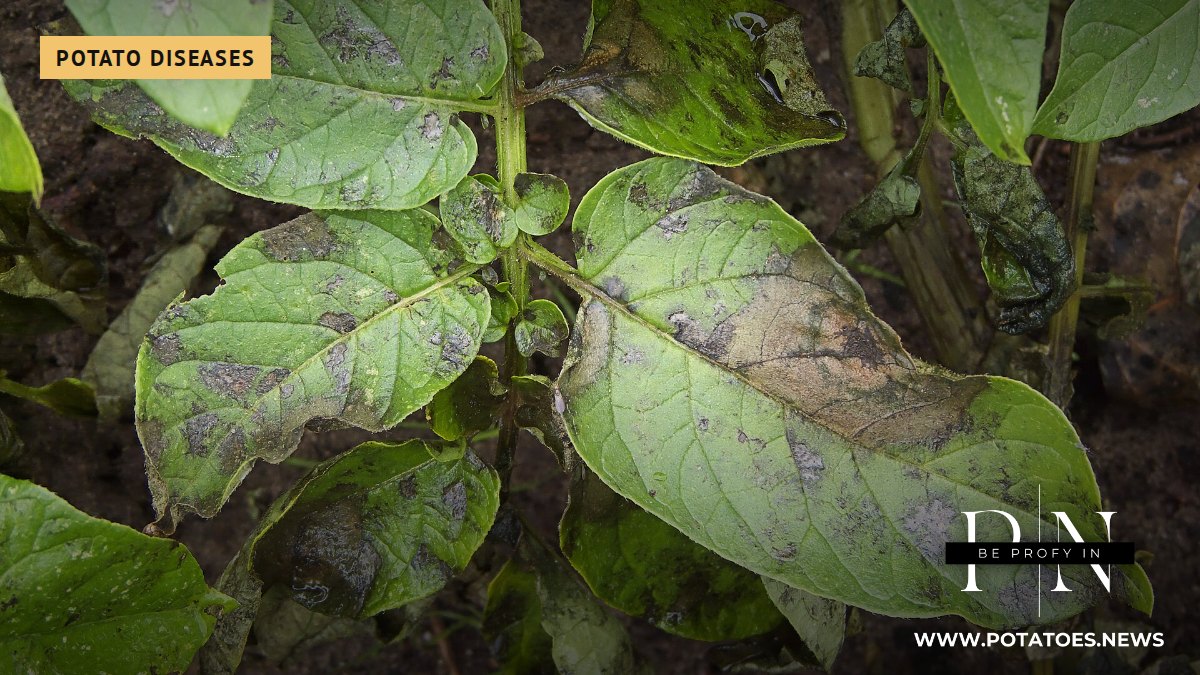
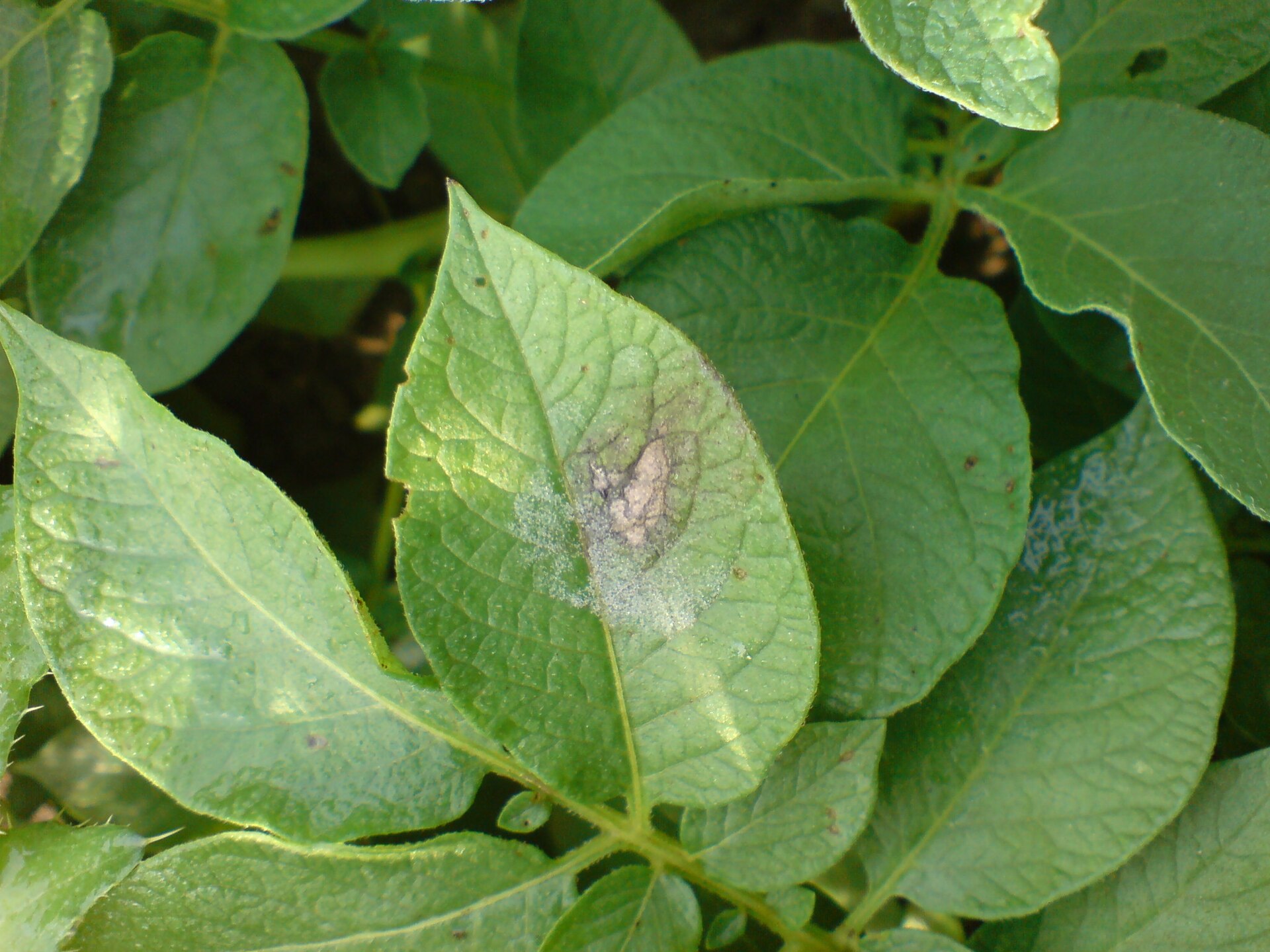
Late blight has always been the defining disease of European potato production, but the terms of engagement are shifting. According to a technical analysis published by Groupe Berkem, monitoring conducted during 2025 detected elevated frequencies of resistance…
When late blight conditions persist, shortening fungicide intervals and rotating modes of action remains the backbone of control — resistance management depends on it.
British researchers have started work on a four-year, £3.72 million project to prepare the country's farmers for two bacterial crop diseases that are already spreading through mainland Europe and attack potatoes, sugar beet, carrots and grapes. The…
About 98% of Norway's commercial potato area is sprayed against late blight, up to 16 times a season, as resistance and the EU_41 strain spread, NIBIO says.
Keeping soil near field capacity for 2–6 weeks after tuber initiation suppresses common scab; manure and undecomposed organic matter can make it worse.
Rosselkhoznadzor abolished the quarantine phytosanitary zone in the Yelizovsky district on 2 October after six years of annual testing found no Globodera rostochiensis on the 80-hectare surveyed area.
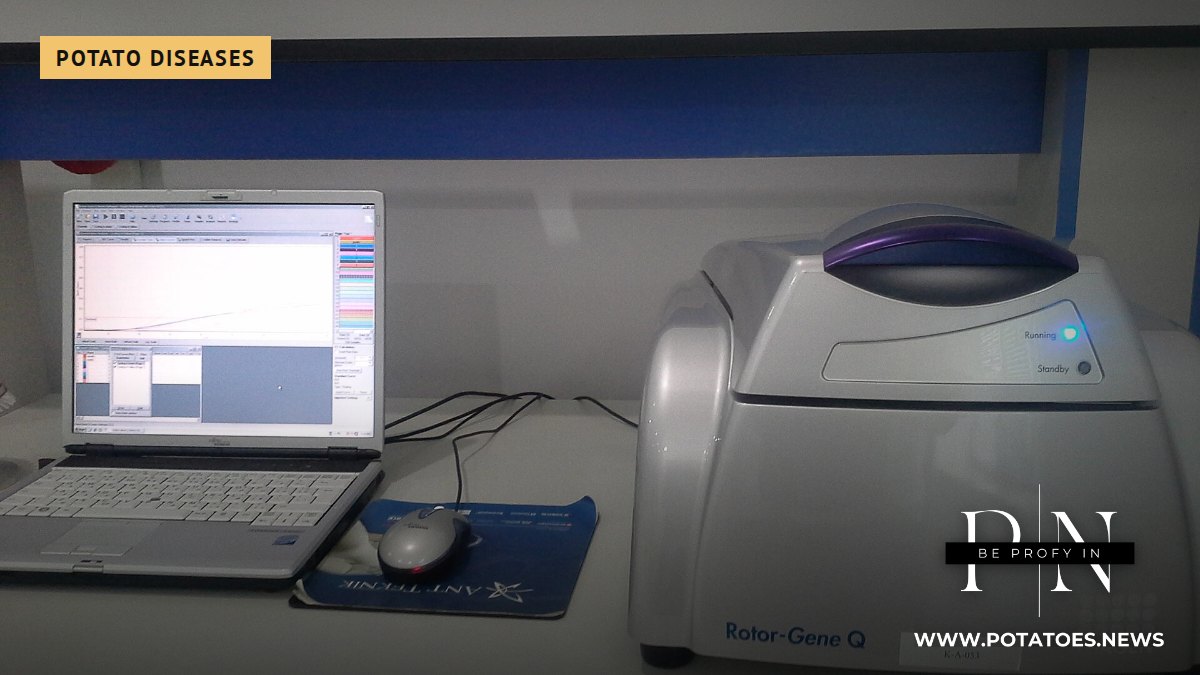
Switzerland tests dormant seed tubers for PVY by RT-qPCR, and Idaho is developing the same approach to replace its winter grow-out in Hawaii. Results come months sooner, but uneven virus in tubers limits agreement with older tests.
Greece's potato sector is at a critical juncture, with the deadly pathogen Synchytrium endobioticum—commonly known as potato chytrid—threatening the country's most prestigious Protected Geographical Indication (PGI) crop, the Kato Nevrokopi potato. The pathogen was first detected in…
AHDB, the University of Maine and the PNW handbook show why powdery scab and potato mop-top virus stay in soil for a decade or more, and why clean seed is the main defence.
Extension services in the US and the UK show why hot summers favour Dickeya blackleg over Pectobacterium, and why seed testing with 400 or more tubers per lot is the main defence.
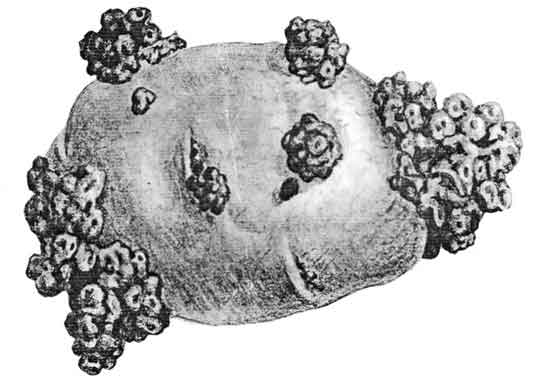
On 14 September 2026, the Rosselkhoznadzor Directorate for Oryol and Kursk Regions issued a warning to residents about a dangerous quarantine disease — potato wart. Specialists noted that the disease affects tubers, forming growths resembling cauliflower that eventually…
Trials in Kenya and Bangladesh show resistant varieties such as Kenya Mpya, Alouette and Sarpo Mira can hold late blight to very low levels without fungicide, while European growers still spray eight to 10 times a season.
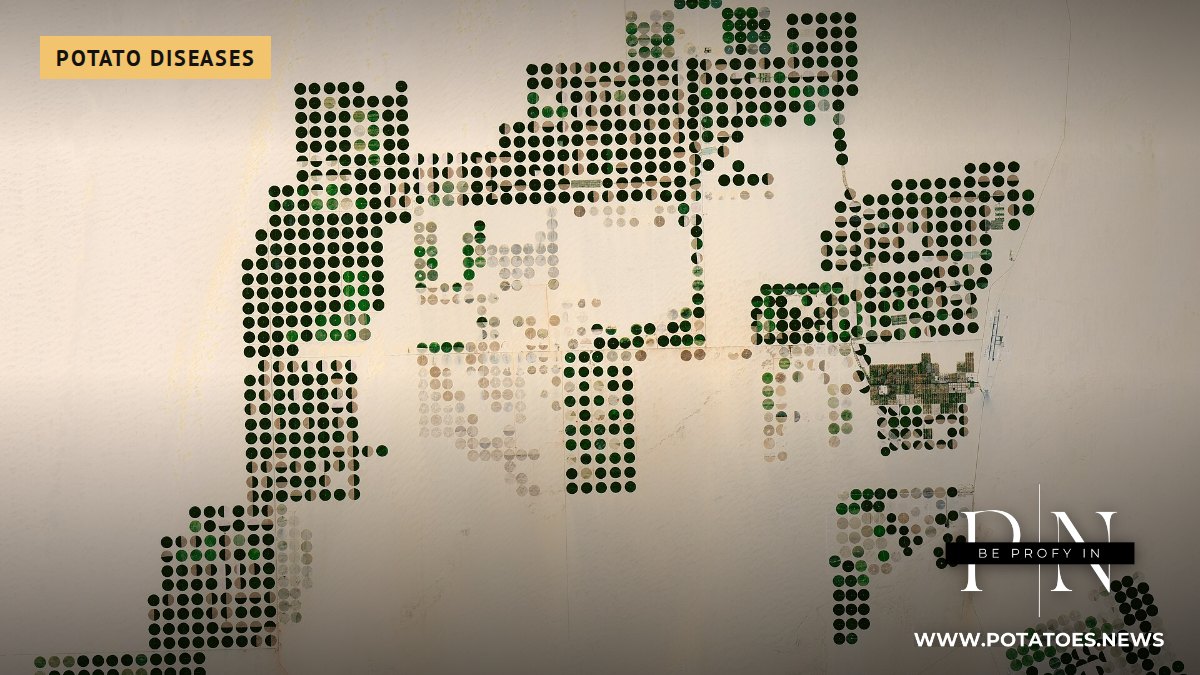
Egypt's Central Potato Laboratory tested 47 samples of 914 t of stored local seed for brown rot and 165 pivots on 16,714 feddans joined pest-free areas; Obour prices were EGP 13-19/kg.
A Syngenta agronomist tells farmer.pl that some Polish lots reach 17–18% starch while others from the same fields have 13–14%, and some fail the 13% minimum.
Agriculture and Agri-Food Canada has started a national survey of potato pink rot to monitor fungicide sensitivity. Late-August rain left wet spots in fields and may raise pink rot levels this harvest.
Recombinant strains of potato virus Y now make up more than 90% of US isolates. In Washington trials, infected plants produced 22% to 32% cracked tubers.
Britain replaced the 1956 Smith Period with the Hutton Criteria in 2017. Tested on over 2,000 outbreaks, the new rule needs only 6 hours of 90% humidity and gave a much better accuracy score.
Canada's new bacterial ring rot directive for seed potatoes takes effect on October 12, 2026. It keeps zero tolerance and sets sample sizes of 100 to 800 tubers by field size.
EU rules for potato brown rot require 200-tuber tests, destruction of infected lots and a four-year ban on host crops on infected fields. Egyptian ware imports face extra checks until 2029.
Research on drone and field cameras shows high accuracy for visible late blight. Early detection before spots appear is harder, and models trained in the lab lose accuracy in the field.
One of the most notable developments in the potato sector is the lifting of a ban on potato cultivation in the Central Saanich community of British Columbia, in place since 1982 due to the golden nematode. The…
Dry brown lesions with concentric rings on potato leaves point to Alternaria. Field diagnosis, differences from late blight, a control programme and the common mistakes.
From August 1 to 19, 2026, inspectors from Rosselkhoznadzor surveyed 452 hectares of potato plantings in the Staromainsky and Ulyanovsky districts of the Ulyanovsk region. The monitoring covered fields of two agricultural enterprises and also included inspections…
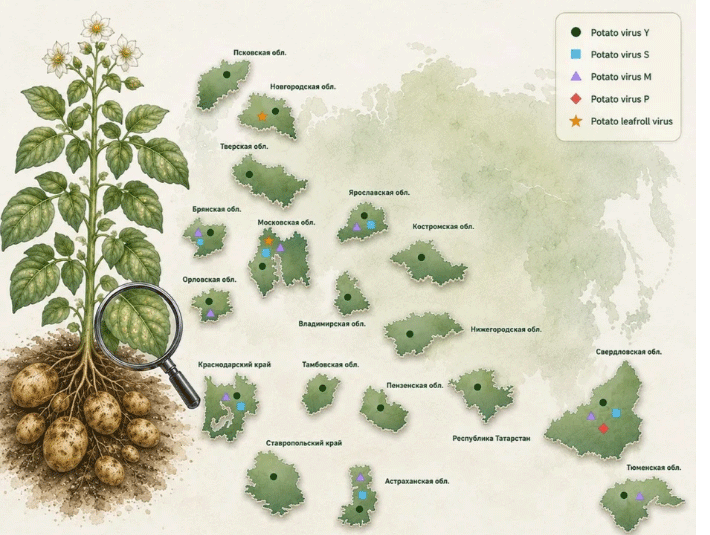
A sweeping genetic survey of potato viruses across 18 Russian regions has revealed an alarming reality: the most destructive pathogen – potato virus Y (PVY) – is not only ubiquitous but has also evolved into recombinant forms…
Effective August 1, 2026, China has implemented stringent new phytosanitary measures to prevent the introduction of Candidatus Liberibacter solanacearum (CLso), a quarantine bacterium linked to severe crop diseases including Zebra Chip in potatoes. Under Announcement No. 72 of…
Persistent heavy rains in Tatarstan have taken a severe toll on gardeners' potato crops, leaving many plots in distress. In the "Pribrezhny" gardening community, summer residents report dark spots appearing on leaves, followed by yellowing, drying out,…
Researchers at the Institute of Agrobiotechnologies (Komi Scientific Center, Russian Academy of Sciences) have been experimenting since 2021 with a novel method of treating seed potatoes using weak electromagnetic fields (extremely high-frequency radiation). Over five years, they…
In Kenya, potatoes are the second most important food crop after maize, sustaining roughly 800,000 smallholder farmers and a vast value chain of transporters, seed producers, and street vendors in a sector worth approximately $400 million. At…
Specialists from the Rosselkhoznadzor Administration for the Oryol and Kursk Regions have conducted inspections of potato plantings in the Kursk Region. The monitoring took place in private farms within the Sovetsky District, specifically in areas previously designated…
In the highlands of East Africa, potatoes are a lifeline for millions of smallholder farmers—but late blight disease has long been their greatest enemy. This aggressive pathogen can destroy an entire field in just weeks, forcing farmers…
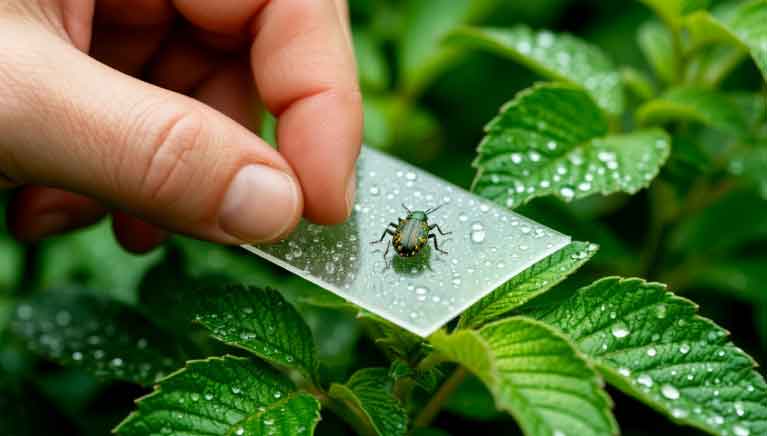
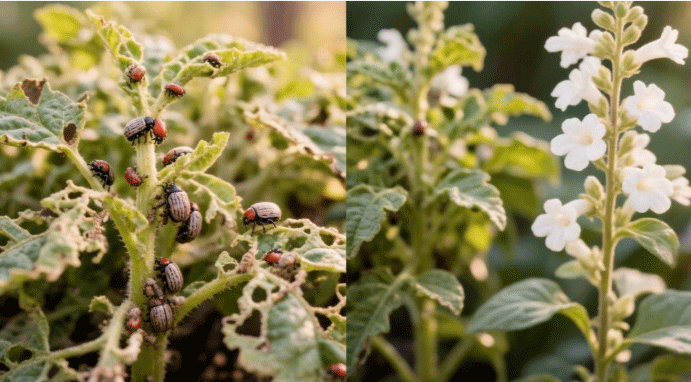
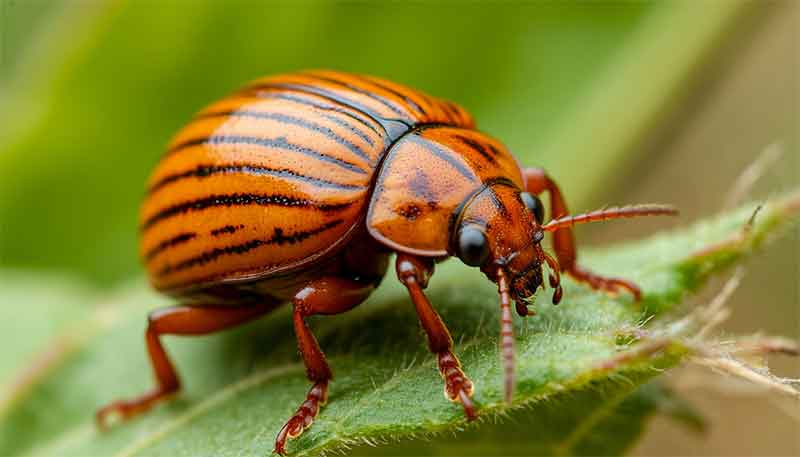
Gardeners have discovered a simple, chemical-free way to combat the dreaded Colorado potato beetle, one of the most destructive pests for potato crops. According to the respected publication "My Beautiful Dacha" (12+), the secret lies not in…
Marina Lazareva, a 10th-grade student at the Specialized Educational Scientific Center of Novosibirsk State University (SESC NSU), together with her scientific supervisors, has developed a test system that enables rapid detection of fungi from the genus Verticillium without the…
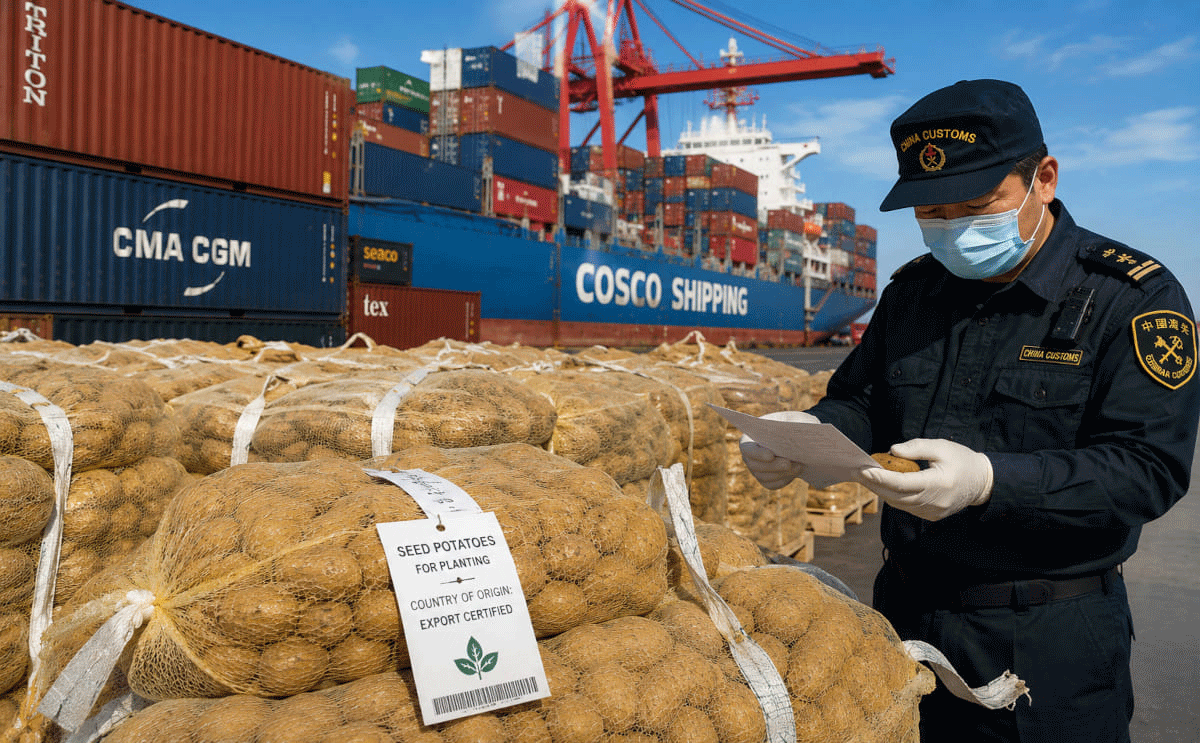
Russia’s North-Western Interregional Directorate of Rosselkhoznadzor has prevented the import of a large shipment of Egyptian potatoes weighing 302 tons into St. Petersburg. During an inspection at the Big Sea Port, quarantine officials discovered a dangerous pathogen.…
Potato growers and industry representatives in Tasmania report that the mop-top virus is having very little impact on local agriculture. The virus was first detected on a Tasmanian farm in July of the previous year, marking the…
Many gardeners wonder whether tomatoes and potatoes can be grown side by side. The clear answer is no, due to serious phytosanitary risks. Both crops belong to the nightshade family and are susceptible to the same diseases,…
In mid-April, inspectors from the Southern Interregional Directorate of Rosselkhoznadzor (Russia’s agricultural watchdog) inspected three shipments of potatoes with a total volume of 192.5 tons at the Novorossiysk sea checkpoint in the Kuban region. The cargo, which…
The recent announcement from the UK's Animal and Plant Health Agency (APHA) and the Department for Environment, Food and Rural Affairs (DEFRA) marks a rare and significant victory in global crop protection: the confirmed eradication of the…
For agricultural professionals, cultivar selection is a foundational business and agronomic decision. While marketing descriptions promise ideal performance, true resilience is proven in the field under variable conditions. As noted in the initial grower-centric assessment, key criteria…
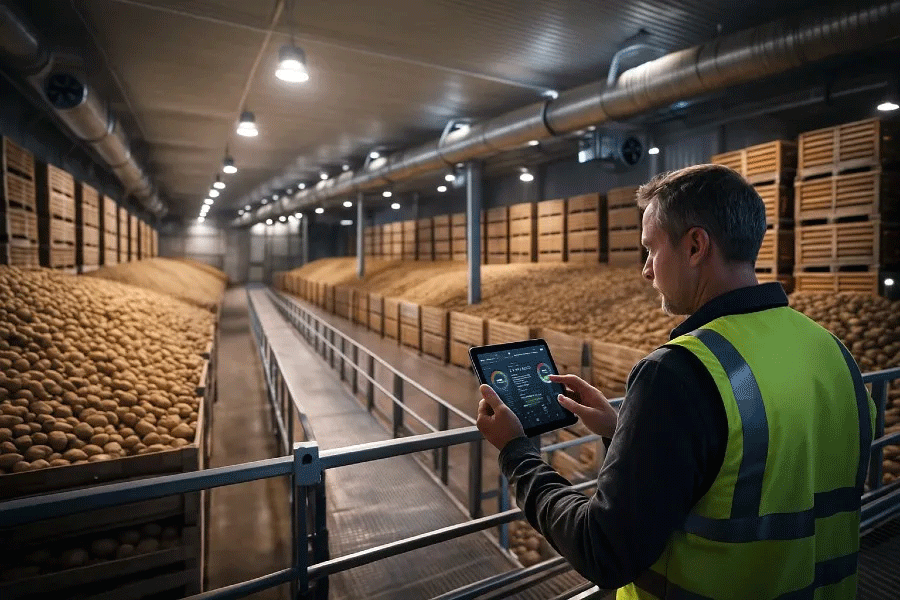
As the North American potato industry navigates the heart of the 2025 storage season, a crucial educational intervention is on the horizon. Co-hosted by Spud Smart magazine and the North American Potato Storage Organization (NAPSO), the "Mid-Storage Health Check: Diagnosing…
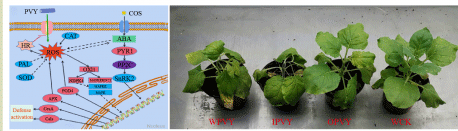
In a significant advancement for sustainable agriculture, researchers from Guizhou University have decoded how oligochitosan (COS), a biological plant immune inducer, activates defense mechanisms against Potato Virus Y (PVY). Their findings, published in Frontiers of Agricultural Science…
The government of Prince Edward Island (PEI) is taking a decisive and costly step in its long-running battle against potato wart, a quarantinable pest caused by the fungus Synchytrium endobioticum. With a dedicated fund of $10.5 million, the…