
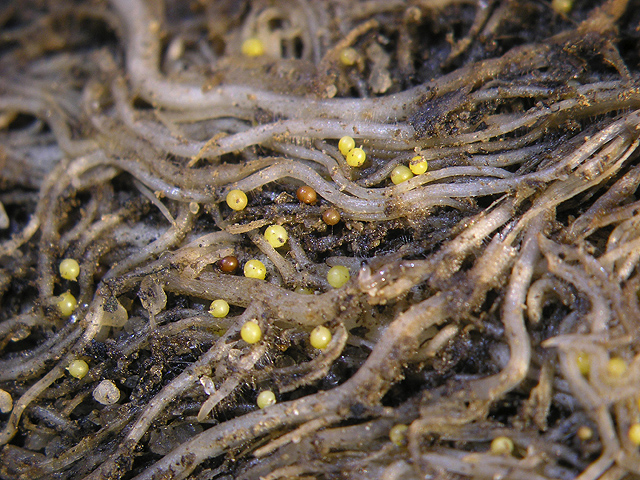
The Kamchatka Krai and Chukotka office of Russia’s agricultural watchdog Rosselkhoznadzor abolished a quarantine phytosanitary zone for the golden potato cyst nematode (Globodera rostochiensis) on a farmer’s plot in the Yelizovsky municipal district on 2 October 2026, the agency reported.
The zone had been in place for six years. Over that period, annual inspections and laboratory testing of soil samples across almost 80.2 hectares never confirmed the presence of the pest, a quarantine object in the Eurasian Economic Union. The farmer followed a crop rotation and planted nematode-resistant potato varieties throughout.
According to the agency, the combination of supervisory measures and agronomic practices achieved sustained absence of the quarantine organism; the latest survey again found no nematode, and restrictions were lifted.
Weekdays. Unsubscribe in one click.
The case offers a practical reference for regions where the pest’s quarantine status constrains potato production: six years of documented clean monitoring, combined with rotation and resistant varieties, were sufficient for the regulator to lift restrictions.
Source: Rosselkhoznadzor (fsvps.gov.ru), 5 October 2026; IA Kam 24, 6 October 2026.