Global: Dickeya Blackleg Puts Seed Certification Under Pressure in Europe
Dickeya can cut yields by 20–25% or more; seed buyers demand documented freedom, and Scotland and Northern Ireland apply zero tolerance in certification.
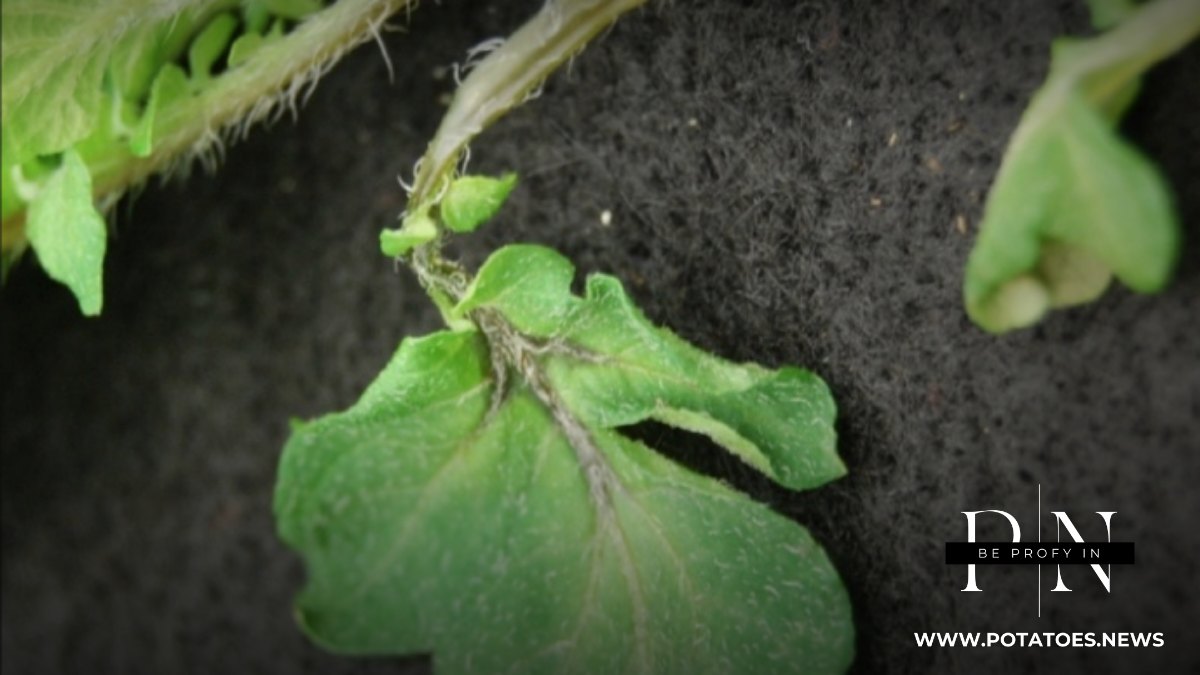
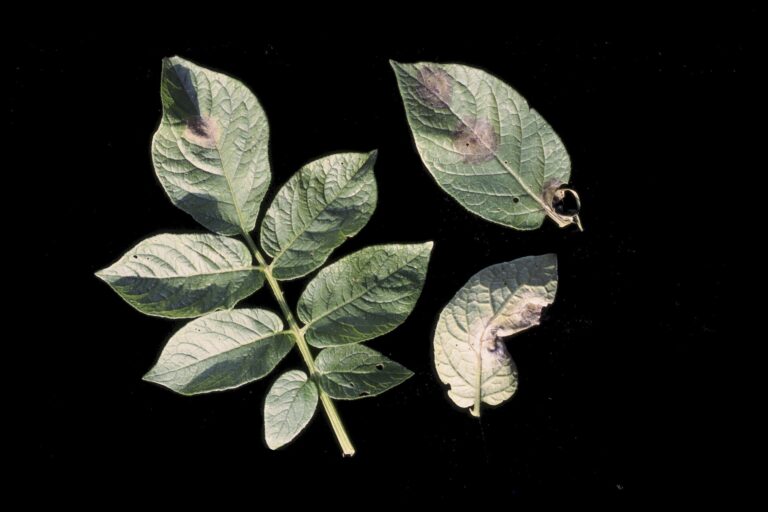
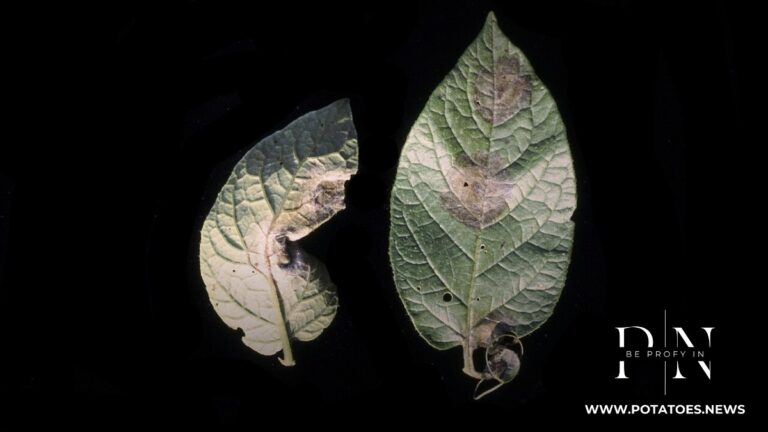
Dickeya blackleg has become the defining seed-health issue of European potato production: yield losses of 20–25% or more have been reported in Europe, symptoms tend to develop above 25°C, and Scotland and Northern Ireland apply zero tolerance in seed certification.
Unlike its older relative Pectobacterium, Dickeya causes severe damage at low contamination levels and spreads efficiently through seed-cutting and handling, making clean starting material the only reliable defense.
Seed buyers have absorbed the lesson: documented freedom from Dickeya, verified by laboratory testing rather than field inspection alone, is now a standard commercial requirement in professional contracts.
Weekdays. Unsubscribe in one click.
Control on farm is hygiene discipline: sanitized cutting equipment, careful grading to remove suspect tubers, and irrigation management that avoids the waterlogged conditions in which blackleg explodes.
Researchers continue working on resistance, but tolerant varieties remain scarce; for the foreseeable future, the sector’s protection rests on certified clean seed and rigorous handling from mini-tuber to field.
Prevention & control · Editorial note
Dickeya blackleg (Dickeya spp.): what growers can do
- Prevention: plant certified seed with documented freedom from Dickeya; sanitize cutting and handling equipment; avoid waterlogged fields.
- Monitoring: inspect crops during warm periods — damage peaks above 25°C; send suspect lots for laboratory testing.
- Chemical protection in your country: no curative products exist; copper-based products offer at most limited suppression — check the national register of your country.
- Resistance management: tolerant varieties are not yet widely available; protection rests on clean seed and hygiene.
This note is provided by the potatoes.news editorial team for information only. It is not a recommendation of any company and is not mandatory. Use only plant protection products authorised in your country and follow the label. Product names and registrations differ between countries; consult a local agronomist.
Sources: Spud Smart, 2016; DAERA Northern Ireland; Toth et al., Plant Pathology, 2011