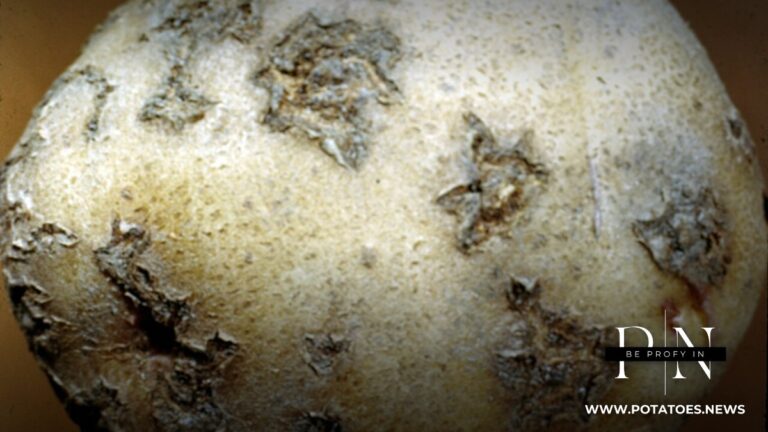
China Suspends Seed Potato Imports from Affected Countries Over Candidatus Liberibacter solanacearum Concerns
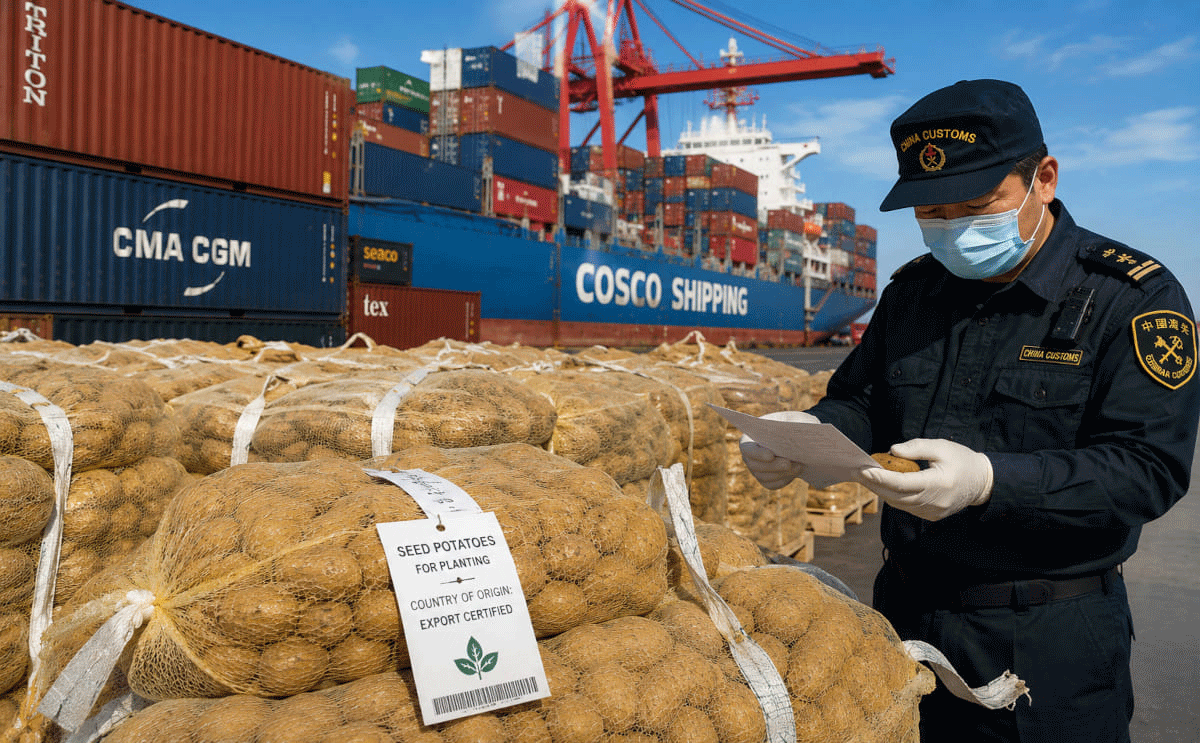
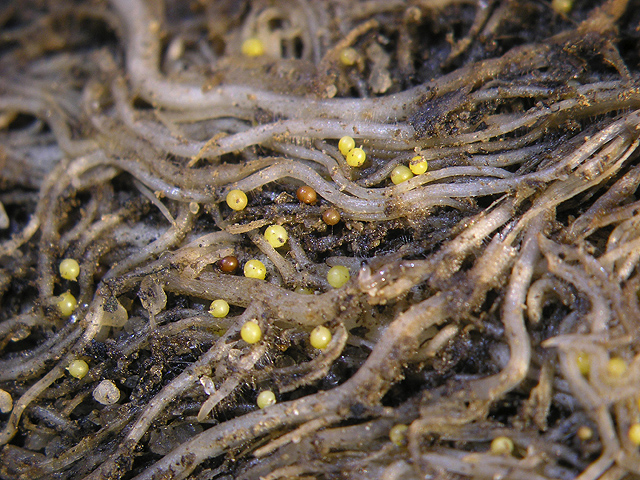
Effective August 1, 2026, China has implemented stringent new phytosanitary measures to prevent the introduction of Candidatus Liberibacter solanacearum (CLso), a quarantine bacterium linked to severe crop diseases including Zebra Chip in potatoes. Under Announcement No. 72 of 2026, jointly issued by the General Administration of Customs of China (GACC) and the Ministry of Agriculture and Rural Affairs (MARA), import approvals for seed potatoes (Solanum tuberosum) and other potato propagative materials from countries and regions where CLso has been officially reported are now suspended. The decision follows repeated interceptions of the pathogen in imported planting materials and affects a broad list of nations including the United States, Canada, Mexico, numerous European countries, Israel, Türkiye, South Korea, New Zealand, and parts of South and Central America. While the suspension is not permanent, the list will be updated based on new outbreak reports and interception data, signalling China’s commitment to safeguarding its agricultural and ecological security.
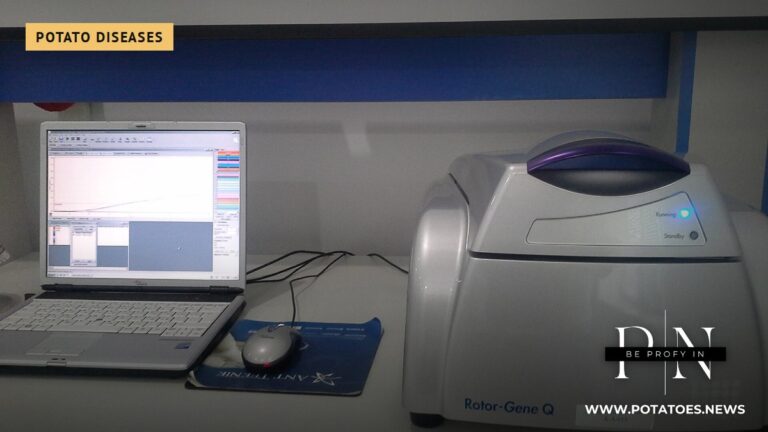
The new rules differentiate between seed potatoes and other vegetable seeds. For tomatoes, peppers, carrots, celery, coriander, and parsley from Italy and South Korea, imports are also suspended unless exporting countries can demonstrate CLso-free areas. Shipments from other affected regions may continue subject to mandatory pre-export PCR testing according to ISPM 27 Diagnostic Protocol DP21, with specific phytosanitary declarations required on certificates. Chinese Customs will conduct rigorous inspections upon arrival, and any consignments failing to meet documentation requirements or testing positive for CLso will be returned or destroyed. Additionally, post-entry quarantine trials and surveillance will be strengthened. For global seed potato exporters, these measures underscore the critical importance of certified disease-free production, molecular diagnostics, traceability, and robust phytosanitary systems to maintain market access in an increasingly biosecurity-conscious global trade environment.