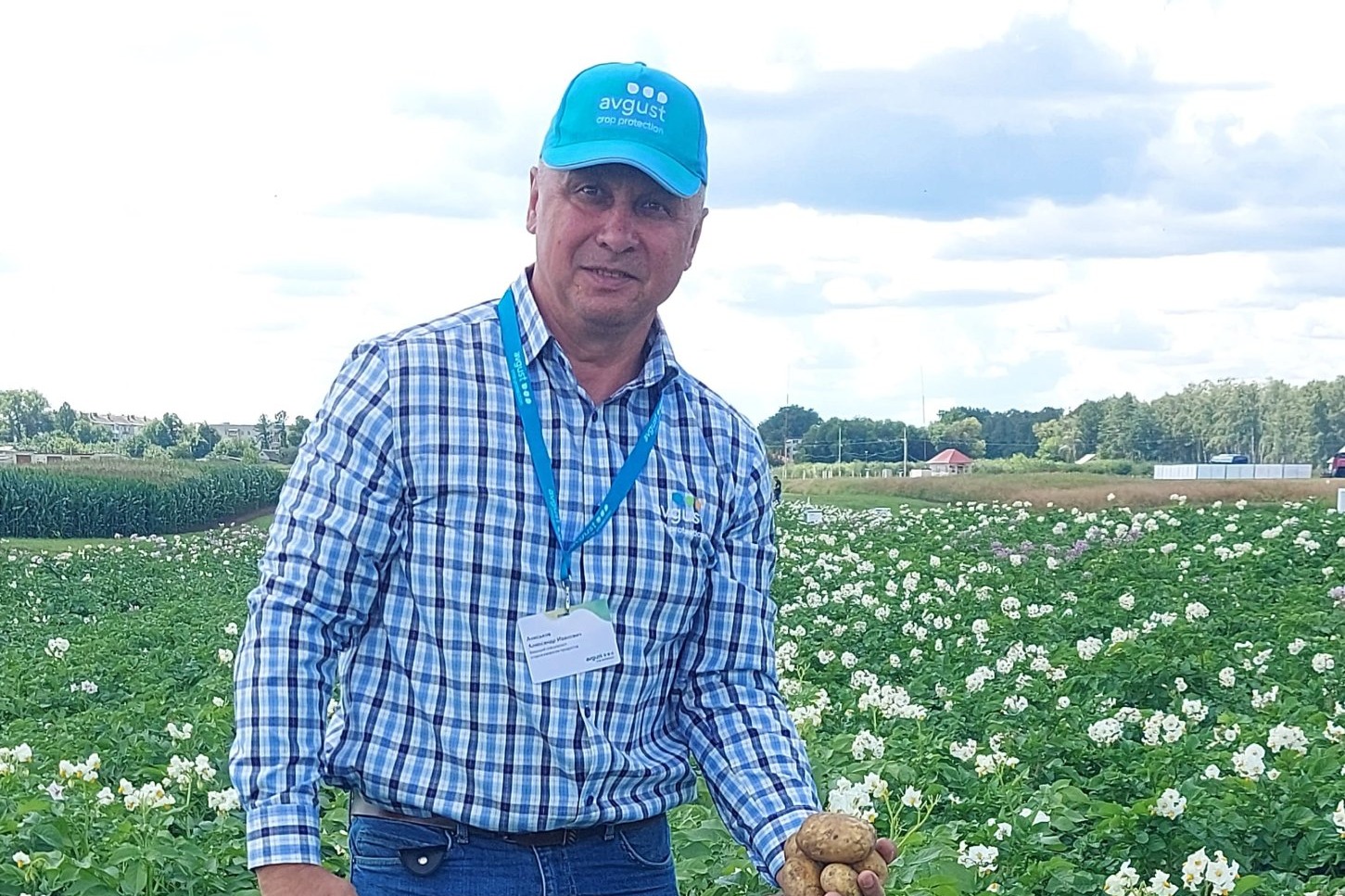
A wet autumn in many Russian regions means a lot of potatoes are going into store late, damp and damaged. Alexander Aniskov, head of the potato group in the product development department at Avgust, told Potatoes.News that bacterial rots are the most dangerous threat this winter: they can develop explosively in storage and destroy an entire lot.
The context is a difficult harvest. In Sverdlovsk Oblast, potatoes were lost on 2,829 ha out of 12,854 ha planned for 2026, and almost 152,000 tonnes had been harvested by 19 October against 254,000 tonnes a year earlier, Novy Den reported citing the regional agriculture ministry. Nationally, Alexei Krasilnikov, executive director of the Potato Union, said on 18 October that about a quarter of the crop still had to be harvested.
Four threats in the store
Aniskov lists the main diseases he expects in storage after a wet harvest:
Weekdays. Unsubscribe in one click.
- Bacterial rots (soft rot, ring rot). Damaged skin, open lenticels and a wet tuber surface open the way for bacteria, and infection can start in the field. Risk regions: the North-West, the Urals, Siberia and Central Russia, where soils were waterlogged.
- Pythium leak. Mechanical injuries plus waterlogged soil; the pathogen quickly colonises damaged tissue. It is a risk in all regions with a rainy harvest, especially on heavy soils.
- Late blight on tubers. Missed sprays at the end of the season and rain before harvest; infection can reach tubers from the haulm and the soil. Risk remains higher on farms where spray intervals were too long or protection began only after clear symptoms appeared in the field. Regions: the North-West, Centre, Urals and Siberia.
- Grey mould (Botrytis). Dense plantings, excess nitrogen and high humidity; tuber infection is usually secondary, through wounds. A risk in all wet regions, especially with late harvesting.
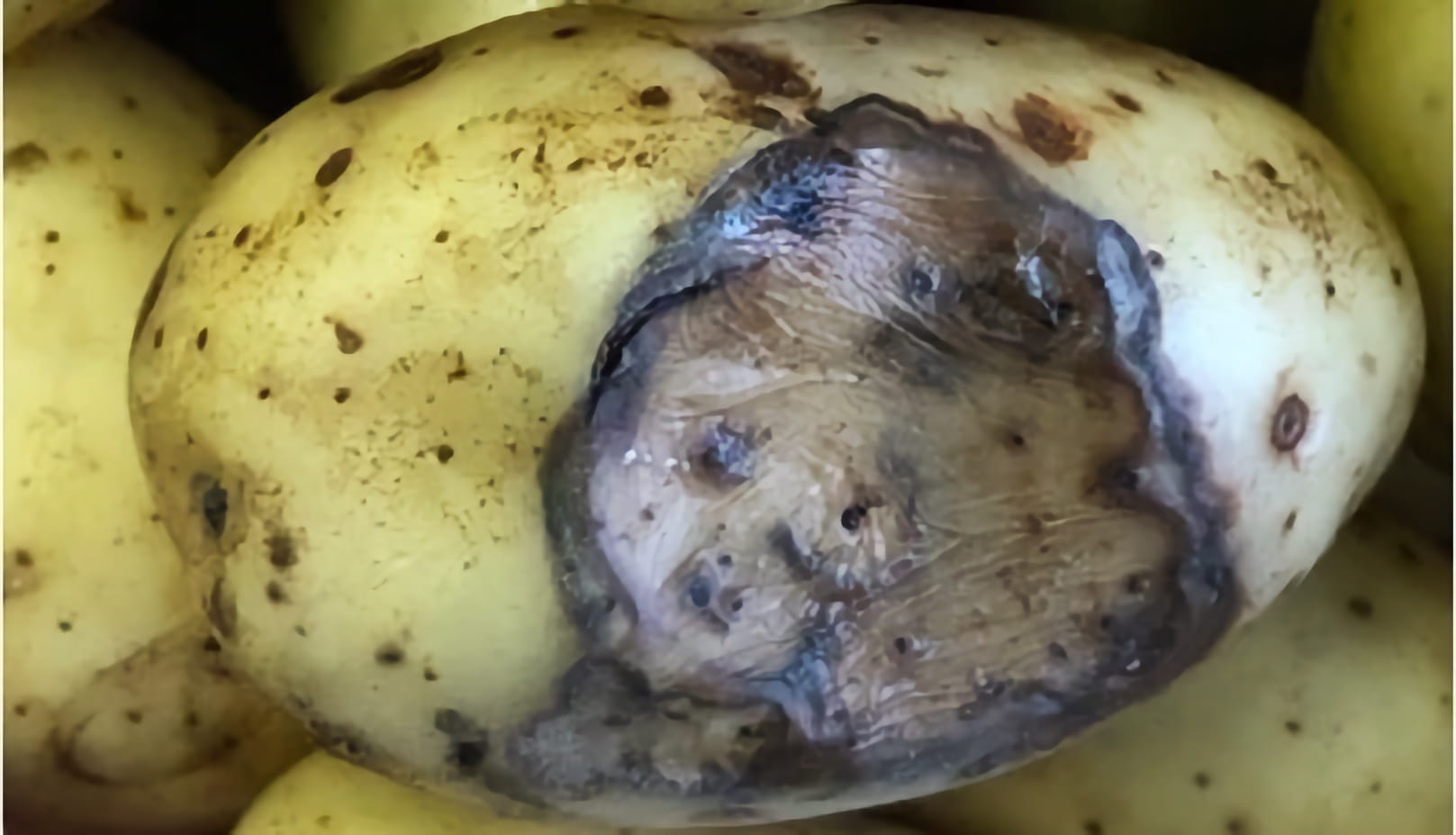
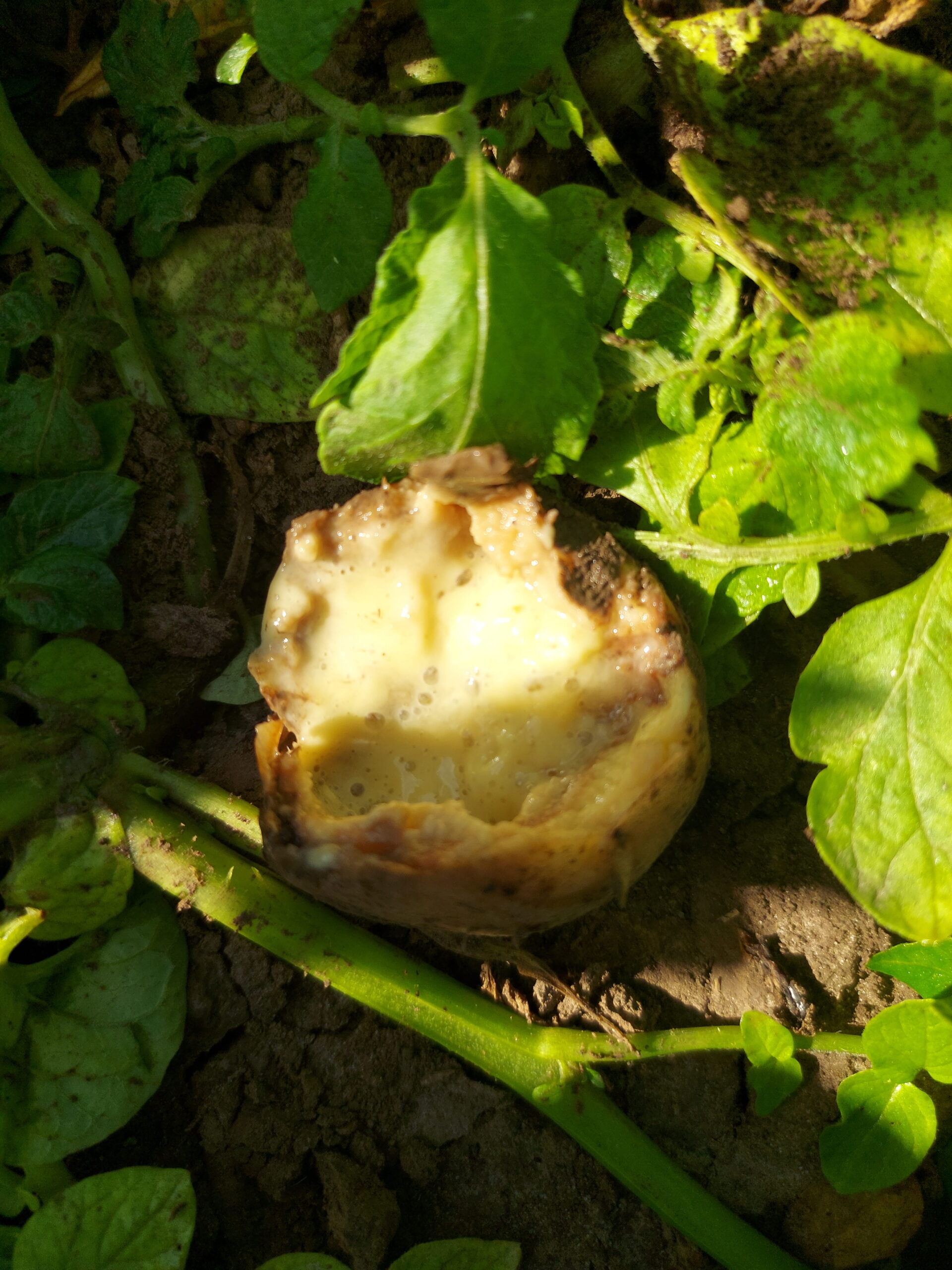
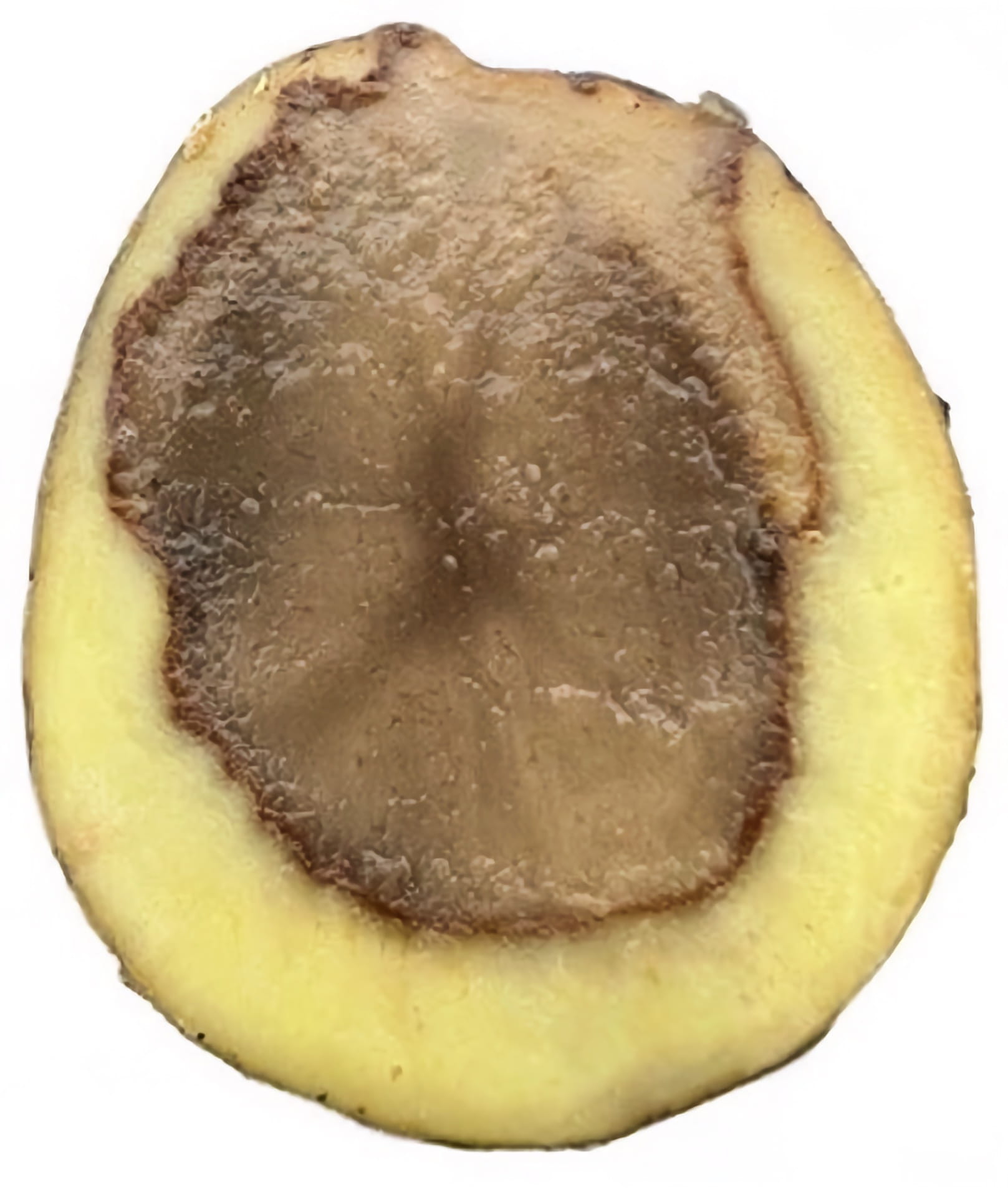
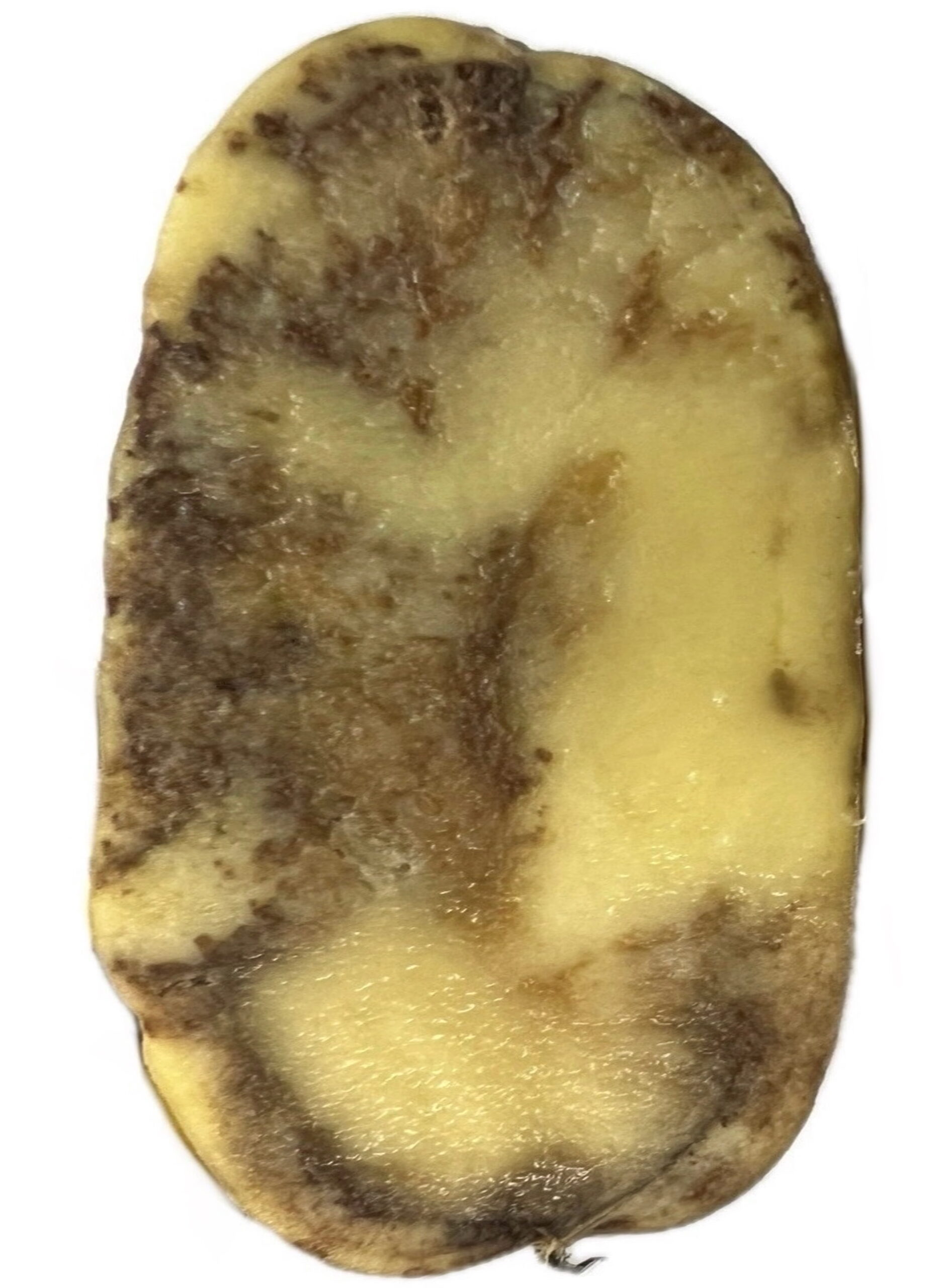
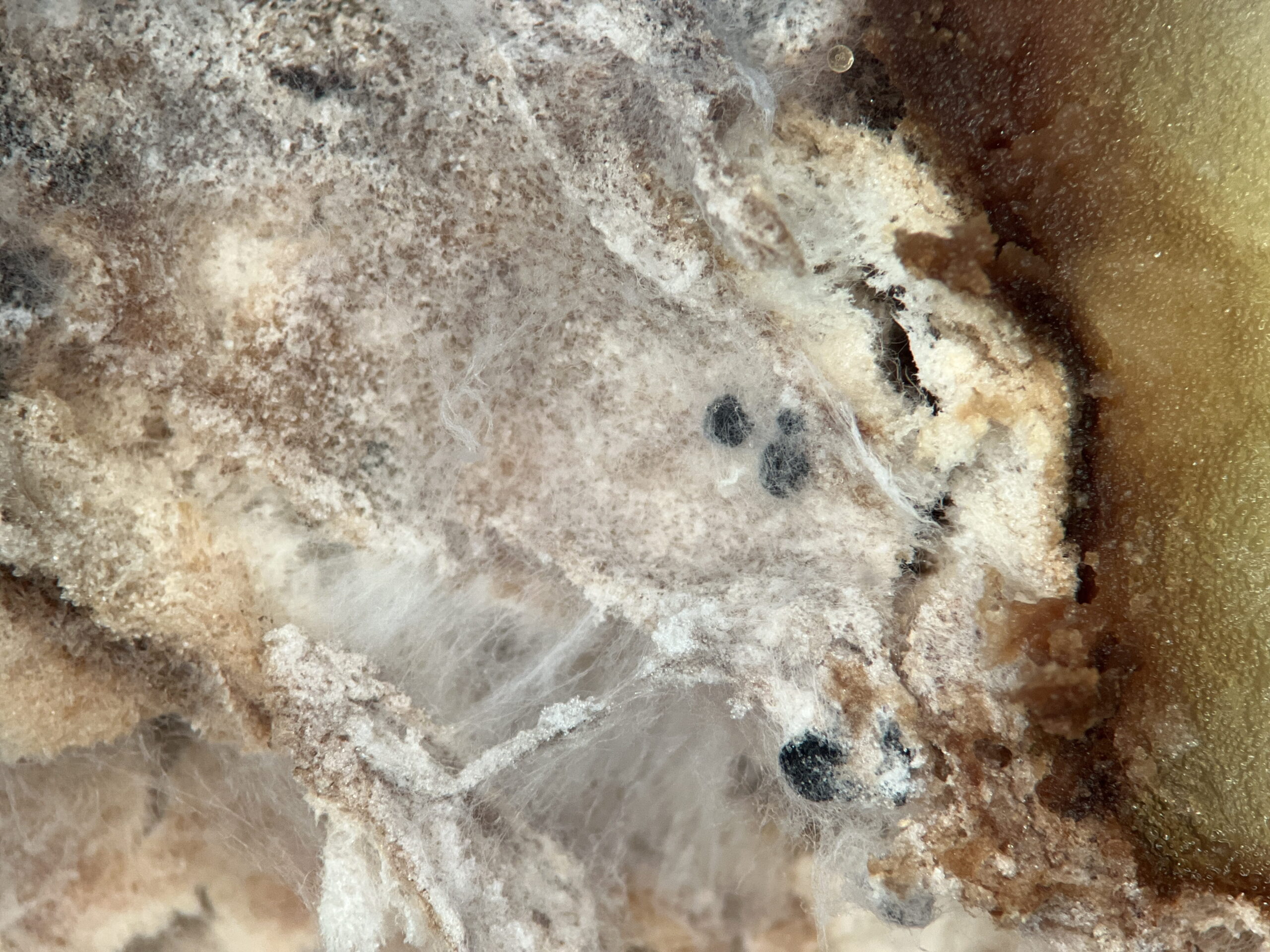
In Aniskov’s assessment, bacterial rots are the most dangerous and Pythium leak is second; late blight and grey mould are more often patchy but can also become serious under favourable conditions. He expects the highest risk in the North-West, the Urals and Siberia, and in some regions of Central Russia, but stresses that the situation may differ even between neighbouring farms, depending on the condition of each lot, tuber damage, the quality of grading and storage technology.
For the next season, he points to seed lot checks before planting, timely protection during the growing season with intervals adjusted to weather and disease pressure (shortened to 5–7 days for late blight in wet years), and rotation of active ingredients with different modes of action to avoid resistance.
Treating tubers at loading: insurance, not a cure
According to Aniskov, treating tubers when loading the store makes sense for healthy seed lots with minor damage, as insurance against secondary infection. It is useless if tubers are already affected by bacterial rot, are badly injured or were lifted from waterlogged soil with signs of wet rot. “In this case chemistry will not stop the process,” he said; what is needed is grading, removal of rotting spots, active ventilation and a curing period. His conclusion: treatment is an additional tool, not a panacea, and does not replace proper curing and control of storage conditions.
Five common mistakes with wet potatoes
- Shortening or skipping curing. Tubers go straight into cold storage or are loaded without drying. Aniskov recommends active ventilation, 12–16°C and 85–90% humidity until wounds have fully healed, which sometimes takes 2–3 weeks rather than 10 days.
- Poor grading. Tubers with signs of rot are left in the hope that they will keep; wet potatoes need especially careful sorting.
- Insufficient ventilation. Saving on ventilation is, in his words, the main cause of mass rotting; air exchange must be enough to remove moisture from the pile.
- Sudden cooling. Temperature should not be dropped straight to 2–4°C, which causes stress and condensation; cooling should be gradual and only after curing.
- One regime for all lots. Seed, ware and processing potatoes need different temperatures and humidity.
Nematodes: a growing problem
Aniskov calls the potato rot nematode (Ditylenchus destructor) a very significant problem whose range expands every year, including through seed lots from infested fields. For this pest chemical control is very important, but only in combination with seed checks and rotation; he recommends crop rotation, green manures, checking seed lots before planting and the use of nematicides registered for potatoes.
For cyst nematodes, the golden (Globodera rostochiensis) and pale (Globodera pallida), the priorities are resistant varieties, crop rotation and sanitary measures; nematicides are only an additional tool and only if registered for potatoes against the specific species. Aniskov stresses that golden and pale potato cyst nematodes are quarantine organisms: their detection requires immediate phytosanitary measures even if losses are still small, and the build-up of cysts in the soil makes a field unsuitable for potatoes for years.
What this means for farms
- Grade first, treat second: with wet, damaged potatoes, sorting out rotting tubers, curing and ventilation matter more than any treatment at loading.
- Give curing enough time: plan for up to 2–3 weeks with active ventilation and cool gradually only afterwards; separate regimes for seed, ware and processing lots.
- Check seed before planting: seed lot testing is the first line of defence against bacterial rots and rot nematode in 2027.
These are general practices; agree storage regimes and any treatments with your agronomist and use only products registered for potatoes.
Sources: written comment by Alexander Aniskov (Avgust) to Potatoes.News, 20.10.2026; Novy Den (19.10.2026) newdaynews.ru; Rossiyskaya Gazeta (18.10.2026) rg.ru.