Global: PVY-Infected Plants Gave 22–32% Cracked Tubers as Recombinant Strains Took Over
Recombinant strains of potato virus Y now make up more than 90% of US isolates. In Washington trials, infected plants produced 22% to 32% cracked tubers.
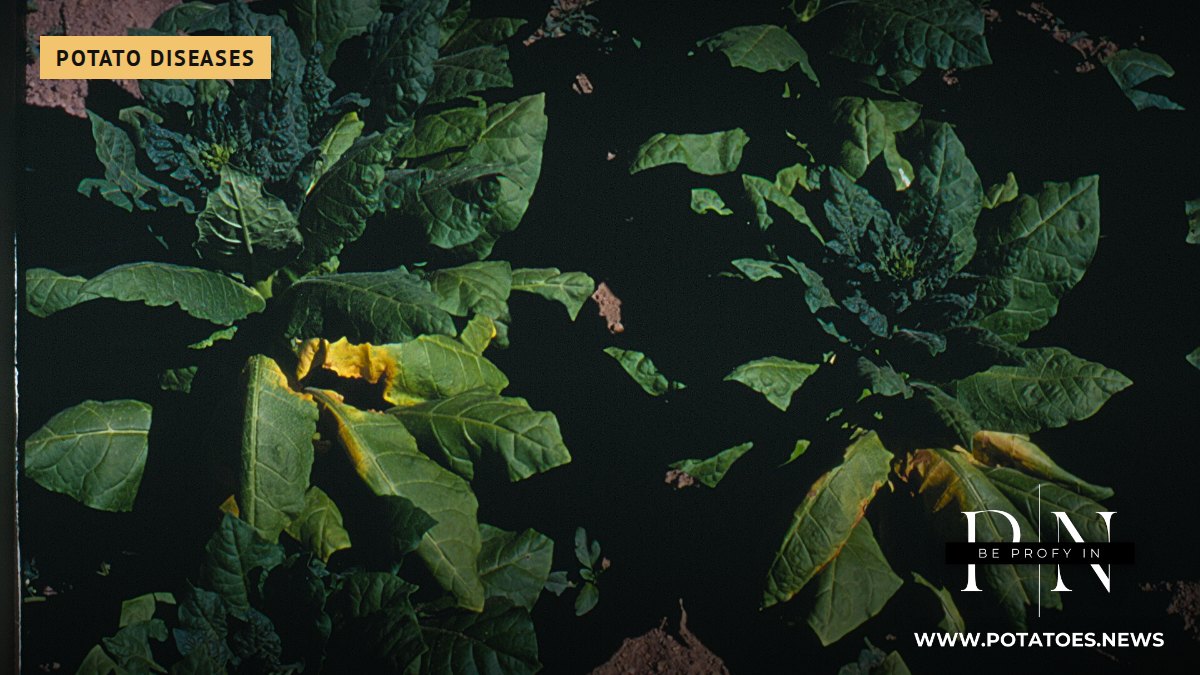
Potato virus Y (PVY) has changed. For many years the ordinary strain, PVYO, was the main one in North America. Today recombinant strains, mainly PVYN-Wi and PVYNTN, dominate. According to a University of Idaho report, these two strains made up more than 90% of all PVY isolates, while PVYO, dominant until 2012, had virtually disappeared. Plant virologist Alexander Karasev calls PVY “the main cause for rejection of seed potato lots” in the United States.
A field study shows what this means for tuber quality. Researchers C. A. Benedict, D. W. McMoran, D. A. Inglis and A. V. Karasev tested specialty potatoes in western Washington in 2012 and 2013. They published the results in the American Journal of Potato Research in 2015.
- In 2012, PVYN-Wi was found in about 56.4% of infected plants with symptoms, and PVYO in 39%.
- In 2013, PVYN-Wi reached 79.3% of symptomatic plants.
- Among plants without visible symptoms, PVYN-Wi made up 69.5% of the strains found in 2012 and 100% in 2013.
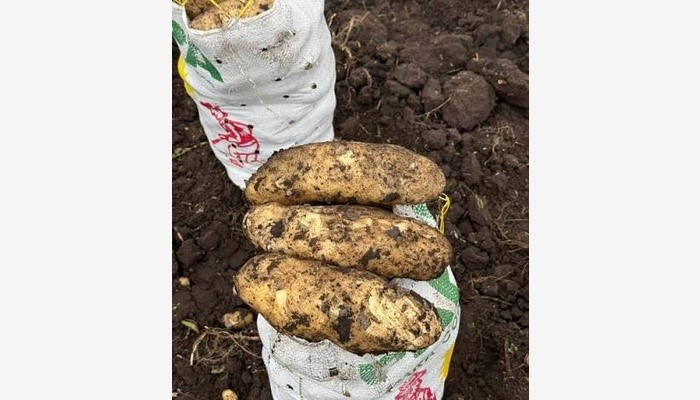
- Plants positive for PVY produced 22% to 32% cracked tubers. PVY-negative plants produced no cracked tubers.
The cracks were suberized, canoe-shaped cracks on the progeny tubers. The authors found “a clear association” between PVY infection and these cracks. They recommend regional PVY management, including changes in seed certification and new field practices.
Weekdays. Unsubscribe in one click.
The Idaho work also found differences in resistance. Three of four potato types tested resisted PVYO, but none resisted PVYN-Wi.
Why it matters
Recombinant strains often cause mild leaf symptoms. In the Washington study, many plants that looked healthy carried PVYN-Wi. This makes visual field inspection less reliable for seed certification. Laboratory tests of leaves or tubers become more important, and they must detect all strains.
The damage is not only lower yield. Cracked and necrotic tubers lose market value, especially in specialty and fresh markets. Resistance bred against the old PVYO strain may not protect against the new strains. Seed buyers should ask for post-harvest PVY test results and check which strains the test covers.
Prevention & control · Editorial note
Potato virus Y (PVY): what growers can do
- Prevention: plant certified seed with low virus levels; rogue infected plants early; remove volunteers and early haulm kill in seed crops.
- Monitoring: test seed lots and track aphid flights with traps or regional alerts.
- Chemical protection: no effective chemical control of the virus; prevention only. Insecticides act too slowly to stop non-persistent spread; mineral oil sprays can reduce it.
- Resistance management: if aphicides are used for other aphid problems, rotate IRAC groups.
This note is provided by the potatoes.news editorial team for information only. It is not a recommendation of any company and is not mandatory. Use only plant protection products authorised in your country and follow the label. Product names and registrations differ between countries; consult a local agronomist.
Photo: PVY symptoms on leaves (illustrative). Tashkoskip / Wikimedia Commons, CC BY-SA 4.0