UK: £3.72 Million Project Prepares Potato Growers for Bacterial Diseases Spreading Across Europe
British researchers have started work on a four-year, £3.72 million project to prepare the country’s farmers for two bacterial crop diseases that are already spreading through mainland Europe and attack potatoes, sugar beet, carrots and grapes. The E-Prep II project, in which the Countryside and Community Research Institute (CCRI) at the University of Gloucestershire leads the social science strand, aims to have tools, preparedness plans and management strategies in place before the pathogens reach the UK, FreshPlaza and the University of Gloucestershire report.
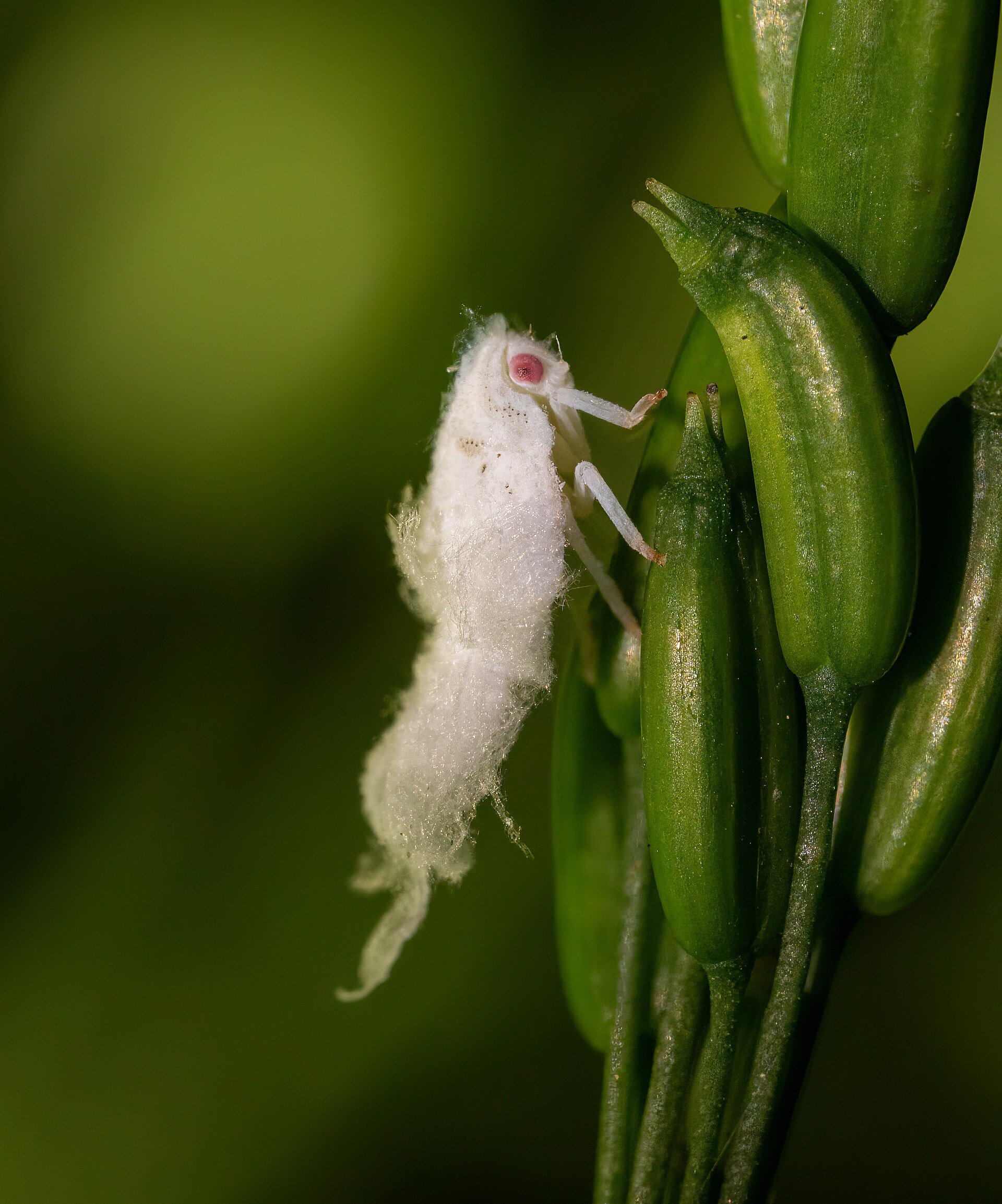
One of the diseases, syndrome basses richesses (SBR), has reached epidemic levels in potato and sugar beet crops in Germany, Switzerland and France and has recently spread to the Netherlands, according to the project team. The bacteria are carried by sap-feeding planthopper insects.
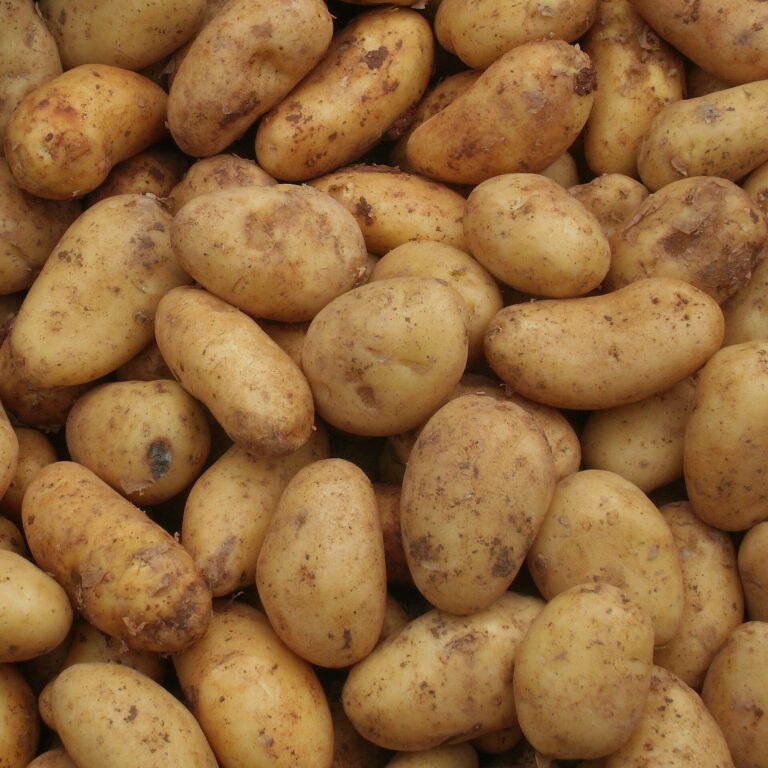
The economic damage is not hypothetical. First identified in sugar beet, SBR can reduce sugar yields by up to 25%. In potatoes it makes tubers rubbery and unfit for sale, and outbreaks have already forced processing plants to close on the continent, disrupting supply chains. Researchers warn that climate change could create conditions favourable for SBR to establish in Britain.
Weekdays. Unsubscribe in one click.
E-Prep II will interview farmers and crop experts about how they assess disease risk and make management decisions, and participants will work with a digital board game that shows how farming choices influence crop health and the spread of disease. The stated goal is the UK’s first co-designed preparedness strategy and action plans for farmers, developed jointly with plant, insect and disease specialists.
“This project comes at a crucial time for UK farming and the food industry. Across Europe, we’re already seeing the serious economic and agricultural impacts that these emerging crop diseases can have,” said Damian Maye, Professor of Agri-Food Studies and leader of the University’s contribution. He warned that outbreaks could push up food prices and threaten food security, and stressed the value of preparing before the diseases arrive.
“The lessons we learn will help transform how the UK approaches agricultural biosecurity, strengthening our ability to respond to future disease outbreaks before they become crises,” said Dr Julie Urquhart, who co-leads the University’s work. She pointed to the cooperation between farmers, businesses and policymakers as central to protecting food production and rural economies.
For seed and ware potato growers, SBR is a different order of threat than the fungal late blight the industry manages every season: there is no spray programme to copy, and the entry route is an insect vector rather than blight spores on the wind. How quickly the preparedness strategy converts into field-level advice on vector monitoring and rogueing will matter if planthoppers move north as the climate warms.
Sources: University of Gloucestershire; FreshPlaza; The Forester.