Kursk Region Warns of Devastating Potato Wart Disease as Golden Nematode Also Detected in 2026
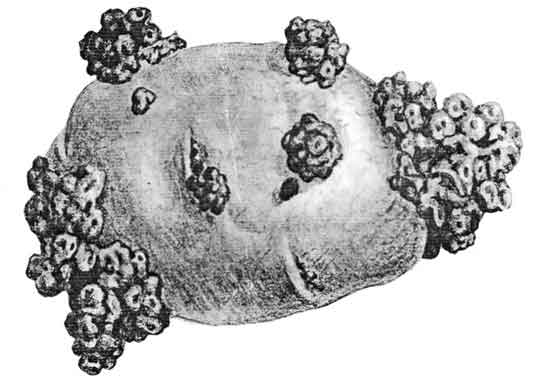
On 14 September 2026, the Rosselkhoznadzor Directorate for Oryol and Kursk Regions issued a warning to residents about a dangerous quarantine disease — potato wart. Specialists noted that the disease affects tubers, forming growths resembling cauliflower that eventually darken and begin to rot. The fungal spores remain viable in the soil for up to 30 years, making eradication extremely difficult. To prevent infection, experts recommend observing crop rotation and not growing potatoes in the same plot for more than three consecutive years.
The potato wart warning comes on top of another serious phytosanitary threat detected earlier in the year. In June 2026, the golden potato nematode — a microscopic worm posing a major risk to harvests — was identified in Sovetsky District of Kursk Oblast. The infection was confirmed through laboratory testing of 378 soil samples. Together, these two quarantine organisms represent a significant challenge for the region’s potato growers, who are also working toward a regional target of increasing potato production in agricultural organizations and farms to 30,000 tonnes by 2030, up from a baseline of 17,900 tonnes in 2024.