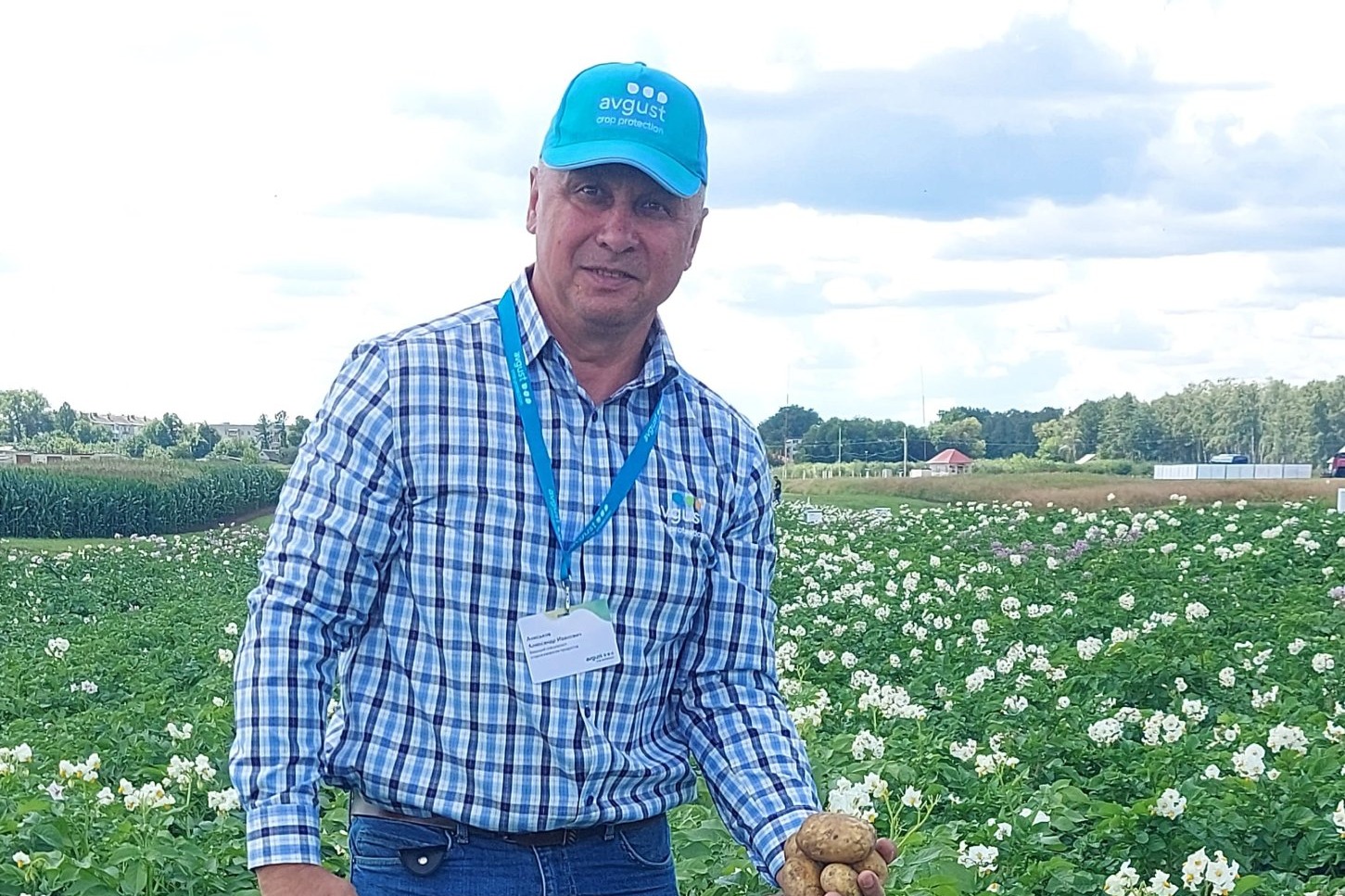
A wet autumn in many Russian regions means large quantities of potatoes are entering storage late, damp and damaged. In comments to Potatoes.News, Alexander Aniskov, head of the potato group in the product development department at JSC Firm Avgust, identified bacterial rots as this winter's main threat: they can spread rapidly through a store and cause the complete loss of a batch.
Harvest has been difficult. In Sverdlovsk Region, potatoes were lost on 2829 ha of the 12 854 ha planned for 2026; almost 152 thousand tonnes had been harvested by 19 October, compared with 254 thousand tonnes a year earlier, according to RIA Novy Den, citing the regional agriculture ministry. Potato Union executive director Alexey Krasilnikov said approximately a quarter of the crop remained to be harvested as of 18 October.
Four threats in storage
- Bacterial rots: soft rot and ring rot. Skin damage, open lenticels and a wet tuber surface are entry points for bacteria; infection may begin in the field. Areas at risk include northwestern Russia, the Urals, Siberia and central Russia. Recommendations: test seed lots before planting and use preventive bactericides and copper-containing products for tuber treatment and during the growing season.
- Pythium leak. Mechanical injuries combined with waterlogged soil allow the pathogen, Pythium, to colonise damaged tissue rapidly. The risk applies to all regions with a rainy harvest, particularly on heavy soils. Recommendations: careful harvesting, a curing period and preventive treatments against oomycetes during the growing season.
- Tuber late blight. Missed late-season treatments and rain before harvest allow infection to reach tubers from the foliage and soil. Risk is higher where treatment intervals were too long and crop protection was applied mainly after pronounced symptoms appeared. Areas include northwestern and central Russia, the Urals and Siberia. Recommendations: timely treatments at intervals determined by weather and infection pressure—5–7 days in wet years—and rotation of active ingredients with different modes of action; final treatments should include products that protect tubers from infection, such as cyazofamid-based products registered for potatoes.
- Grey mould, Botrytis. Dense planting, excess nitrogen and high humidity contribute; tuber infection is more often secondary, through injuries. All wet regions are at risk, particularly with a late harvest. Recommendation: include boscalid- and pyrimethanil-based products in protection programmes.
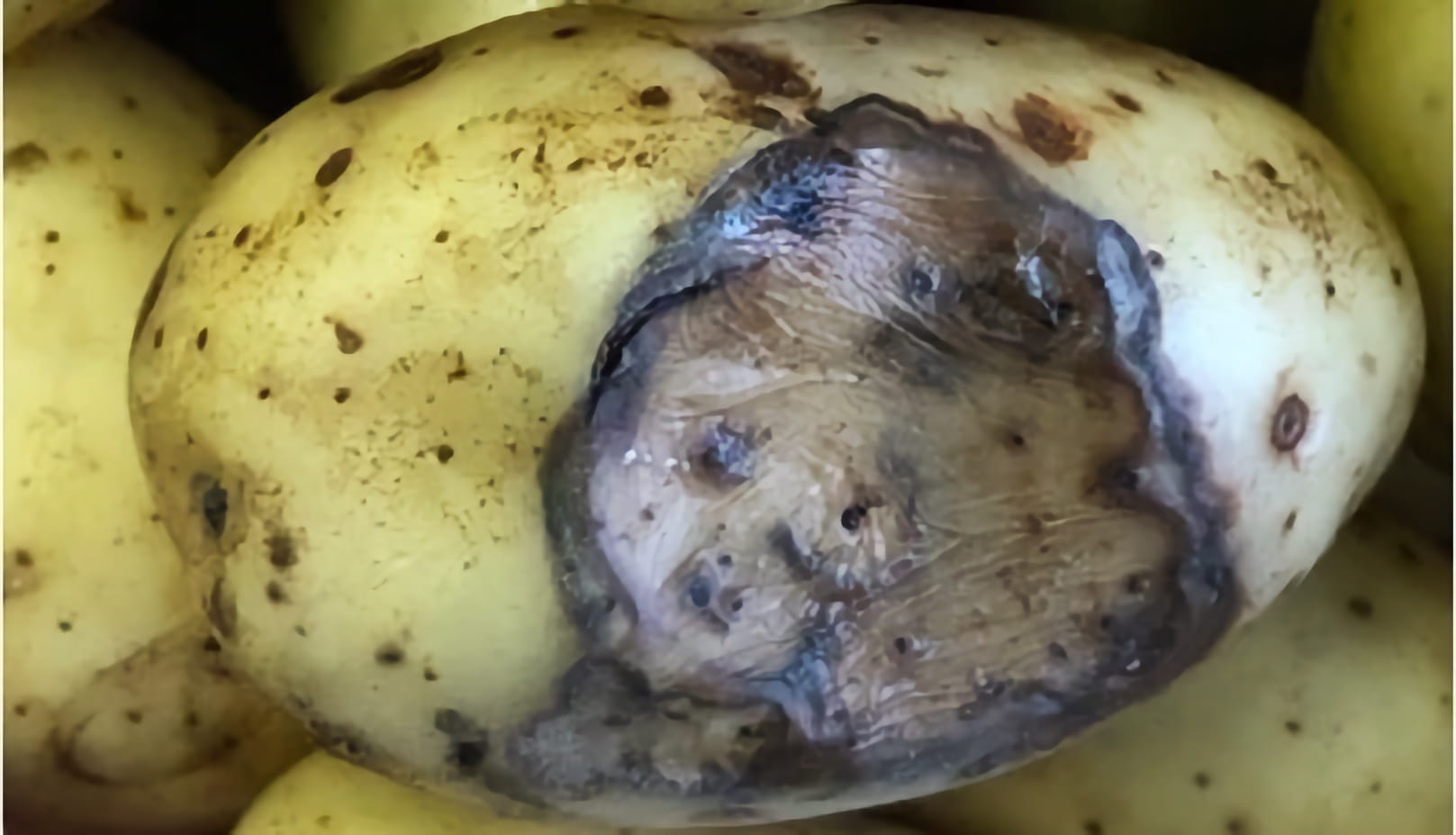
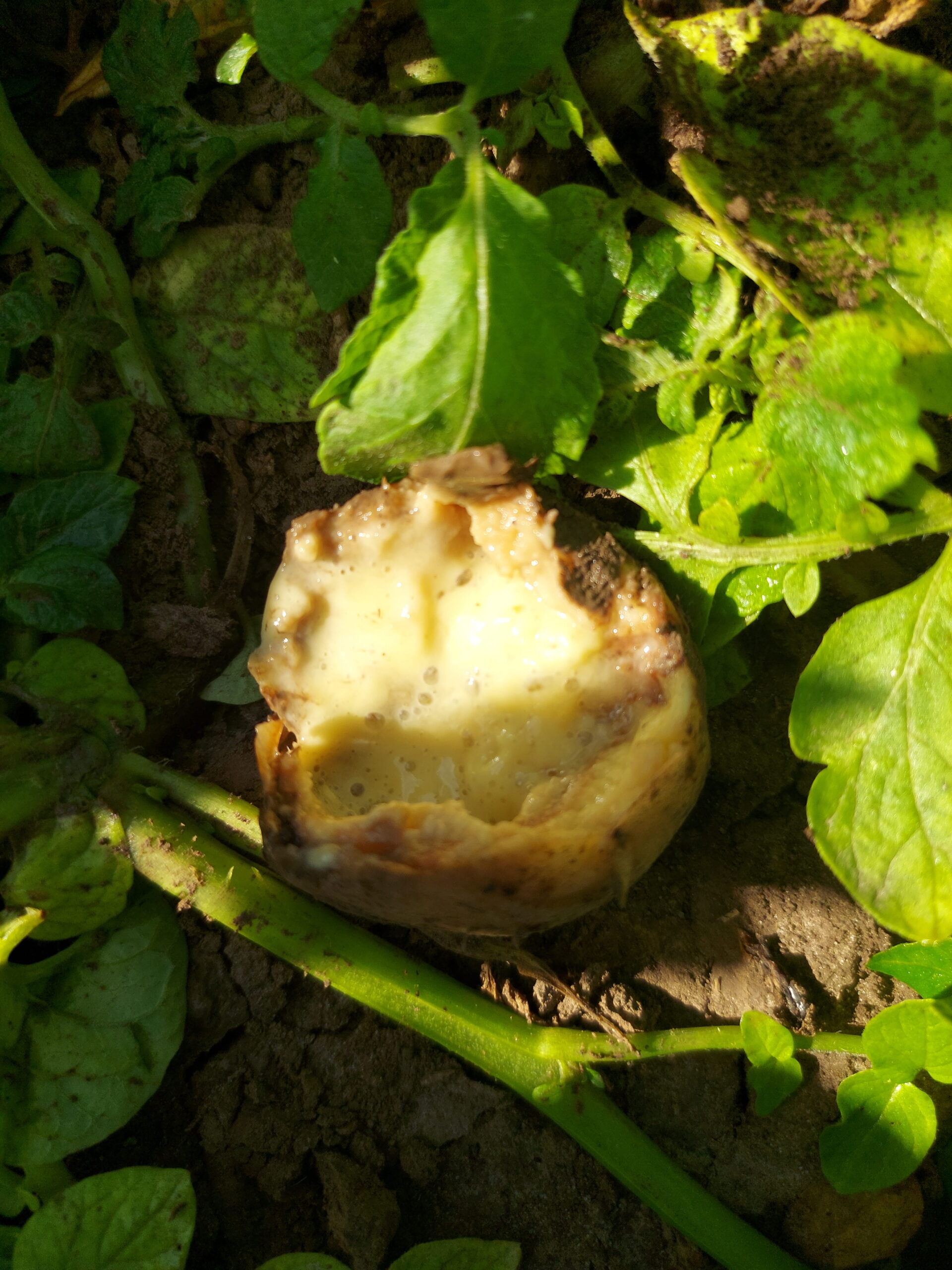
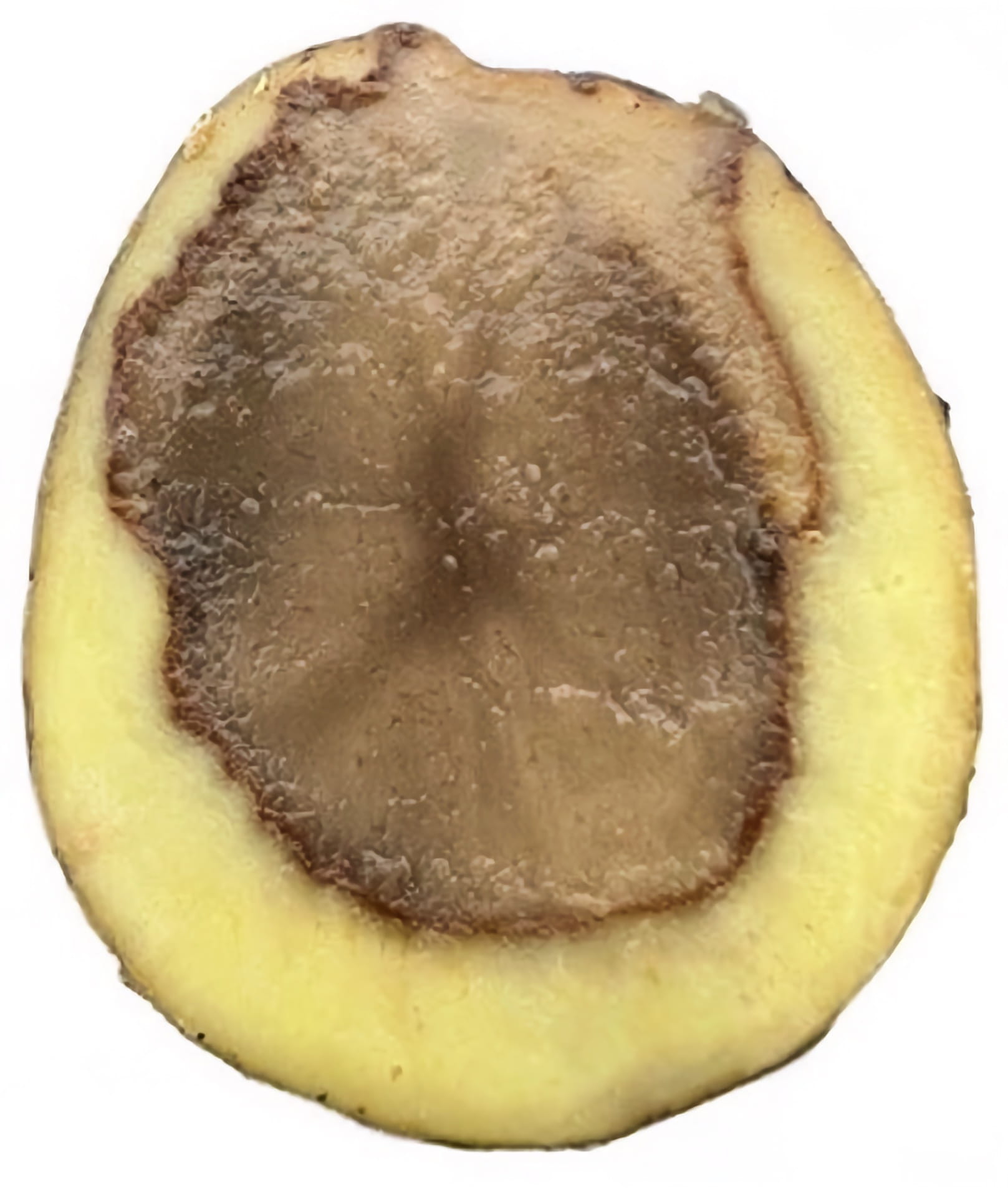
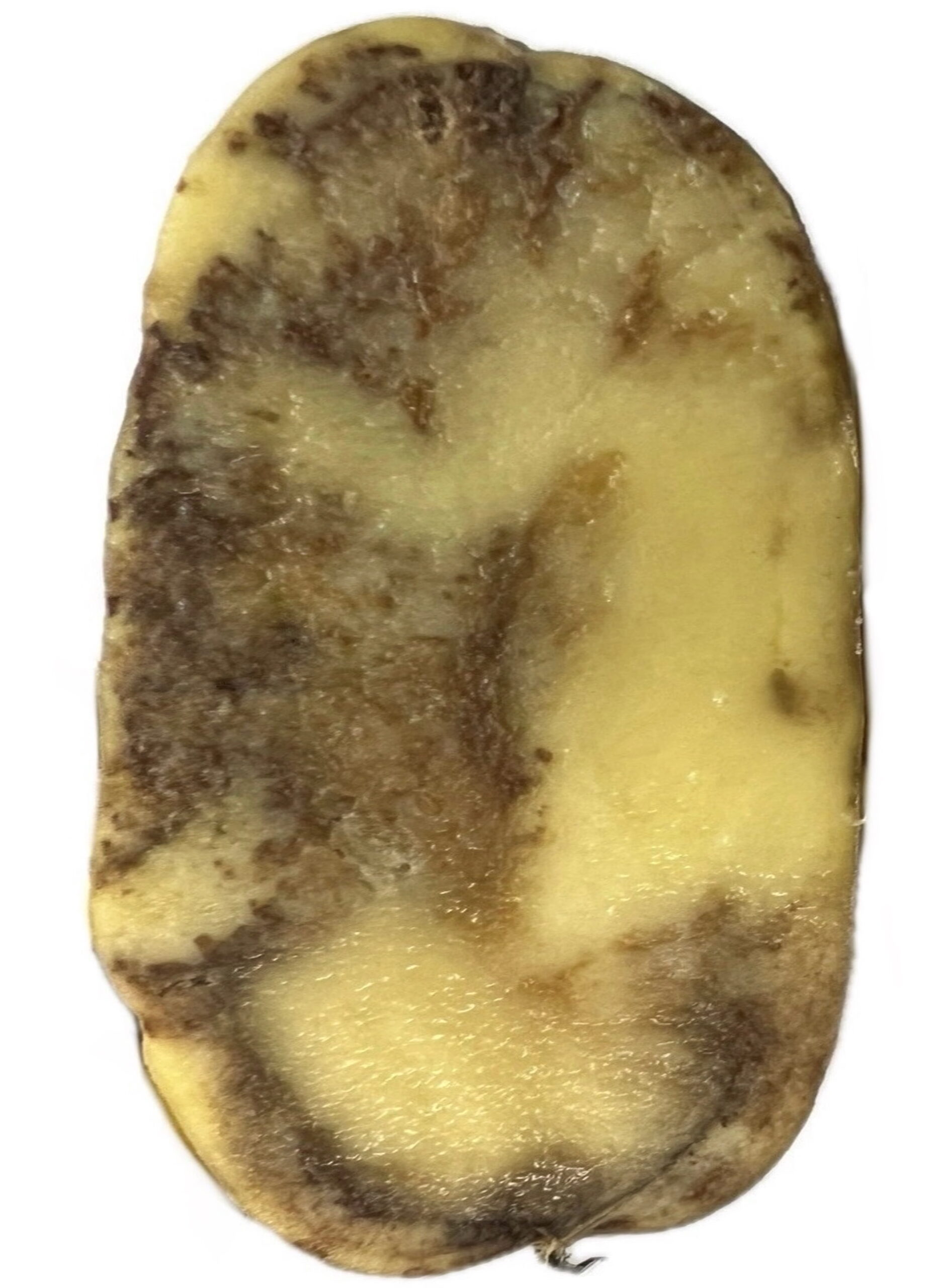
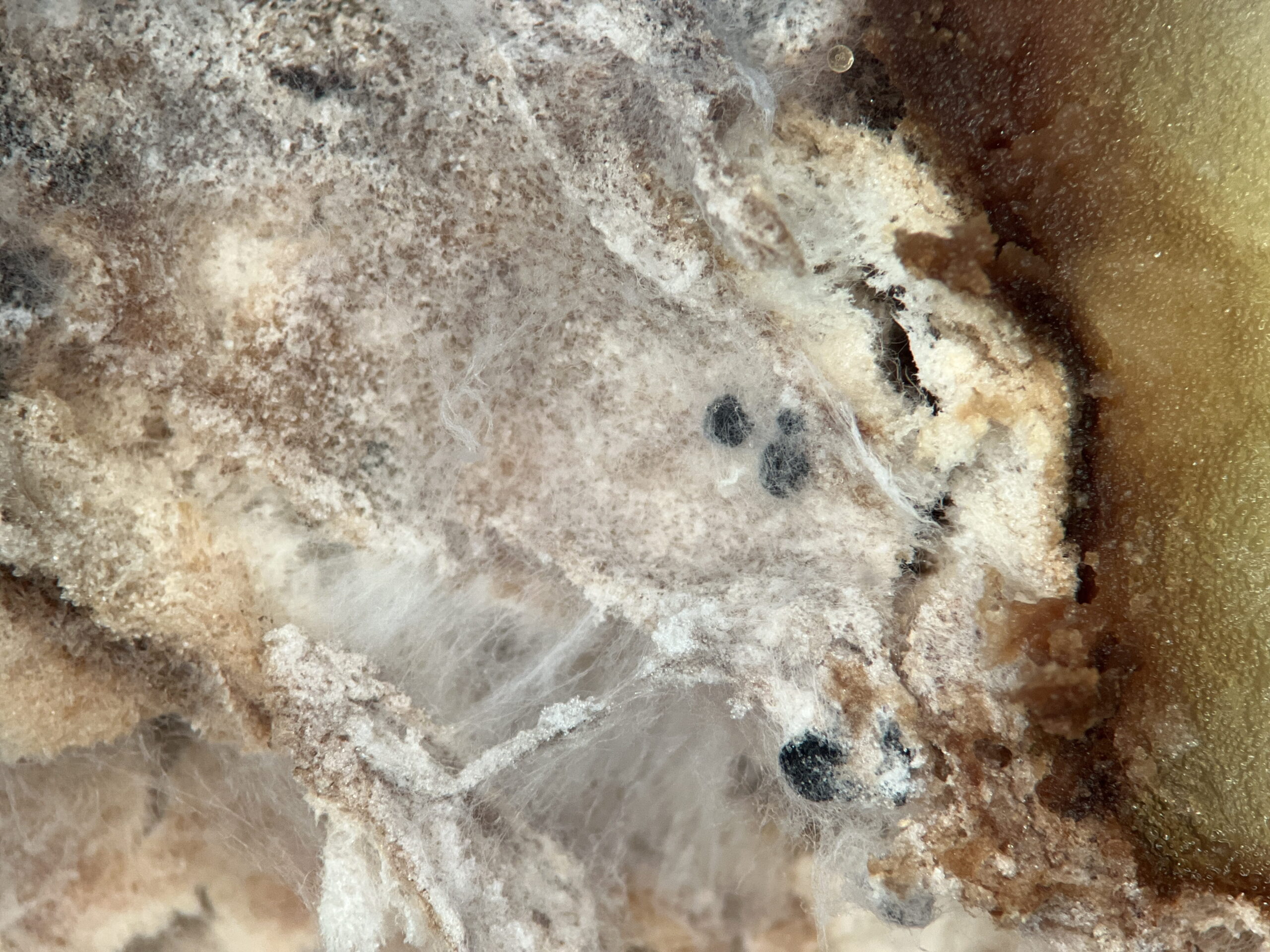
In Aniskov's assessment, bacterial rots are the most dangerous, with Pythium leak second in importance; late blight and grey mould are more often localised but can also be serious under favourable conditions. He expects the highest risk in northwestern Russia, the Urals and Siberia, and in certain areas of central Russia. He stresses, however, that conditions can vary substantially even between neighbouring farms: much depends on batch condition, the extent of tuber damage, sorting quality and adherence to storage practices.
Treating tubers before storage: insurance, not a cure
According to the expert, treatment before storage is justified for seed lots of healthy potatoes with minor damage—for example, with registered fludioxonil-based products—as insurance against secondary infection. It is ineffective if tubers already have bacterial rot, are severely damaged or were harvested from waterlogged soil with signs of wet rot. “In this case, chemicals will not stop the process,” Aniskov notes; sorting, removing affected areas, active ventilation and a curing period are needed. His conclusion: treatment is an additional tool, not a panacea, and it does not replace proper curing and control of storage conditions.
Five common mistakes when storing wet potatoes
- Shortening or skipping the curing period. Tubers are immediately cooled or stored without drying. What is needed: active ventilation, 12–16°C and 85–90% humidity until wounds have healed completely—sometimes 2–3 weeks rather than 10 days.
- Poor sorting. Tubers showing rot are left in the batch in the hope that things will work out; wet potatoes require particularly thorough sorting.
- Insufficient ventilation. Cutting ventilation costs is the main cause of widespread rotting; air exchange must remove moisture from the potato mass.
- Rapid cooling. Temperature must not immediately be lowered to 2–4°C, as this causes stress and condensation; cooling should be gradual and follow the curing period.
- One regime for all batches. Seed potatoes, ware potatoes and potatoes for processing require different temperatures and humidity levels.
Nematodes: a growing problem
Aniskov describes the free-living potato tuber nematode, Ditylenchus destructor, as a very significant problem: its geographical range expands every year, including through seed from infested fields. Chemical protection is very important here, but only in combination with seed testing and crop rotation. Recommendations include crop rotation, green manures, testing seed lots before planting and nematicides; in the expert's observations, oxamyl- and fosthiazate-based products are the most effective.
For cyst-forming nematodes—the golden potato cyst nematode, Globodera rostochiensis, and the pale potato cyst nematode, Globodera pallida—resistant varieties, crop rotation and sanitation take priority. Oxamyl, fosthiazate and other products are only additional tools, and only if registered for potatoes against the particular species. Aniskov points out that golden and pale potato cyst nematodes are quarantine pests: their discovery requires immediate phytosanitary measures even if losses are still small, while cyst accumulation in the soil makes a field unsuitable for potatoes for years.
What this means for farms
- Sort first, treat afterwards: for wet, injured potatoes, sorting, curing and ventilation matter more than any treatment before storage.
- Allow enough curing time: up to 2–3 weeks with active ventilation; cool gradually and only afterwards, using different regimes for seed lots, ware potatoes and processing raw material.
- Test seed before planting: analysis of seed lots is the first line of defence against bacterial rots and the potato tuber nematode in 2027.
Use only products registered for potatoes, strictly according to their instructions; agree protection programmes and storage regimes with an agronomist.
Sources: written comments by A. I. Aniskov, JSC Firm Avgust, for Potatoes.News, 20.10.2026; RIA Novy Den, 19.10.2026, newdaynews.ru; Rossiyskaya Gazeta, 18.10.2026, rg.ru.