Global: Late Blight Programs Tighten to 5-Day Intervals Under High Pressure
When late blight conditions persist, shortening fungicide intervals and rotating modes of action remains the backbone of control — resistance management depends on it.
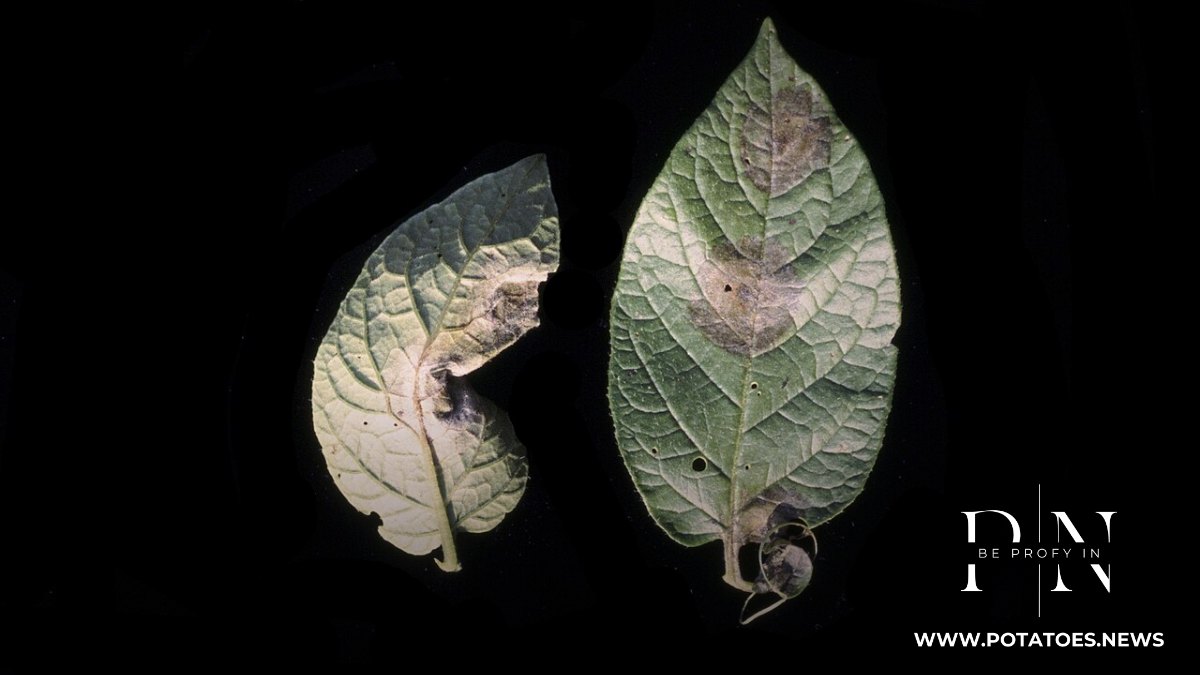
Under sustained late blight pressure, crop protection specialists recommend tightening fungicide intervals to five days and strictly alternating modes of action, as the aggressive Phytophthora infestans genotypes circulating in Europe, such as EU_36_A2 and EU_43_A1, exploit any gap in coverage.
Decision support systems that combine local weather with crop growth stage now anchor spray timing in most professional programs; calendar spraying alone repeatedly fails in seasons with prolonged humid periods.
Resistance management has become critical. Resistance to CAA fungicides such as mandipropamid is now prevalent in the EU_43_A1 lineage, and OSBPI resistance has been found in EU_43 and EU_46, and guidelines call for mixing or alternating products with different biochemical targets and for reserving the most effective chemistry for the high-risk bulking period.
Weekdays. Unsubscribe in one click.
Cultural measures multiply chemical protection: destroying cull piles and volunteers, managing irrigation to shorten leaf wetness, and killing haulm completely at season end to protect tubers at harvest.
Trials continue to show that resistant varieties — where market-acceptable — can cut fungicide input by 30–40% when combined with decision-support timing, and breeders report a growing pipeline of stacked-gene varieties entering registration.
Prevention & control · Editorial note
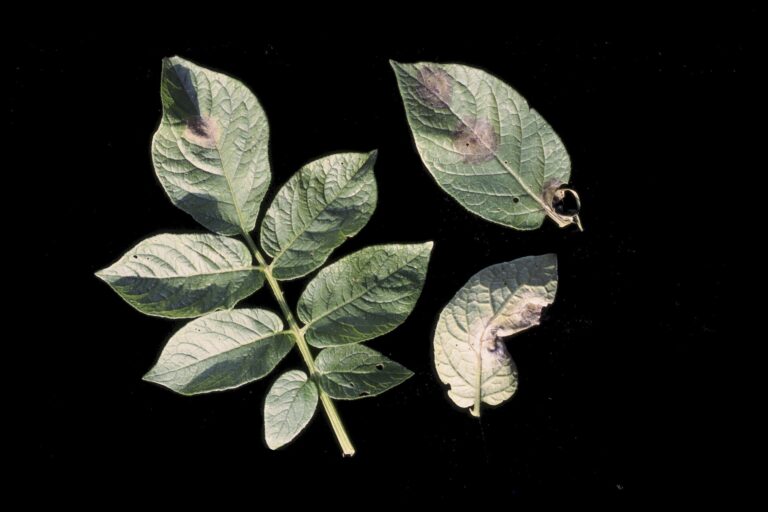
Late blight (Phytophthora infestans): what growers can do
- Prevention: plant healthy certified seed; remove cull piles and volunteer potatoes; choose more resistant varieties.
- Monitoring: follow blight model alerts (Hutton Criteria or your local DSS) and inspect crops after warm, humid periods.
- Chemical protection in the United Kingdom: fluazinam (FRAC 29), cyazofamid (FRAC 21), propamocarb (FRAC 28), cymoxanil (FRAC 27) — check the national register of your country.
- Resistance management: alternate or mix FRAC groups; genotype EU_43_A1 is resistant to group 40, so do not rely on it alone.
This note is provided by the potatoes.news editorial team for information only. It is not a recommendation of any company and is not mandatory. Use only plant protection products authorised in your country and follow the label. Product names and registrations differ between countries; consult a local agronomist.
Sources: EuroBlight early data release 2024; Wander, Spits, Kessel, WUR, 2006; UMaine Extension, 2024