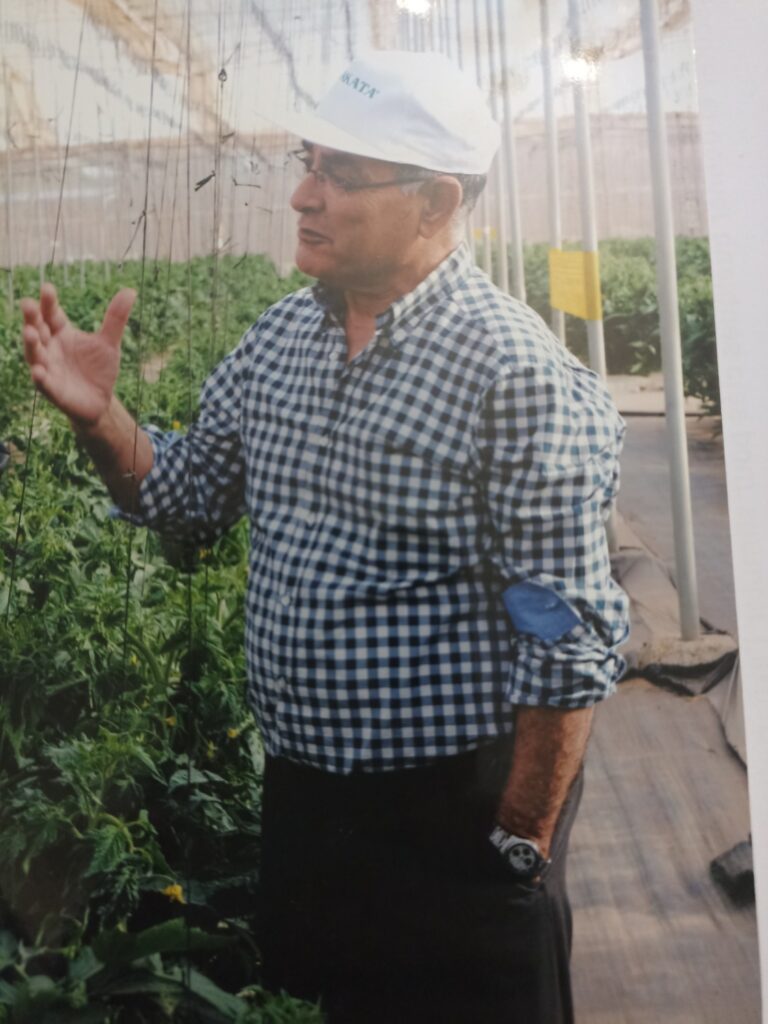
Japan’s new agriculture minister Arata Takebe says lifting the ban on fresh potato imports from the United States will require scientific and technical discussions that could take considerable time. Talks center on risk management for 21 pests and diseases identified as potential threats.
Japan’s new agriculture minister, Arata Takebe, has said that lifting the country’s ban on fresh potato imports from the United States will require scientific and technical discussions that could take considerable time. In an interview with Jiji Press, Takebe said the proposed change must be assessed through negotiations addressing phytosanitary risks and import requirements — the standard framework through which Japan evaluates market-access requests for plant products.
“Not without sufficient discussions.” “The ban on imports will not be lifted without sufficient discussions or an agreement acceptable to both sides,” Takebe said. The talks will focus on risk management measures for 21 pests and diseases identified as potential threats, and the minister indicated that reaching agreement on these measures would take time. The phrasing matters: Tokyo is not rejecting the U.S. request, but it is explicitly tying any opening to a completed scientific process rather than to trade diplomacy alone.
Weekdays. Unsubscribe in one click.
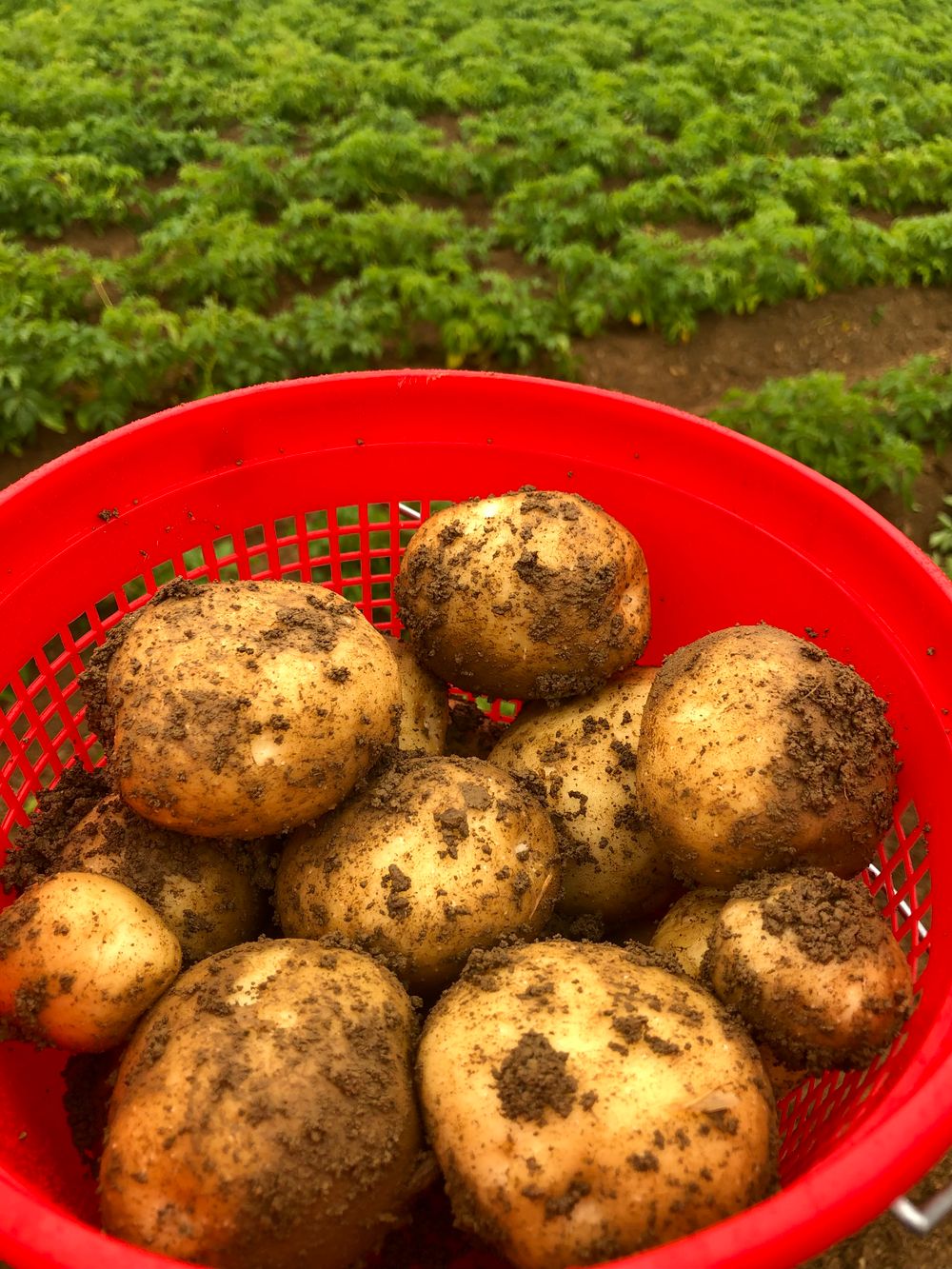
Hokkaido watching closely. Japanese potato growers have raised concerns about allowing fresh potato imports from the United States — particularly in Hokkaido, which accounts for approximately 80% of Japan’s domestic potato harvest. Hokkaido is also part of Takebe’s electoral district, giving the issue direct political weight for the minister personally. Grower organizations on the island have long treated phytosanitary barriers as the first line of defense for both their market and their fields, and nothing in Takebe’s comments suggests that position will be overruled quickly.
Although the United States is seeking access to Japan’s fresh potato market, Takebe emphasized that any decision to lift the import restrictions would depend on scientific assessments and an agreement between both countries — placing the process firmly in the technical, rather than political, track for now. In practice, that means pest-by-pest negotiations on inspection, treatment and certification protocols, a format in which timelines are measured in seasons rather than weeks.
For U.S. exporters, the message is that the door remains closed but not locked: the phytosanitary negotiation channel is open, yet with 21 pests and diseases on the table and the minister’s home turf producing four-fifths of the national crop, quick progress looks unlikely. The processing sector will also read the signals carefully: Japan already imports large volumes of frozen and dehydrated potato products, and a future opening for fresh table stock would redraw competitive lines that domestic growers and foreign suppliers have organized around for years. For now, the practical takeaway is simple: no U.S. fresh potatoes in Japanese retail this season, and none of the 21 risk assessments has a public deadline.
Sources: FreshPlaza; Commodity Board.