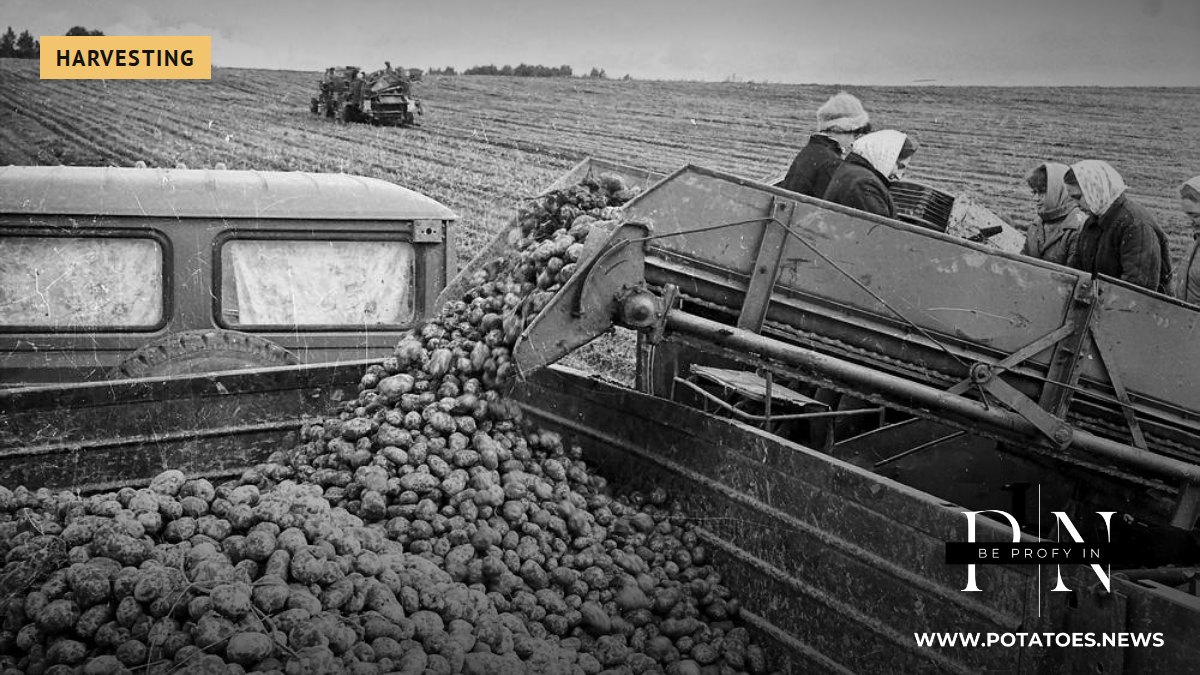
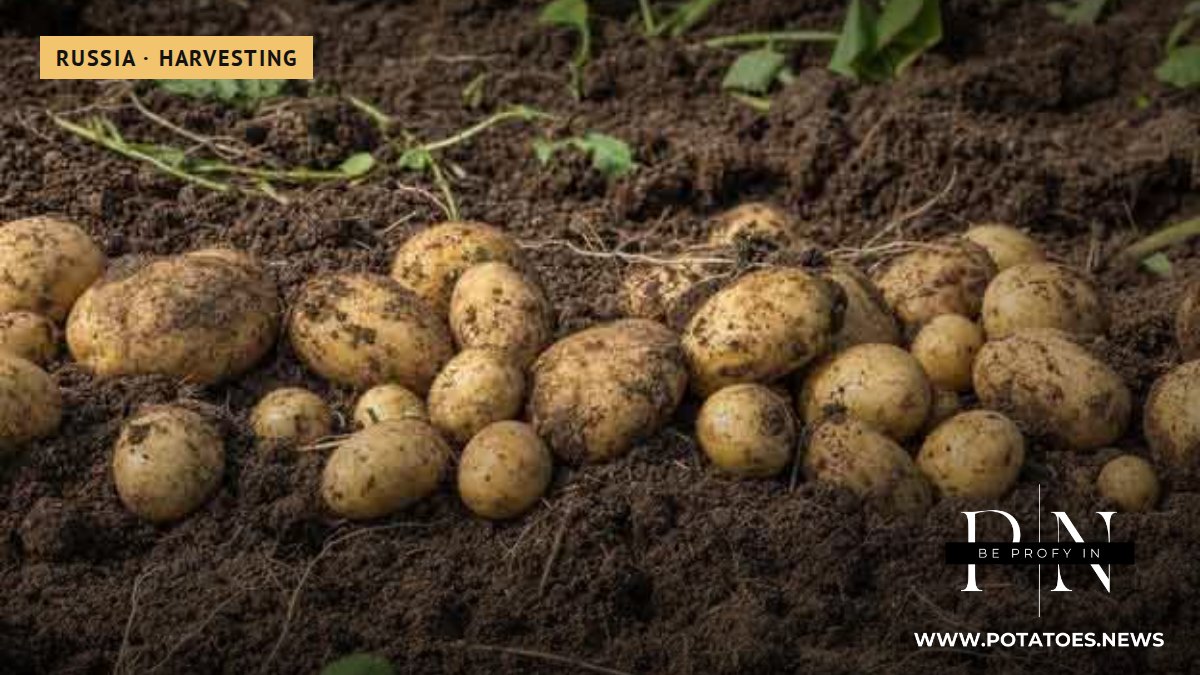
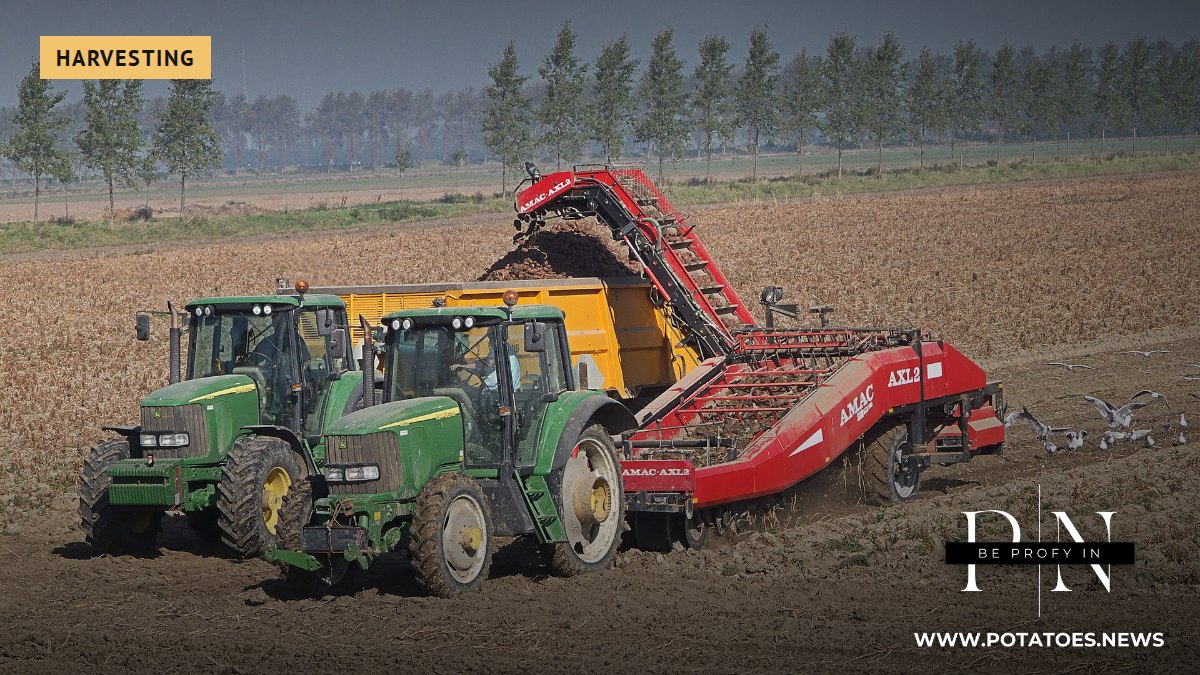
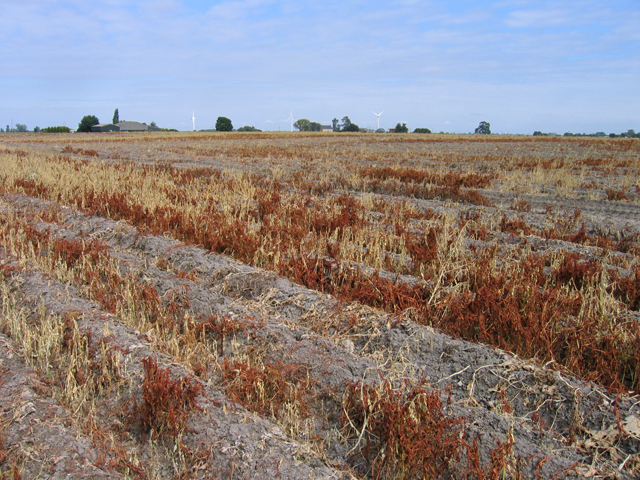
About 80% of the winter potato crop in Vargem Grande do Sul is harvested. Rain slowed lifting and prices recovered, and some loads went to Argentina. Cepea shows prices easing again in late September.
Farm-gate potato prices in Pavlodar fell to 80-110 tenge/kg and some farmers sell below cost, while the growers' union expects about 3.3 Mt against demand of about 2 Mt.
Arkhangelsk region has harvested about 13,700 tonnes of potatoes, 57.2% of the plan, at 171 c/ha; the region spends 17.5 million roubles on potato and vegetable support.
Kirov Region farms have cleared 45% of potato area — 13,500+ tonnes from 477 ha at 283 c/ha, far above the 161.1 c/ha three-year average. Planted area grew 9% to 1,068 ha.
The Lonja de León began quoting new-crop potatoes on 23 September at €310–360 per tonne. The province planted 1,210 ha, down 10.6%, as Europe faces a much smaller harvest.
A Syngenta agronomist tells farmer.pl that some Polish lots reach 17–18% starch while others from the same fields have 13–14%, and some fail the 13% minimum.
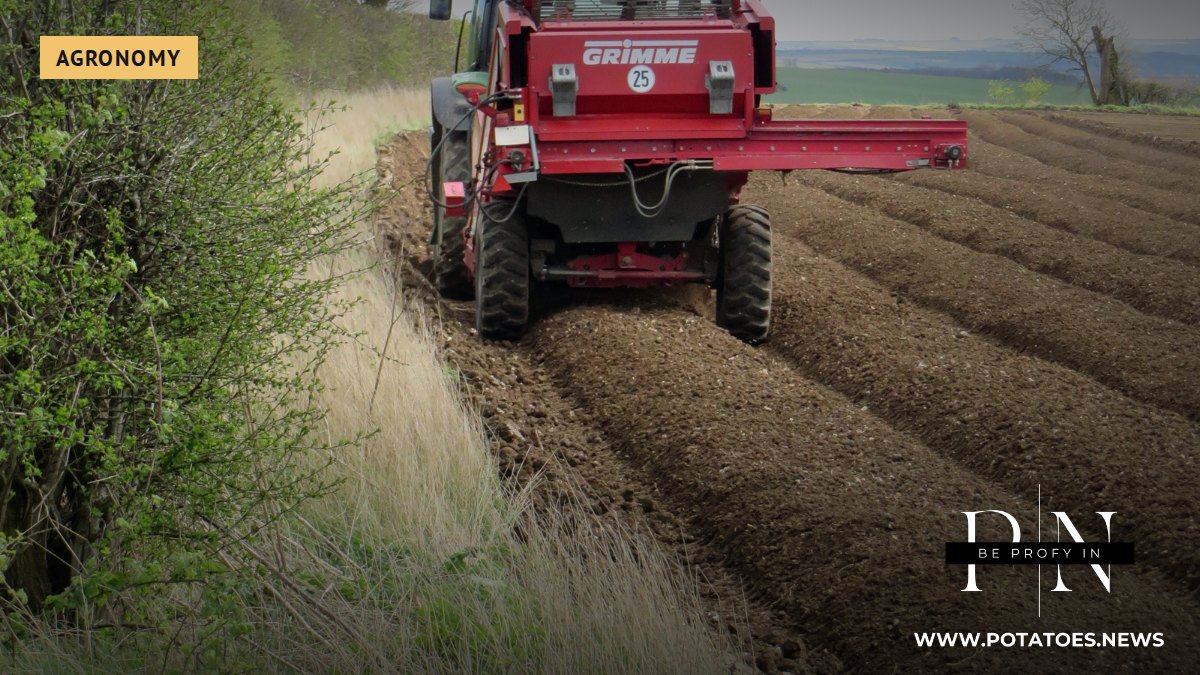
Clods that end up on the harvester and in the store are mostly made at spring cultivation on wet soil. UK, Irish, Belgian and Russian research shows what they cost at harvest and why machines struggle to…
Dingbian in northern Shaanxi is harvesting 200,000 mu of potatoes and expects close to 500,000 t; field-gate price is 0.6 yuan per jin and 95% of area uses virus-free seed.
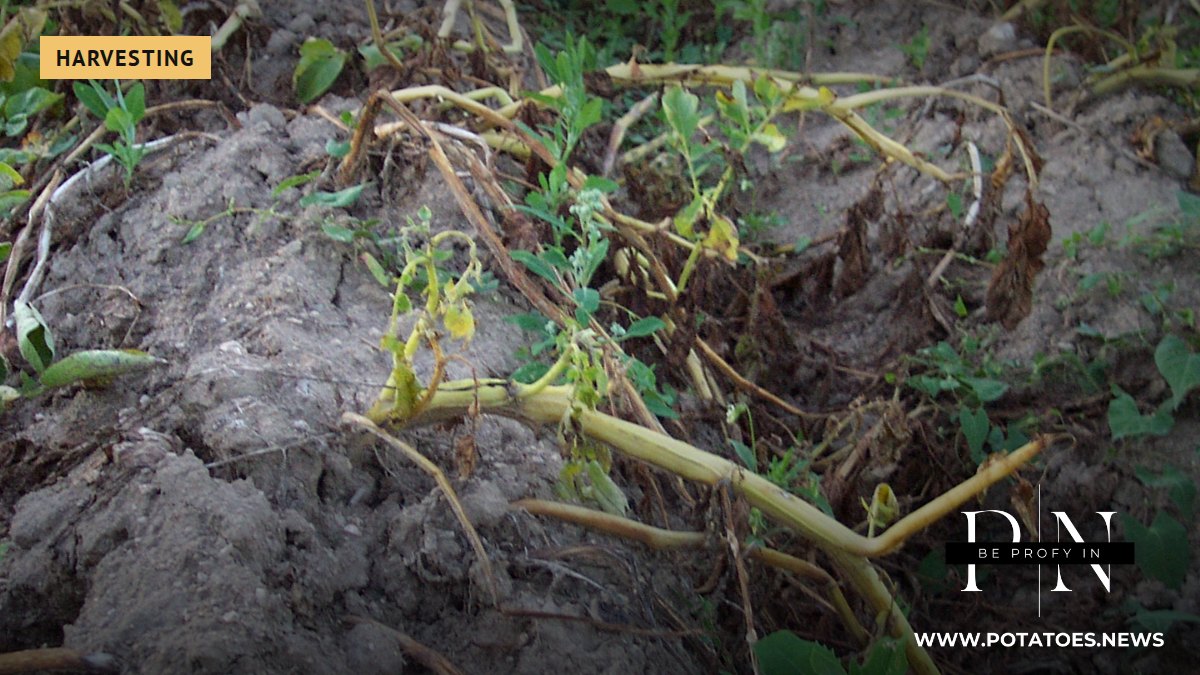
Extension advice says potato vines should be dead for 10 to 21 days before digging. A 2025 Washington State study shows how skin strength differs by variety.
International standards require ware potatoes to have cured skin, no abnormal moisture and at most 10% defects in Class I. Packs up to 5 kg may be limited to a 30 mm size spread.
Idaho growers are digging a smaller crop in 2026. Planted area fell to 298,915 acres, and growers expect yields well below last year's 440 cwt per acre, while quality stays good.
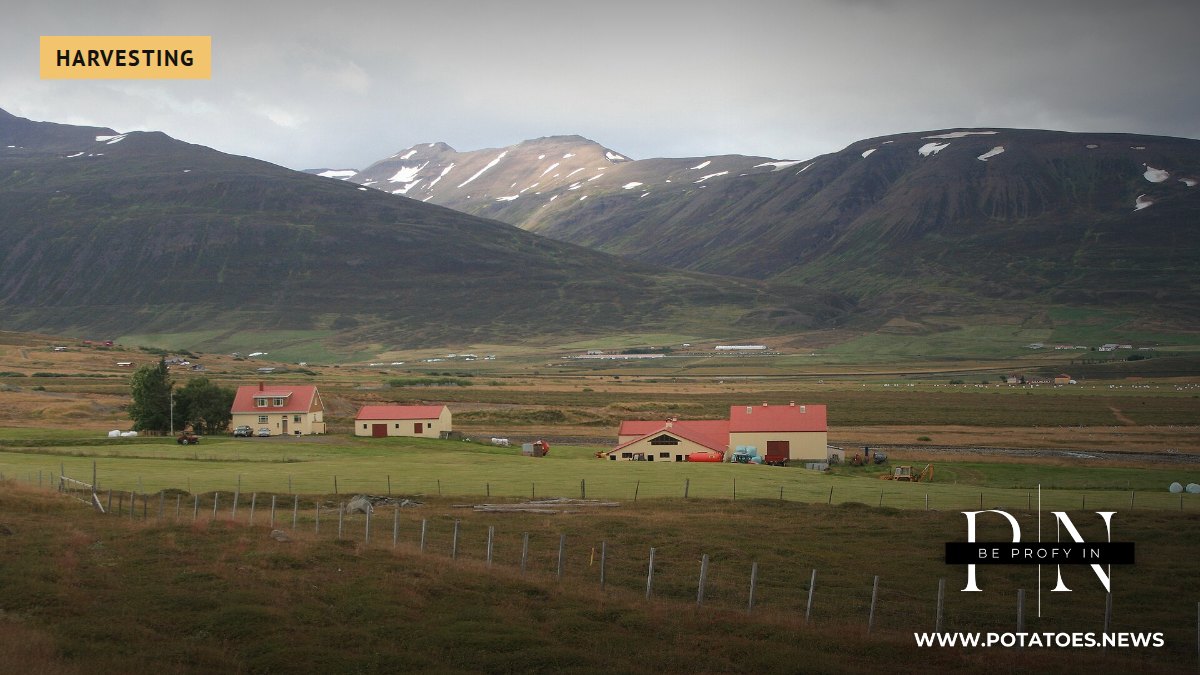
Iceland harvested 8,300 tonnes of potatoes in 2025, Eurostat data show, after only 5,514 tonnes in 2024, the smallest crop since 1993 according to Hagstofa. About 70% of potatoes grow in Þykkvabær.
Irish growers harvested 384,900 tonnes of potatoes in 2025 on 8,900 hectares, official data show. Higher yields kept output up while the area kept falling.
Luxembourg harvested 25,150 tonnes of potatoes in 2025 on 700 hectares, Eurostat data show. The yield of 35.85 t/ha was the highest since at least 2010, and imports stayed near 10,000 tonnes.
Malta exported only 26 tonnes of potatoes in 2025, down from 1,411 tonnes in 2021 and 7,200 tonnes in 2004. The 2025 harvest was 6,800 tonnes on 510 hectares, Eurostat data show.
Italy grew 1.41 million tonnes of potatoes on 49,270 hectares in 2025, Eurostat data show. Imports exceed 800,000 tonnes a year, mainly from France and Germany.
Austria harvested 813,300 tonnes of potatoes in 2025, up 17%. But its supply balance shows self-sufficiency fell to 78% in 2023/24, and the 2026 crop is hit by drought.
The Czech Republic imported 197,678 tonnes of fresh potatoes in 2025, even though farms harvested 734,580 tonnes at 30.4 t/ha. The potato area has fallen by 65% since 2000.
Slovakia harvested almost 200,000 tonnes of potatoes in 2025 at an average yield of 31 t/ha, ŠÚ SR and Eurostat data show. The area is 76% smaller than in 2000, but yields have more than doubled.
Hungary harvested 218,549 tonnes of potatoes on 7,719 hectares in 2025. Three southern and eastern counties grow most of the crop, and domestic output covers only 40–50% of demand.
Slovenia grew only 41% of the potatoes it used in 2024, SURS data show. In 2025, the harvest fell by about 19% to 60,820 tonnes, and imports again exceeded domestic output.
Croatia harvested 111,691 tonnes of potatoes in 2025, 16.6% less than in 2024, while imports rose 22.6% to 86,340 tonnes. Self-sufficiency may fall below 40%.
Serbia harvested 648,930 tonnes of potatoes in 2025 on 23,160 hectares at a record 28 t/ha, Eurostat data show. The area is 59% smaller than in 2007, and EU exports to Serbia reached 54,453 tonnes.
North Macedonia grew potatoes on 11,780 hectares in 2025, 14% less than in 2015. Output stayed between 174,000 and 204,000 tonnes, depending on the source, and EU exports to the country tripled.
Germany’s potato trade urged a measured view of supply at the 73rd Autumn Potato Get-together in Hamburg, as the 2026 crop is forecast at 10.4 million tonnes.
Bulgaria harvested 94,000 tonnes of potatoes in 2025, down 17% on 2024 and from 196,000 tonnes in 2021, MZH data show. Imports of 48,321 tonnes now equal about half of the domestic crop.
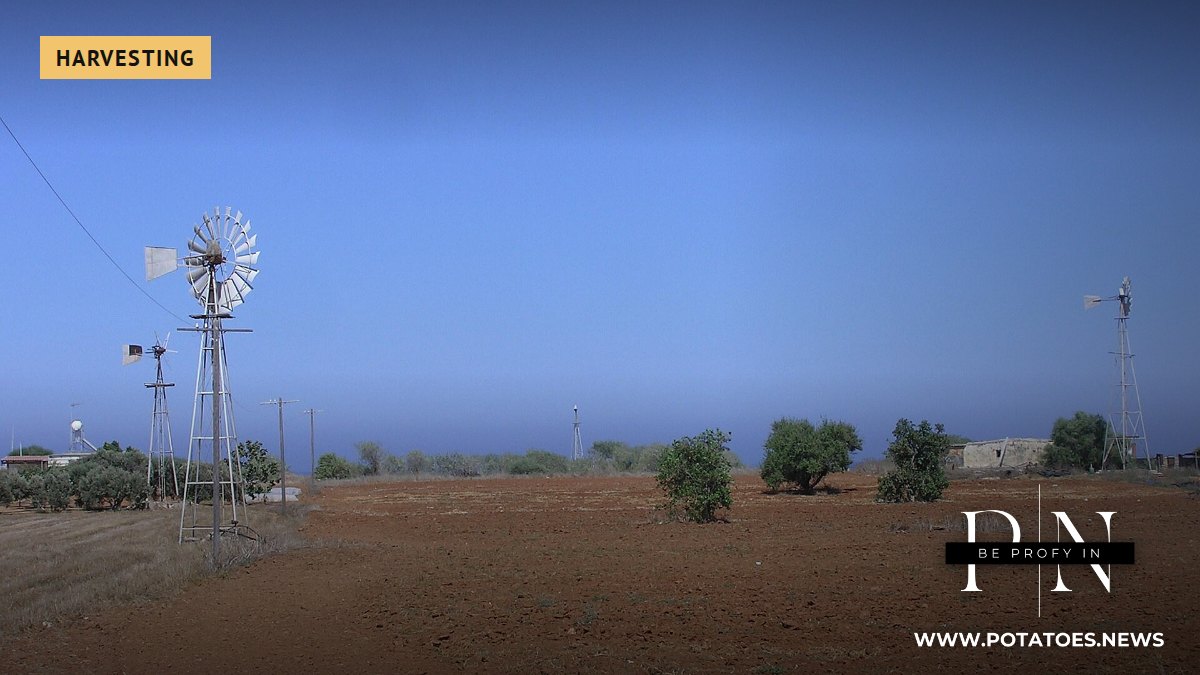
Cyprus exported 62,903 tonnes of potatoes in 2025, while the harvest was 80,000 tonnes on 3,800 hectares, Eurostat data show. CYSTAT valued potato exports at €47.4 million in 2024.
Lithuania harvested 276,960 tonnes of potatoes on 14,360 hectares in 2025, Eurostat data show. The area is 87% smaller than in 2000, but the yield was the best since at least 2010.
Finland grew 546,000 tonnes of potatoes in 2025. In 2026 the area rose back above 20,000 hectares, driven by starch potatoes, and Luke expects more than 620 million kg.
Estonia harvested 60,170 tonnes of potatoes in 2025 on 2,910 hectares, Eurostat data show. In 1991, the country grew 592,000 tonnes on 52,000 hectares.
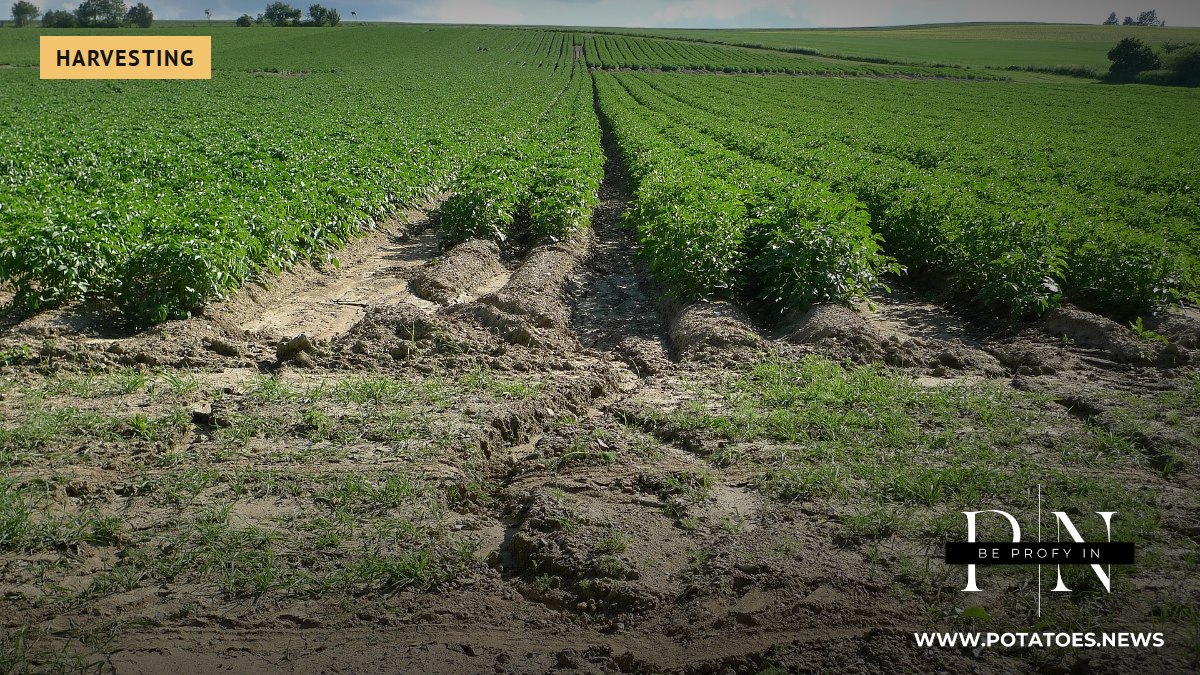
Latvian potato growers report a good crop but a slow, wet harvest. Farmers in Zemgale say lifting is about 12 days late, and some fields are too wet for machines.
Bryansk farms had harvested potatoes on 15,100 ha, or 41% of the plan, by mid-September. Neighbouring Tula and Kaluga report farm prices of 14–20 roubles per kg and shop prices of 34–35 roubles.
Azerbaijan harvested 777,200 tonnes of potatoes in January–August 2026, 2.2% more than a year earlier, the State Statistics Committee says. Exports in January–July rose 9.2% to 77,400 tonnes.
Vice Minister of Agriculture Nazgul Khatepova said on 29 September that Kazakhstan will not restrict potato exports. The ministry expects a 2.8 Mt harvest; 2.5 Mt is already dug.
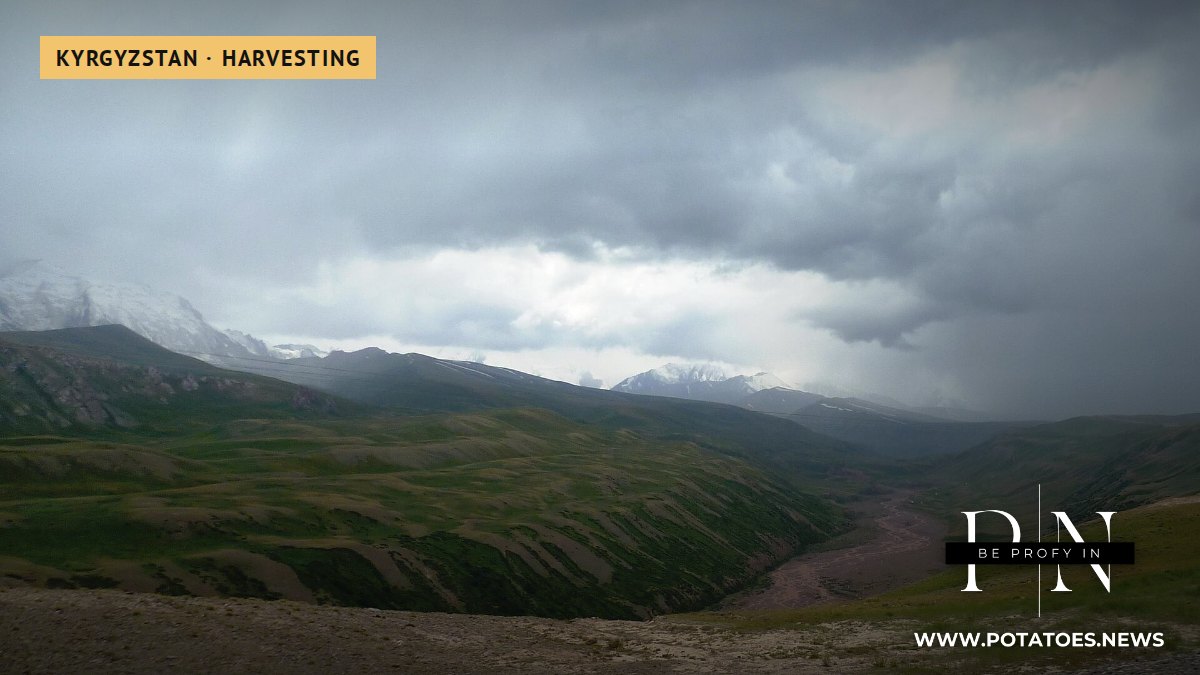
A KfW-funded project says seven registered seed potato farms at over 2,400 m in Chon-Alay harvested 35–50 t/ha of European varieties. Local seed costs about 100 som/kg versus 170–180 som/kg for imports.
FAOSTAT data for 2024 put world potato output at 390.4 million tonnes. Ten countries grow two thirds of it, and Asia's harvest is almost nine times bigger than in 1961.
Peru's July potato production fell 19.6% as Arequipa's crop collapsed, but Lima's main wholesale market received almost the same volume as a year earlier.
Norway harvested 386,200 tonnes of potatoes in 2025, the largest crop since at least 2021. More than half came from Innlandet. In 1961 the country grew over 1.2 million tonnes.
The PPAS consortium in Calabria expects prices for Sila PGI potatoes to rise by about 15% this season. Its director says northern European reference prices have more than tripled, from €0.12 to €0.43–0.44 per kg.
The potato area in England fell by 8.2% to 82,000 hectares in 2026, according to Defra's June survey. Early potatoes fell by 14.0%. The UK potato price index was 17.6% lower in July than a year earlier.
Portugal's statistics office INE expects irrigated potato production to rise by 10% in 2026, while the rain-fed crop falls by 15%. Retail potato prices were 7.9% higher than a year earlier in July–August.
Farms in Russia's Urals Federal District had dug 294,000 tonnes of potatoes by 23 September. Sverdlovsk region, where waterlogging led to an emergency regime in 37 municipalities, has 90,000 tonnes in store.
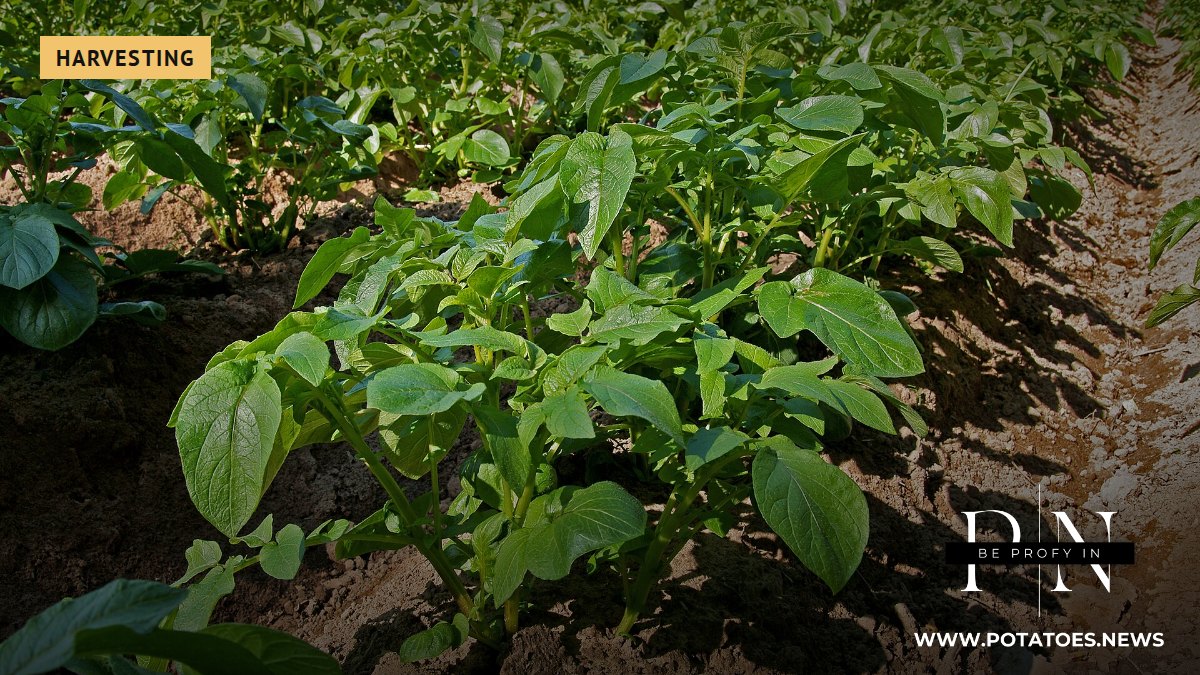
Without a haulm topper or with the weather closing in, many growers lift potatoes under still-green foliage. Extension research on skin set shows where this is acceptable and why such lots need separate handling in storage.
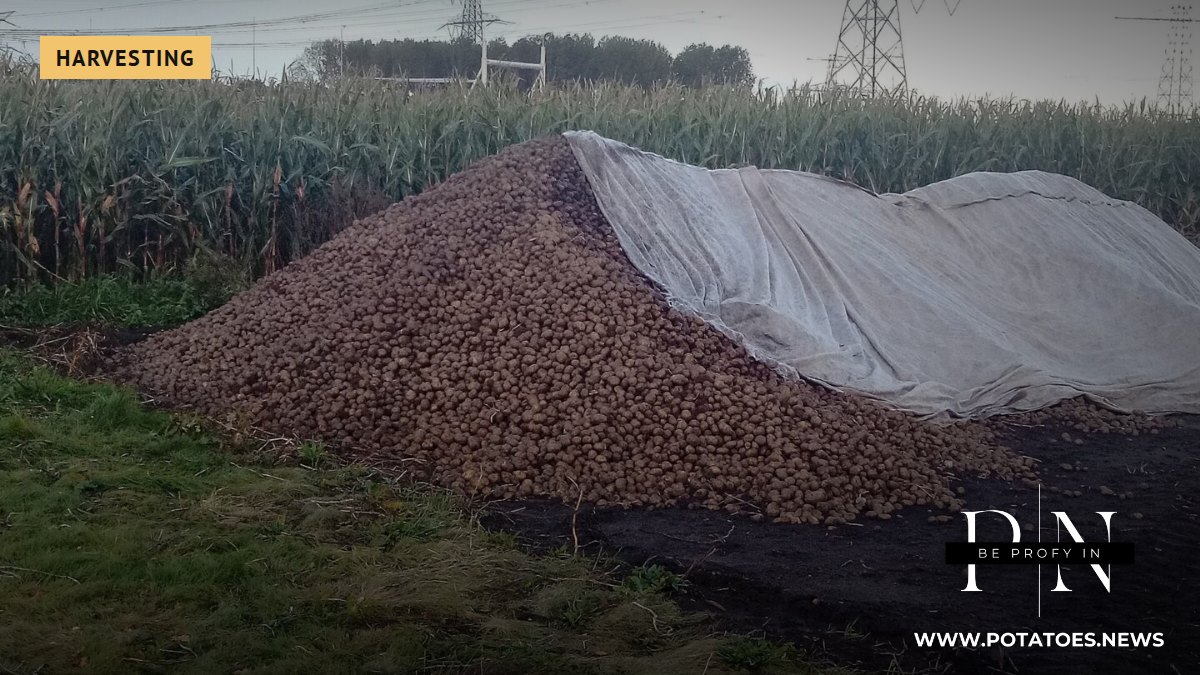
When the harvest outruns storage capacity, a field clamp can buy time instead of selling at the seasonal low. FAO guidance and classic clamp design show where the limits are: size, cover, ventilation and temperature control.
A new thermal haulm burner in Canada revives an old question. UK trial data show how flailing, PPO desiccants and pulling perform without diquat on speed, skin set, stem-end browning and cost.
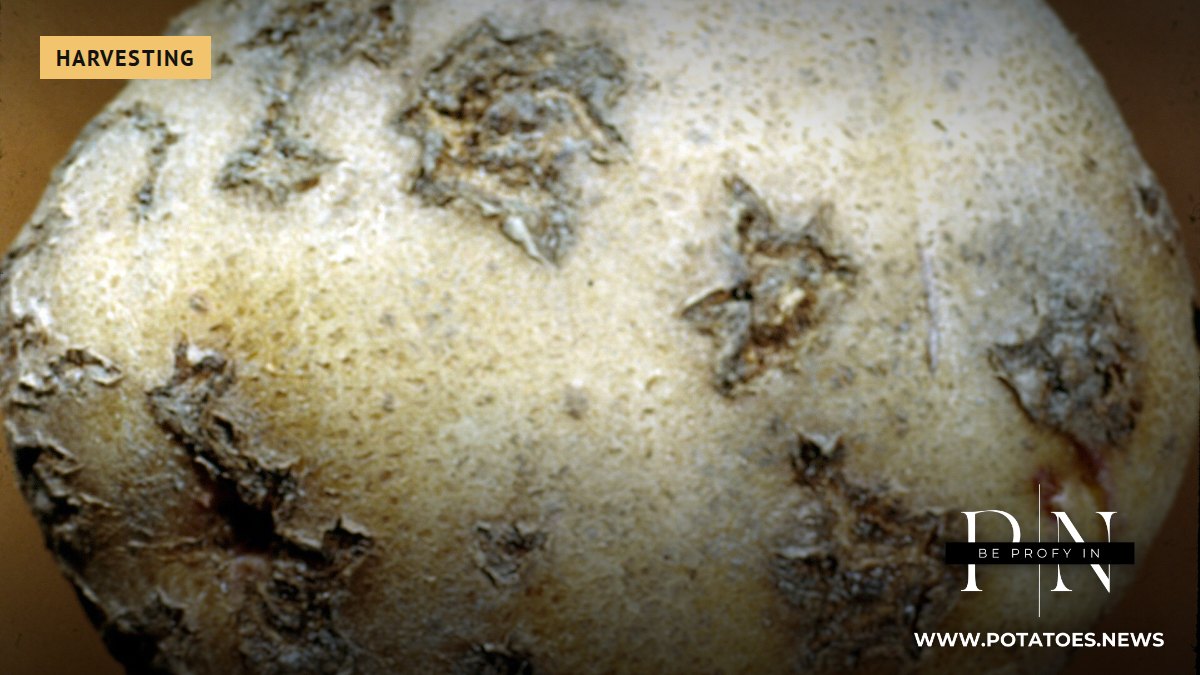
Soil and seed inoculum, plant stress and long waits between haulm killing and harvest all raise black dot on potato tubers. Research from the UK, Wisconsin and California shows which steps cut the risk.