Serbia: Potato Yield Doubles to 28 t/ha Since 2007 as Area Falls 59% and EU Supplies Reach 54,453 Tonnes
Serbia harvested 648,930 tonnes of potatoes in 2025 on 23,160 hectares at a record 28 t/ha, Eurostat data show. The area is 59% smaller than in 2007, and EU exports to Serbia reached 54,453 tonnes.
Serbia harvested 648,930 tonnes of potatoes in 2025, according to Eurostat. The crop grew on 23,160 hectares. The average yield was 28.02 tonnes per hectare, the highest in the series. In 2024, the harvest was 608,910 tonnes from 22,480 hectares, so output rose by about 7%.
Less than half the land of 2007
The Eurostat series for Serbia starts in 2007. That year, potatoes covered 56,100 hectares and the harvest was 743,280 tonnes, at 13.25 tonnes per hectare. Since then, the area has fallen by about 59%. But the yield has more than doubled, so output has fallen by only about 13%. Between 2008 and 2011, harvests were close to 850,000–900,000 tonnes.
The biggest yield gains came recently. The average was 15.32 tonnes per hectare in 2017, 22.41 tonnes in 2020 and 27.08 tonnes in 2024. For 2026, Eurostat lists a potato area of 22,180 hectares, about 4% less than in 2025.
Weekdays. Unsubscribe in one click.
Imports from the EU
Serbia still buys many potatoes abroad. EU trade data for fresh potatoes (HS code 0701) show that EU countries exported 54,453 tonnes of potatoes to Serbia in 2025. In 2024, they sold 34,536 tonnes, and in 2019, only 18,320 tonnes. The peak was 56,256 tonnes in 2022. Serbian potato sales to the EU are very small, at 97 tonnes in 2025.
Industry sources describe a larger gap. In September 2026, the president of the association Plodovi Srbije told the daily Srbija Danas that about 40% of domestic needs are covered by imports, mainly from Belgium, the Netherlands and France. He put domestic output at 500,000–600,000 tonnes a year and storage losses at 70,000–80,000 tonnes. These figures are estimates from the sector and are not official statistics.
Why it matters
Serbia is one of the largest potato producers in the Western Balkans. Its farms now grow more potatoes per hectare than ever, but on less than half the land they used in 2007.
Imports from the EU have roughly tripled since 2019. For EU exporters, Serbia is a growing market. For Serbian growers, the rise in yields shows that modern production works, but storage losses and competition from imports remain the main problems.
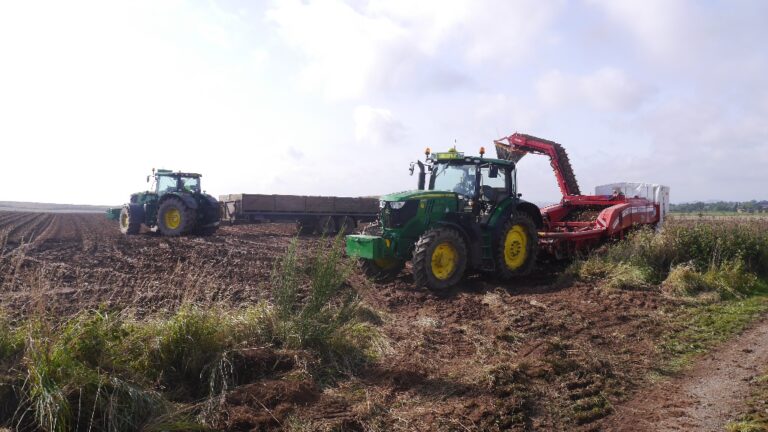
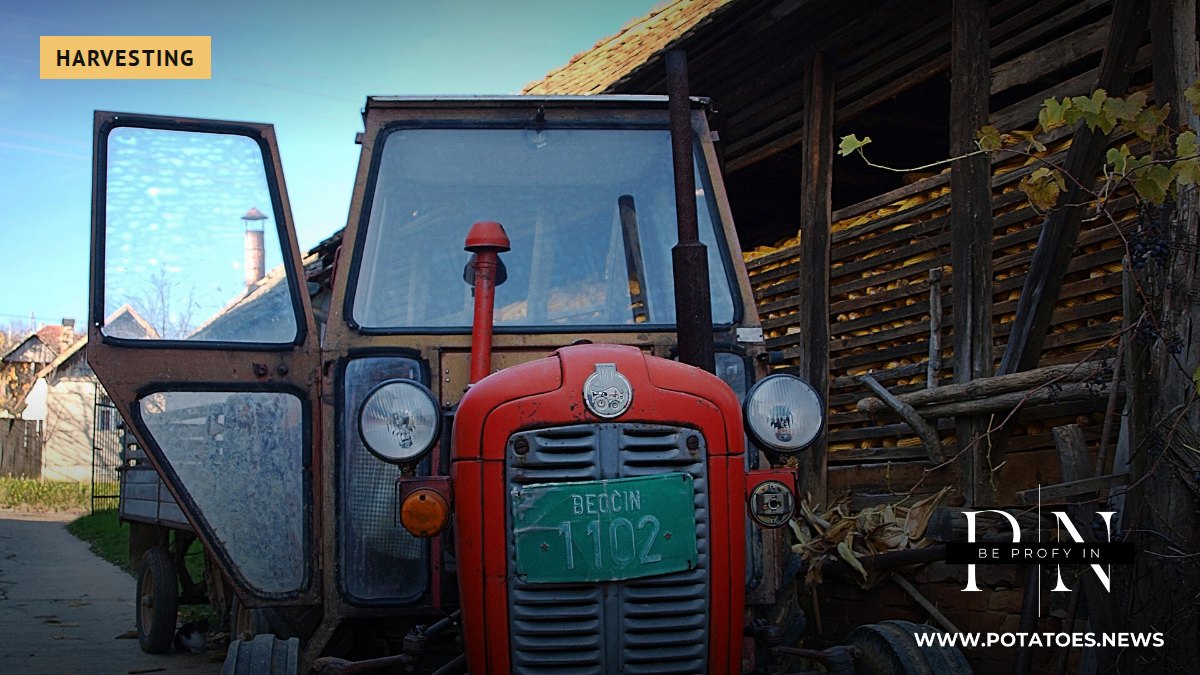
Photo: Autumn harvest in a village in Serbia (illustrative). Petar Milošević / Wikimedia Commons, CC BY-SA 3.0