Russia: Zabaykalsky Krai Farms Harvest 5,900 t of Potatoes, 13% More Than a Year Earlier
Farms in Zabaykalsky Krai had harvested 5,900 t of potatoes from 340 ha by 22 September, 13% more than a year ago; Chita district leads with 4,500 t.
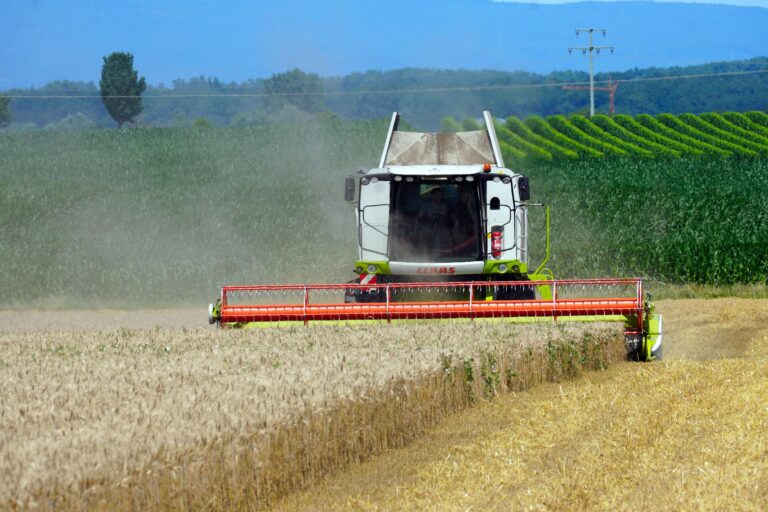
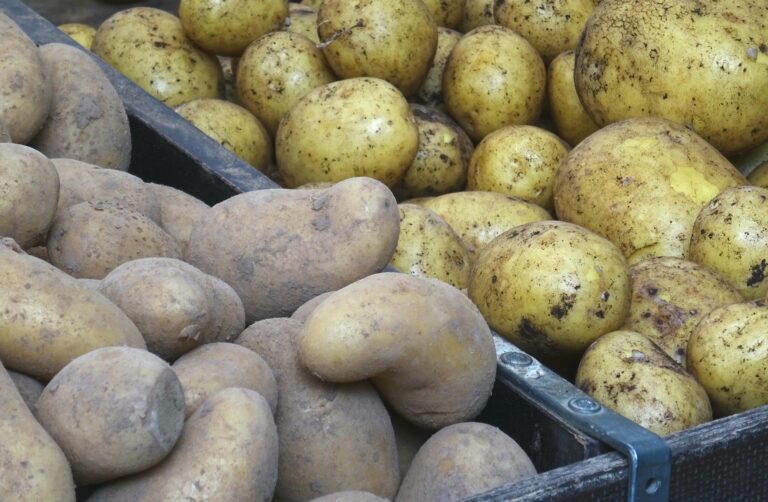
Agricultural producers in Russia’s Zabaykalsky Krai, east of Lake Baikal, had harvested 5,900 tonnes of potatoes from 340 hectares by 22 September 2026, the regional Ministry of Agriculture said. This is 13% more than at the same date in 2025, when the figure was just over 5,000 tonnes. The report was published by ZabNews, citing the ministry’s press service and minister Albina Koreshkova.
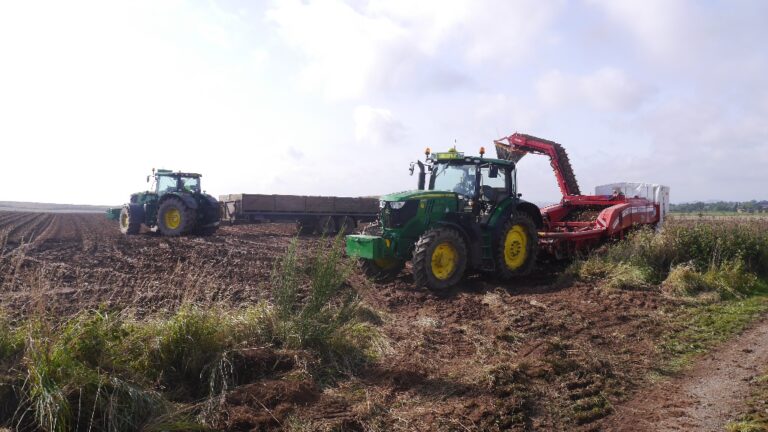
About 160 hectares of potatoes remained to be harvested at that date. Together with the harvested area, this suggests about 500 hectares in the region’s agricultural enterprises and farms this year, by our calculation. The average yield on harvested fields was about 17 tonnes per hectare, also by our calculation from the ministry’s figures.
Leading districts
Chita district is the main producer, with 4,500 tonnes harvested. Uletovsky district followed with 630 tonnes and Karymsky district with 605 tonnes. Together these three districts produced 5,735 tonnes, or about 97% of the regional total, by our calculation.
Weekdays. Unsubscribe in one click.
Farms also harvested open-field vegetables from 8.8 hectares, or 13.4% of the vegetable area, and collected 166.5 tonnes. This included 76.5 tonnes of beetroot, 50 tonnes of carrots and 40 tonnes of cabbage.
Why it matters
Zabaykalsky Krai has a harsh continental climate, with a short frost-free season and long, cold winters. The commercial potato area is small, about 500 hectares by our estimate. The figures above cover only agricultural enterprises and farms, not household plots. For local buyers, such as retail chains and public institutions, this commercial crop is the main source of graded potatoes in larger volumes.
A 13% increase at the same date is a positive signal for local supply this winter. Because transport to the region from western Russia is long and costly, every tonne grown locally reduces the need for deliveries. The last 160 hectares must be dug before frost. Buyers in the region should watch final results in October and the condition of potatoes going into storage. The regional ministry has not published a forecast for the full season.
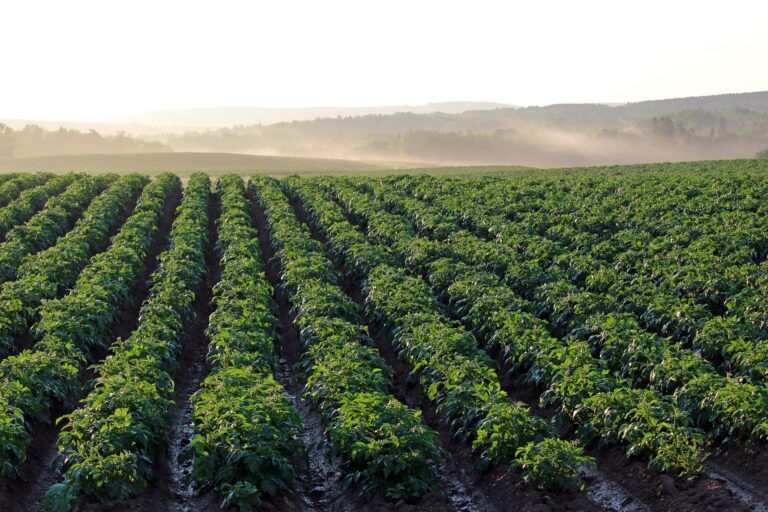
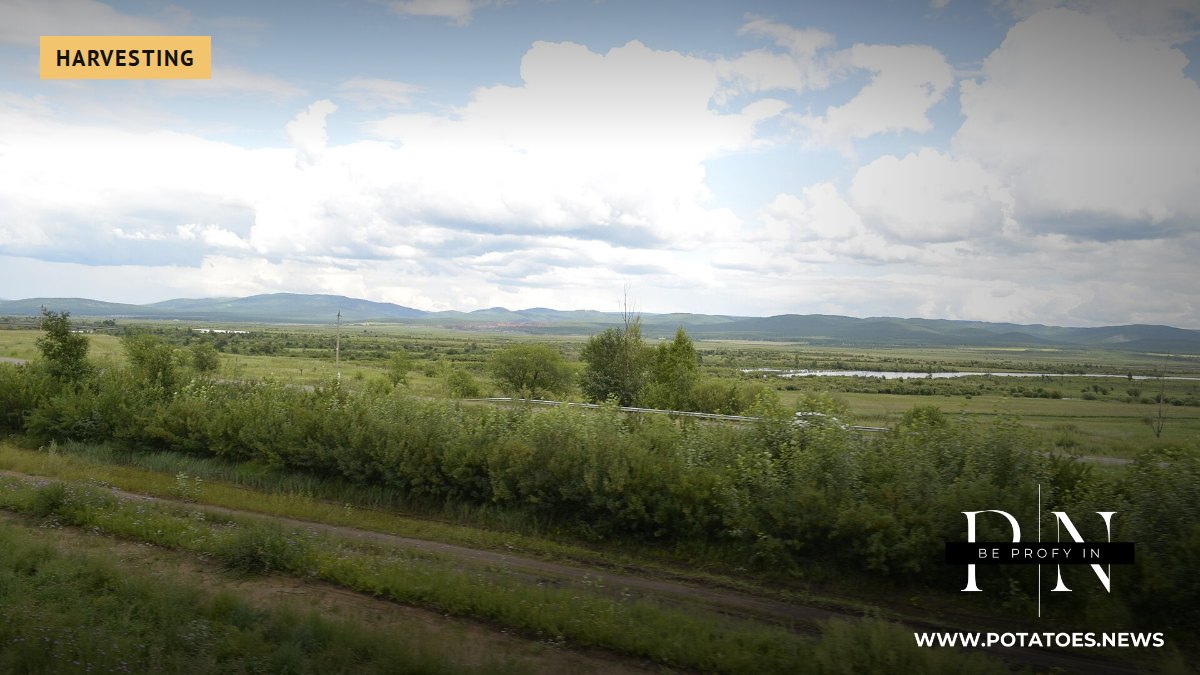
Photo: Landscape in Khilok district, Zabaykalsky Krai, Russia (illustrative). groshev1971 / Wikimedia Commons, CC BY 3.0