Spain: León Exchange Opens 2026 Potato Season at Up to €360 per Tonne
The Lonja de León began quoting new-crop potatoes on 23 September at €310–360 per tonne. The province planted 1,210 ha, down 10.6%, as Europe faces a much smaller harvest.
The agricultural exchange in León, in the Spanish region of Castilla y León, started to quote potatoes from the 2026 harvest on 23 September. Opening prices range from €310 to €360 per tonne, depending on the variety.
According to the Lonja de León and local press reports, the prices at the first session were:
- Kennebec: €360 per tonne, the highest price
- Agria: €330 per tonne
- Red Scarlett and Yona: €320 per tonne
- Jaerla and Red Pontiac: €310 per tonne
The exchange called the price level acceptable. It said the price can help growers to make up for lower yields this year. It also described the outlook for the coming months as optimistic.
Weekdays. Unsubscribe in one click.
The potato area in the province of León is smaller this year. It fell from 1,354 hectares in 2025 to 1,210 hectares in 2026. This is a drop of 144 hectares, or 10.6%.
The exchange linked the good start to the situation in the rest of Europe. It expects European production to fall from about 27 million tonnes in 2025 to just over 20 million tonnes in 2026. The reasons are a smaller planted area and summer heat that cut yields. The exchange said that in France, the largest producer in the EU, yields are down by more than 8 tonnes per hectare compared with 2025.
The new prices are very different from a normal year. When the same exchange opened the potato season in September 2021, prices ranged from only €70 to €170 per tonne. At that time Kennebec opened at €160 per tonne and Agria at €150 per tonne. In 2025, Spanish growers complained about very low prices because of oversupply in Europe.
Why it matters
León is one of the main ware potato areas in Castilla y León, the largest potato region of Spain. The first quotation of the season gives growers and buyers a reference price for new contracts and for free sales.
The price level shows how the small harvest in northwest Europe now affects southern markets. Spain usually imports a large volume of potatoes from France and other northern countries in autumn and winter. If supplies in the north stay short, Spanish buyers may pay more for imports, and local potatoes in storage may gain value. Growers who can store their crop will watch the next weekly sessions of the exchange closely.
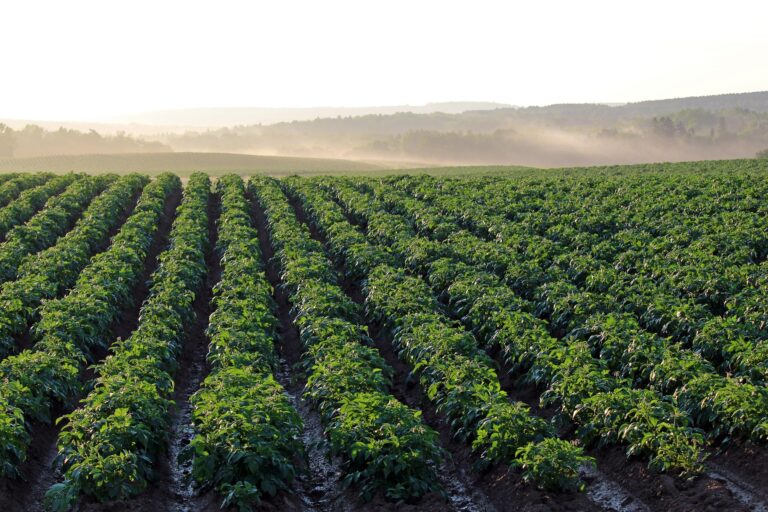
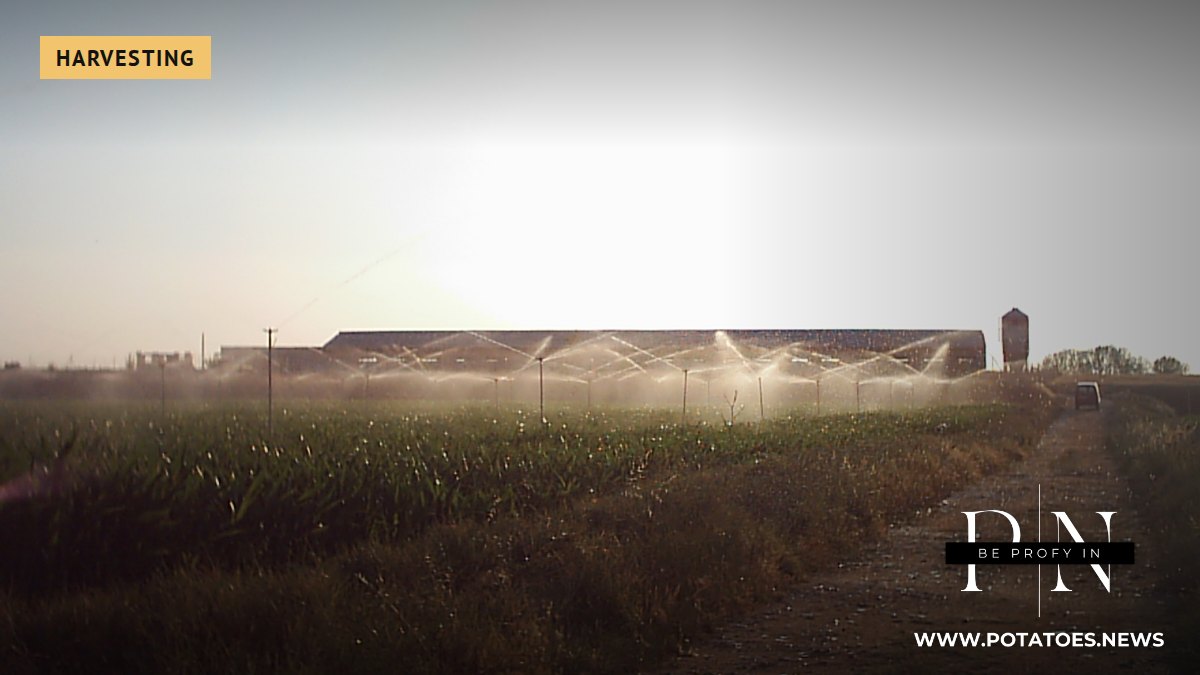
Photo: Irrigated farmland at Morales del Vino, Castilla y León, Spain (illustrative). Catapum / Wikimedia Commons, Public domain