North Macedonia: Potato Area Shrinks 14% in a Decade, but Output Holds Above 170,000 Tonnes
North Macedonia grew potatoes on 11,780 hectares in 2025, 14% less than in 2015. Output stayed between 174,000 and 204,000 tonnes, depending on the source, and EU exports to the country tripled.
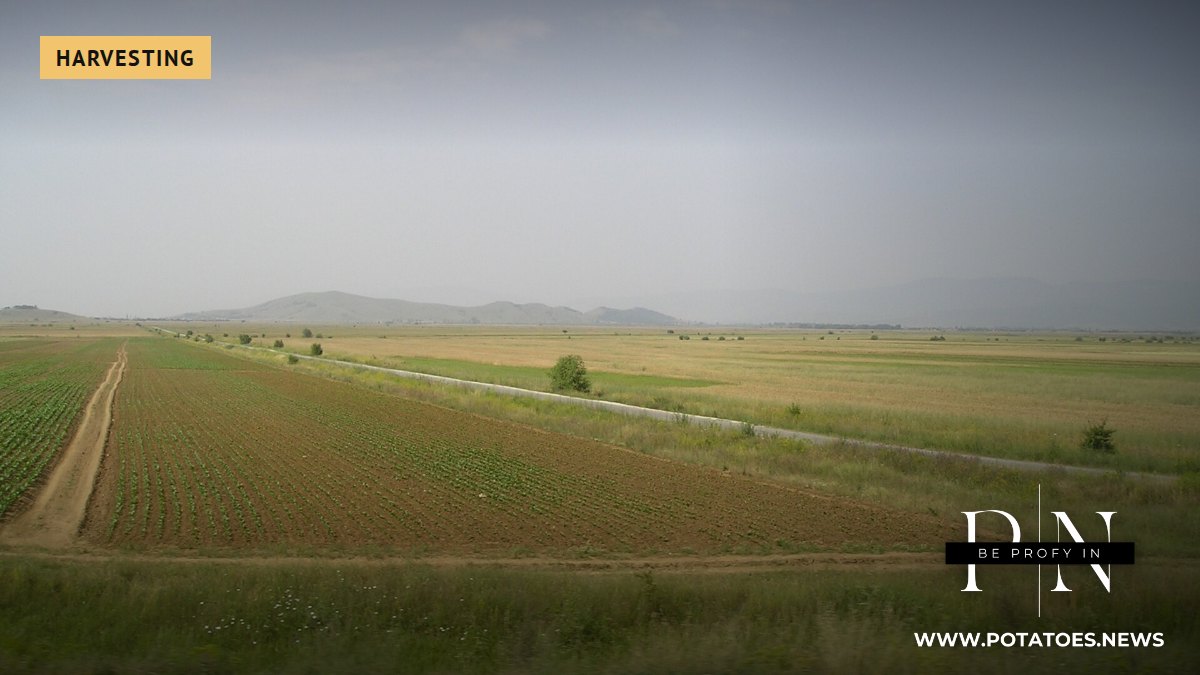
North Macedonia planted potatoes on 11,780 hectares in 2025, according to Eurostat. The State Statistical Office says the potato area is 14% smaller than in 2015, as reported by MKD.mk on 22 September 2026. But output has not fallen in the same way. According to the office, production was 189,408 tonnes in 2015 and 203,758 tonnes in 2025, about 7.6% more.
Two sets of numbers for 2025
Eurostat’s database shows a smaller 2025 crop: 173,920 tonnes, at an average yield of 14.77 tonnes per hectare. For 2024, it lists 200,980 tonnes and a yield of 16.62 tonnes per hectare, the best in the series. The difference for 2025 may come from a revision or a different release date. Both sources agree on the long trend: less land, and output that stays between about 170,000 and 205,000 tonnes a year.
Compared with most of the region, the potato area in North Macedonia is stable. In 2000, it was 14,400 hectares, and the harvest was 164,500 tonnes, Eurostat data show. So the area has fallen by about 18% in 25 years. In Slovenia, the potato area fell by about two-thirds over the same period, and in Bulgaria by more than two-thirds since 2008. For 2026, Eurostat lists 12,640 hectares, about 7% more than in 2025.
Weekdays. Unsubscribe in one click.
Trade with the EU
Yields are still low, at 13–17 tonnes per hectare in most years, and imports rise when the crop is weak. EU trade data for fresh potatoes (HS code 0701) show that EU countries exported 8,601 tonnes of potatoes to North Macedonia in 2025. This was more than three times the 2,594 tonnes of 2024. In 2022, EU exports to the country were 7,951 tonnes. North Macedonia’s potato sales to the EU are very small: about 30 tonnes in 2025.
Why it matters
North Macedonia has kept much more of its potato land than its neighbours. It grows most of the potatoes it needs, and imports from the EU fill the gap in weaker years, as in 2025.
The main weakness is yield. At around 15 tonnes per hectare, it is about half of the level in Slovakia or Luxembourg. For seed and input suppliers, this gap is the main opportunity. For EU exporters, the country is a small market that grows when the local crop falls. The larger 2026 area could reduce import needs again if yields recover.
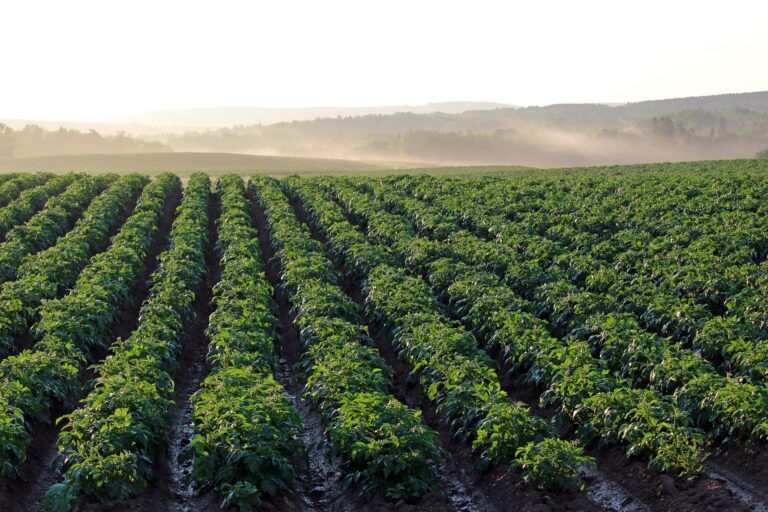
Photo: Farmland of Prilepsko Pole, North Macedonia (illustrative). Македонец / Wikimedia Commons, CC BY-SA 3.0