Russia: Arkhangelsk Farms Dig 13,700 t of Potatoes, 57% of Plan, With Harvest Running to End of October
Arkhangelsk region has harvested about 13,700 tonnes of potatoes, 57.2% of the plan, at 171 c/ha; the region spends 17.5 million roubles on potato and vegetable support.
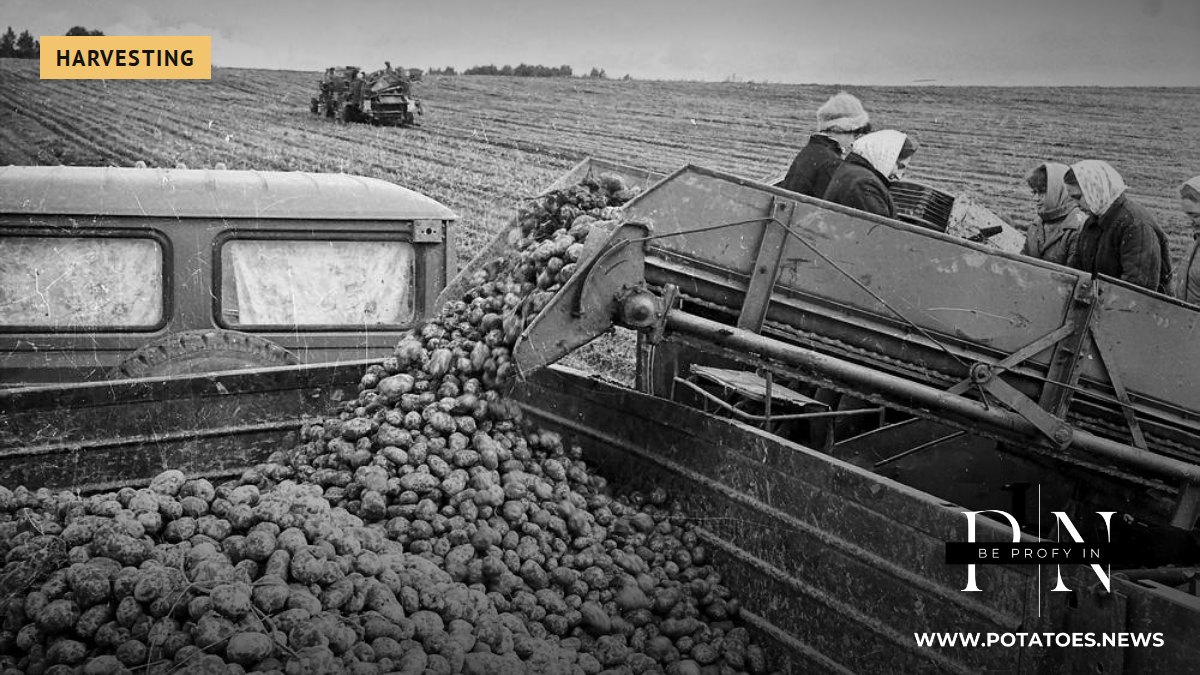
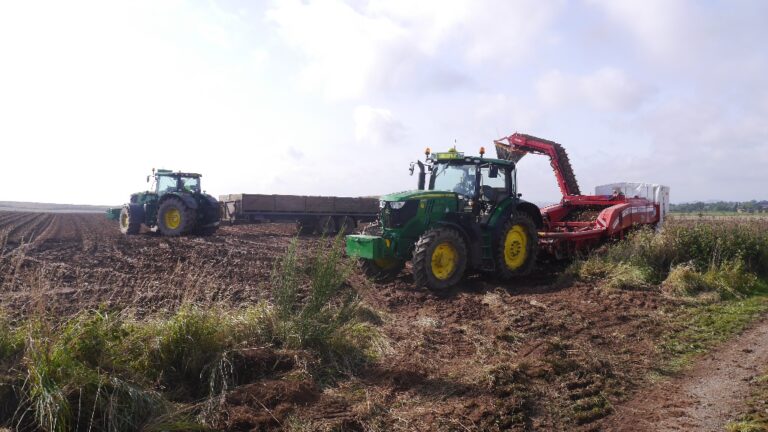
Farms in Russia’s Arkhangelsk region have harvested about 13,700 tonnes of potatoes, or 57.2% of the planned volume, Governor Alexander Tsybulsky said on 29 September 2026. The regional government expects a total of about 23,000 tonnes from the collective sector this year.
Potatoes in the collective sector, meaning agricultural companies and farms, occupy about 1,400 hectares. The average yield so far is 171 centners per hectare, which equals 17.1 tonnes per hectare. Work is going on in nine municipal districts. The governor said the harvest campaign will continue until the end of October.
Farms have also harvested more than 130 tonnes of open-field vegetables, according to the regional government.
Weekdays. Unsubscribe in one click.
Regional support
The region has allocated 17.5 million roubles in 2026 to support potato and vegetable growing. According to the regional government, the money covers four areas: incentives for potato and vegetable production, support for elite seed production, partial compensation of the cost of agrochemicals, and construction and modernisation of storage facilities.
Arkhangelsk is one of the northernmost potato regions of European Russia. The growing season is short and harvest often runs late into autumn. A campaign that lasts until the end of October is normal for the region, but it depends on dry weather. Rain and early frost at the end of the season can slow digging and damage tubers.
The planned 23,000 tonnes is small on a national scale. Russia’s commercial sector produced 8.5 million tonnes in 2025, according to the Potato Union. For northern regions, however, local potatoes matter for food supply, because transport from the south adds cost and time.
Why it matters
The Arkhangelsk figures show how northern Russian regions support local potato supply with small but targeted budgets. The money for elite seed and storage is important. Storage decides whether local potatoes can reach shops in winter and spring, instead of supply from other regions or imports.
With 43% of the planned volume still in the fields at the end of September, the final result depends on October weather. A yield of 17.1 tonnes per hectare is modest compared with the best regions of central Russia, but typical for a cool northern climate with a short season. Buyers in the region should watch progress in October before fixing volumes for the winter.
Photo: Potato harvester at work on a farm in Russia, 1979 archive photo (illustrative). V. S. Spiridonov / Wikimedia Commons, CC BY-SA 3.0