Brazil: Vargem Grande do Sul Winter Potato Harvest 80% Done as Rain Lifts Prices to R$60 per Sack
About 80% of the winter potato crop in Vargem Grande do Sul is harvested. Rain slowed lifting and prices recovered, and some loads went to Argentina. Cepea shows prices easing again in late September.
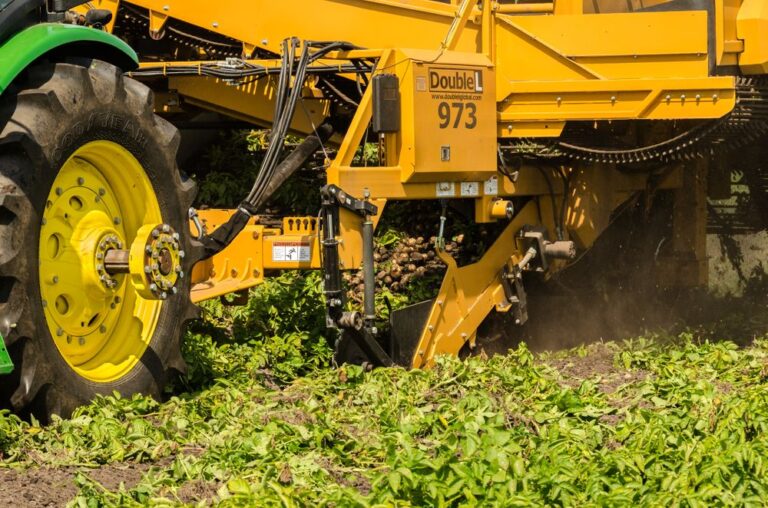
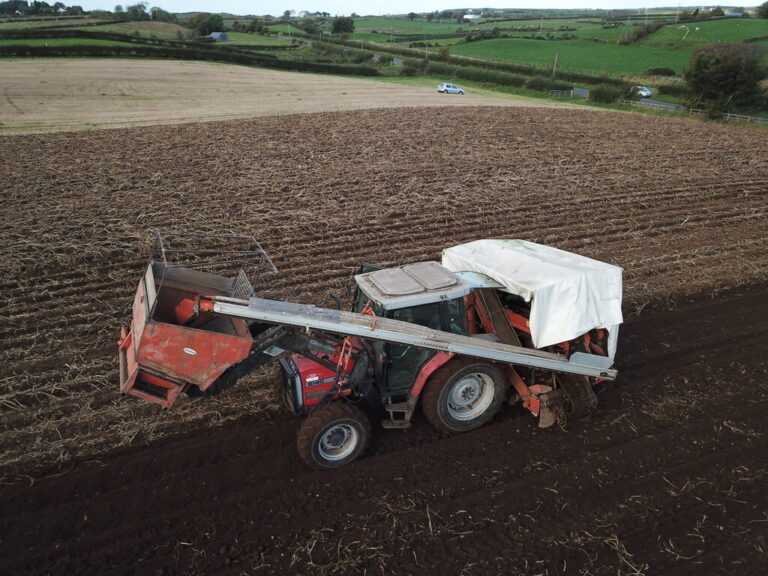
The winter potato harvest in Vargem Grande do Sul, in São Paulo state, is in its final phase, with about 80% of the crop already lifted. Prices have recovered after sharp falls during the peak supply period. The local newspaper Gazeta de Vargem Grande reported this on 21 September 2026, based on checks with the sector on 17 September.
According to the report, growers received about R$60 per 25 kg sack of special-grade potatoes of the Orchestra or Ágata varieties that week. At packing houses, the same sack sold for about R$80 a few days earlier. The industrial variety Atlantic was selling at about R$120 per 50 kg sack, ready at the washing plant. Rain slowed the harvest for some days, which cut supply and helped prices.
The region’s area this year is estimated at 10,500 to 11,000 hectares, with yields close to 40 tonnes per hectare. The remaining 20% of the crop is expected to be harvested by mid-October, possibly until 30 October. Some loads were sent to Argentina in the week before the report, the newspaper said.
Weekdays. Unsubscribe in one click.
Marconi Jesus Andreatto, owner of the Beneficiadora de Batata Santana washing plant, said this season was much better than last year. He called 2025 an atypical and very bad year.
Wholesale prices at the end of September
National data from Cepea/HF Brasil show how fast the market changed. Wholesale prices rose for three weeks in a row until mid-September, as rain limited harvesting. On 18 and 25 September, Cepea reported falling prices, as drier weather raised supply and demand weakened at the end of the month.
On 28 September, special Ágata potatoes sold for R$81.82 per 25 kg sack at the São Paulo wholesale market, R$75.56 in Rio de Janeiro and R$70.00 in Belo Horizonte, according to Cepea. Special Asterix sold for R$80.00 in São Paulo and Belo Horizonte.
Why it matters
With an area of 10,500 to 11,000 hectares and yields near 40 t/ha, the region could produce roughly 420,000 to 440,000 tonnes this season, by our calculation. When rain slows lifting, supply to city markets drops quickly and prices jump. When the weather clears, prices fall again.
Shipments to Argentina show that Brazilian potatoes can also find buyers abroad when prices allow. Growers who still have crop in the field will watch the weather in October.
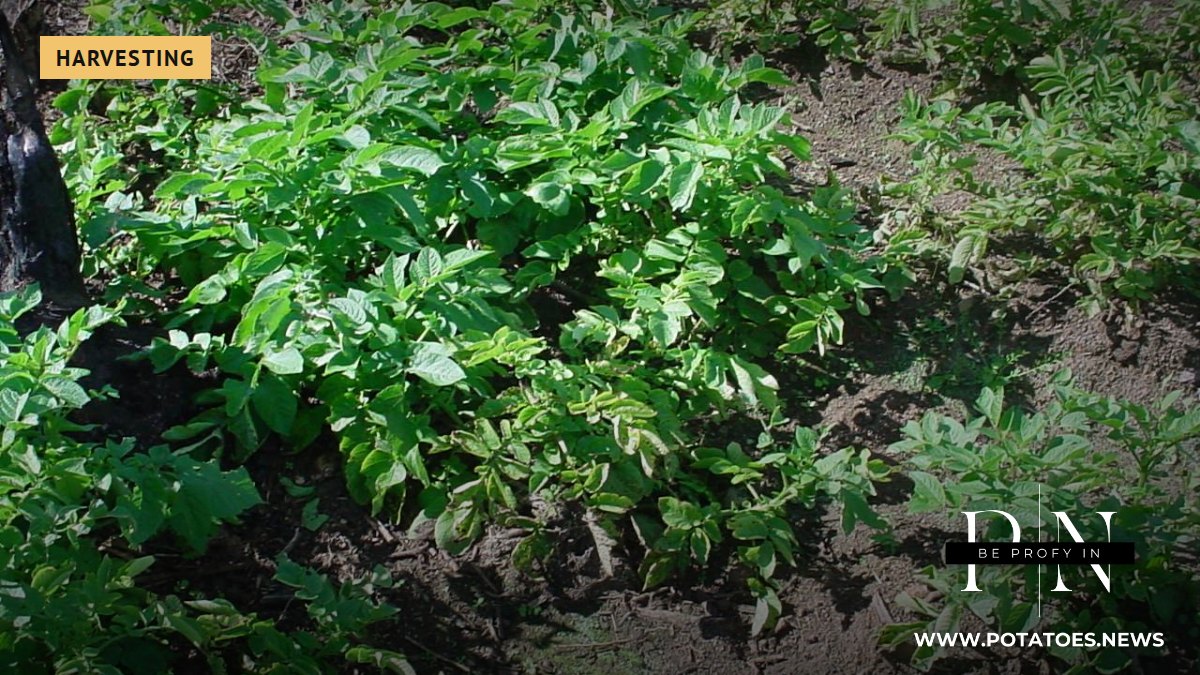
Photo: Potato plantation (illustrative). Ismar Schein at Portuguese Wikipedia / Wikimedia Commons, Public domain