Malta: Potato Exports Fall to 26 Tonnes From 7,200 in 2004 as Harvest Shrinks to 6,800 Tonnes
Malta exported only 26 tonnes of potatoes in 2025, down from 1,411 tonnes in 2021 and 7,200 tonnes in 2004. The 2025 harvest was 6,800 tonnes on 510 hectares, Eurostat data show.
Malta exported just 26 tonnes of potatoes in 2025, according to Eurostat trade data for fresh potatoes (HS code 0701). In 2021, exports were 1,411 tonnes. In 2004, Malta exported 7,200 tonnes, according to National Statistics Office data reported by MaltaToday in 2018.
The harvest has also become much smaller. Eurostat crop data show 6,800 tonnes of potatoes from 510 hectares in 2025, an average of 13.41 tonnes per hectare. In 2024, the crop was 6,910 tonnes. In 2000, Malta grew 29,700 tonnes on 1,800 hectares. Since then, the area has fallen by about 72% and output by about 77%.
From export crop to import market
For decades, the Maltese spring potato was an export product. Reports by MaltaToday and Potato Business named the Netherlands and Germany as the main buyers. The season runs until June, and exports take place between April and May. The yellow-fleshed variety Alpha was the established leader on the Dutch market.
Weekdays. Unsubscribe in one click.
The decline started long ago. MaltaToday, citing the NSO, reported that the potato area fell from 1,100 hectares in 2004 to 700 hectares in 2014. Production fell from 22,783 tonnes to 12,559 tonnes, and exports from 7,200 tonnes to 3,100 tonnes. Growers said high costs made the crop hardly worth the effort. An EU support programme worth €22 million over ten years ended in 2014.
Today, imports are almost as large as the local harvest. Eurostat trade data show imports of 6,144 tonnes in 2025 and 5,843 tonnes in 2024. In 2019, imports were 4,903 tonnes. Export volumes fell sharply after 2021: to 302 tonnes in 2022, 203 tonnes in 2023 and 47 tonnes in 2024.
Why it matters
Malta’s potato export trade, once a known niche in Northern Europe, has almost disappeared. The island now grows potatoes mostly for its own market and imports about as much again.
For Dutch and German buyers of early potatoes, Malta is no longer a real source of supply. For Maltese growers, the local market is the main outlet. With only about 500 hectares left, the sector is small, and its future depends on local demand for fresh Maltese potatoes and on keeping production costs under control.
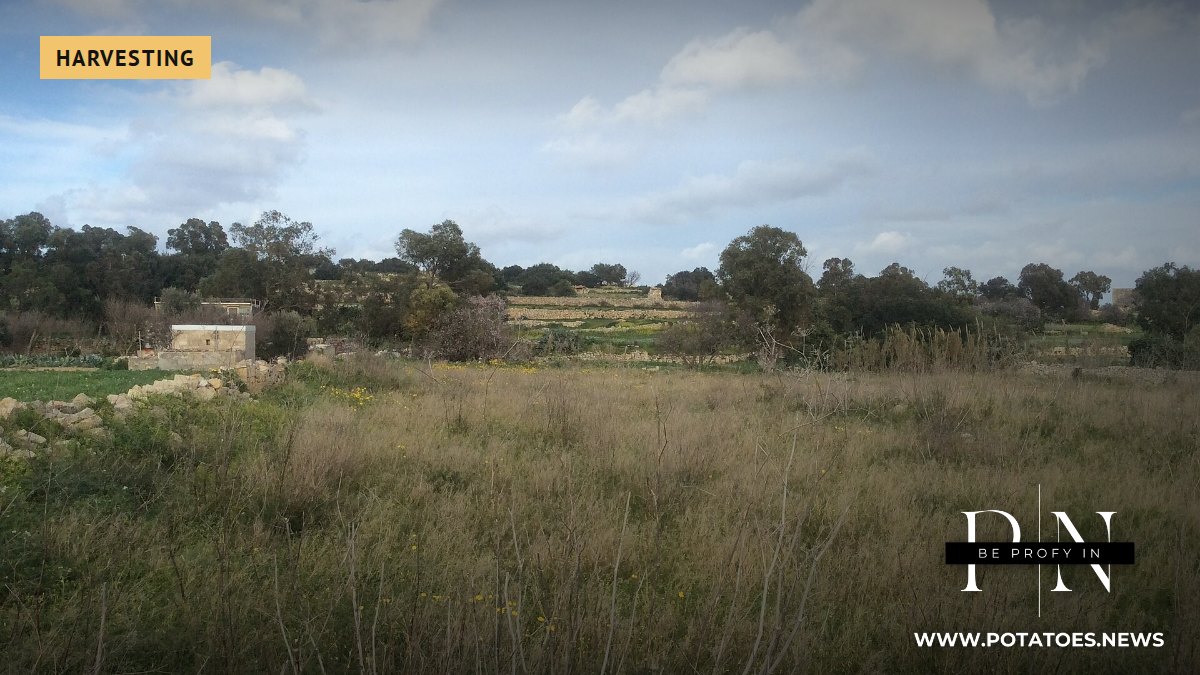
Photo: Farmland at Zejtun, Malta (illustrative). Continentaleurope / Wikimedia Commons, CC BY-SA 3.0