Heavy autumn rain is slowing the potato harvest in Latvia. Vegetable farms in the Zemgale region told public broadcaster LSM on 29 September that the harvest is about 12 days behind schedule. Some fields are too wet for machinery. Potatoes lifted from wet soil are very wet, which makes storage more difficult.
The farms said overall vegetable yields are good this season. But potato prices are lower than last year, while onion prices are higher. One farm manager said Latvian growers compete with Lithuanian and Polish producers and that buyers only look at price, not quality or origin.
The problem is not new this month. On 13 September LSM reported that many fields had standing water. Aiga Kraukle, chair of the Latvian Potato Growers and Processors Union, said the problem affects Zemgale, all of Vidzeme and even the area around Riga. One farmer reported about 30% lower yield than last year because of tuber cracking and weather swings. Kraukle said shops will have fewer Latvian potatoes on the shelves.
Area and prices
According to an earlier LSM report from August, Latvian farmers planted about 7,200 ha of potatoes in 2026, down from 7,600 ha in 2025. At that time growers expected yields of about 30 tonnes per hectare. Wholesale prices were only 15 to 16 cents per kilogram, while large growers said they need at least 20 cents. Early potatoes sold for about €1/kg.
In neighbouring Lithuania, a grower in Marijampolė municipality told Suvalkietis that his yields were 30 to 40 tonnes per hectare and that prices were the same as last year. He also said heavy rain raised concerns about storage quality.
Why it matters
The Baltic states had better growing weather than western Europe this summer, but the wet harvest can reduce the share of potatoes that store well until spring. Wet tubers are more likely to rot in storage.
Low wholesale prices and strong competition from Lithuania and Poland limit farm income. If more of the crop is lost in storage, Latvia may need more imports later in the season, at a time when prices in western Europe are high.
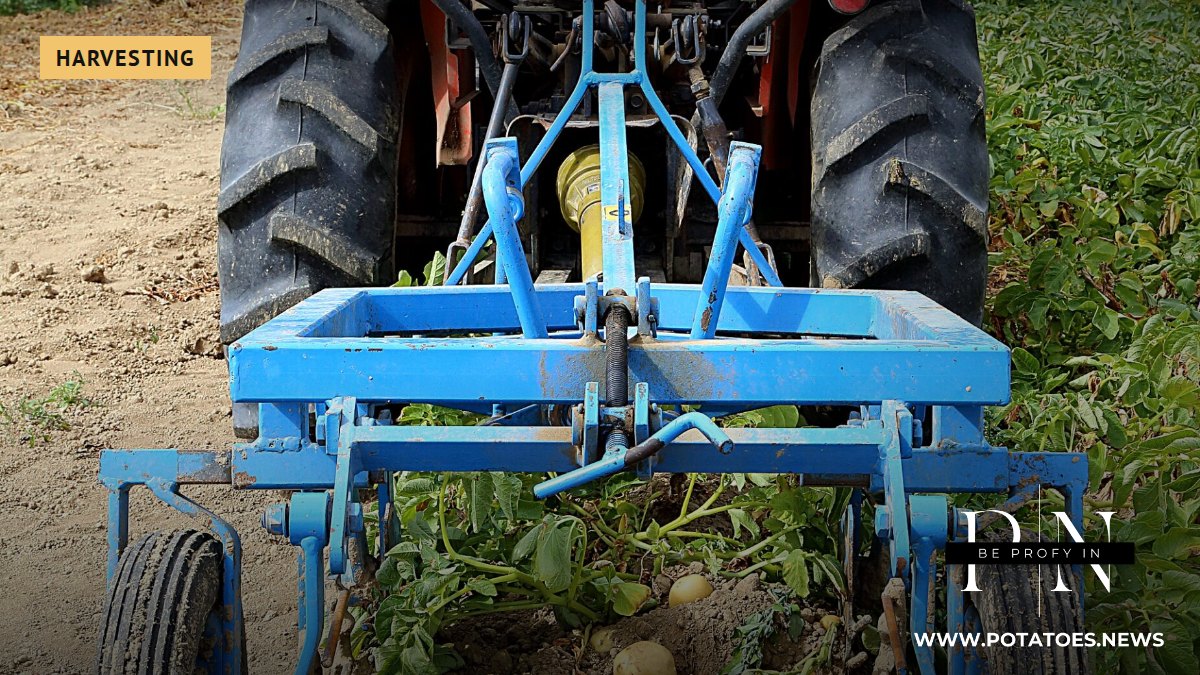
Photo: A potato harvester working in a field (illustrative). Jamain / Wikimedia Commons, CC BY-SA 4.0