Portugal: Irrigated Potato Output Seen Up 10%, Rain-Fed Crop Down 15%
Portugal's statistics office INE expects irrigated potato production to rise by 10% in 2026, while the rain-fed crop falls by 15%. Retail potato prices were 7.9% higher than a year earlier in July–August.
Portugal’s potato harvest is almost finished, and the result depends on water. The national statistics office INE expects production of irrigated potatoes to rise by 10% compared with last year. Production of rain-fed potatoes is expected to fall by 15%. The figures come from INE’s agricultural forecasts as of 31 August 2026. They were published in the September 2026 monthly bulletin on agriculture and fisheries and reproduced in the weekly bulletin of the feed industry association IACA for 15–21 September.
According to the forecast, the spring and summer crops developed well overall. This was despite high temperatures during most of August and rain at the end of the month. INE forecasts a 5% rise in the yield of irrigated grain maize. Yields of processing tomatoes, rice and sunflower should be similar to last year. Fruit also looks good: pears +20%, almonds +40%, kiwi +10% and peaches +30%. The yield of wine grapes is expected to rise by 12%.
Prices in the shops
Consumer prices for potatoes were higher than a year earlier. The government’s agri-food price observatory reports an average retail price of €1.26 per kg for the four weeks from 13 July to 9 August 2026. A year earlier the price was €1.17 per kg. This is an increase of 7.88%. Compared with the previous four-week period (€1.30 per kg), the price fell by 3.23%. The observatory publishes averages for four-week periods, so the September data are not yet available.
Weekdays. Unsubscribe in one click.
The Portuguese picture is different from north-western Europe. There, the growers’ group NEPG expects the 2026 crop in Belgium, the Netherlands, France and Germany to fall by about 25% because of drought, heat and a smaller planted area.
Why it matters
The split between irrigated and rain-fed fields shows that access to water now decides the size of the crop. Growers with irrigation expect more potatoes than last year, while dry-land growers lose a large part of their harvest. A much smaller crop in north-western Europe can also make any potatoes bought from abroad more expensive during the winter.
For retailers and packers, the 7.9% rise in shop prices by early August is an early signal. Final production data from INE will show whether the higher irrigated output can balance the loss on rain-fed land.
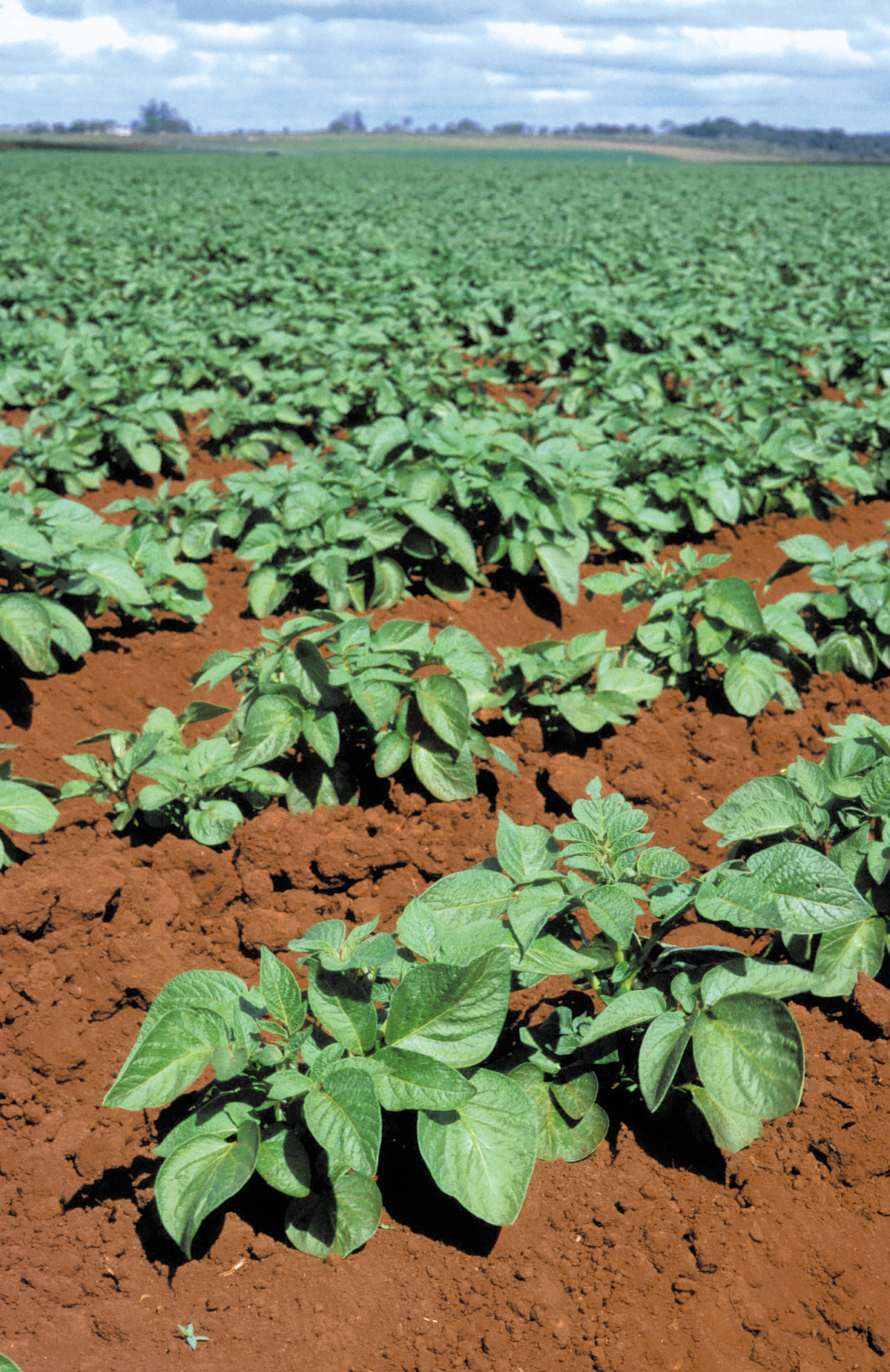
Photo: A potato crop on a farm (not Portugal) (illustrative). Willem van Aken, CSIRO / Wikimedia Commons, CC BY 3.0