Stores Are Full: How to Build a Potato Clamp That Holds the Crop Until Space Frees Up
When the harvest outruns storage capacity, a field clamp can buy time instead of selling at the seasonal low. FAO guidance and classic clamp design show where the limits are: size, cover, ventilation and temperature control.
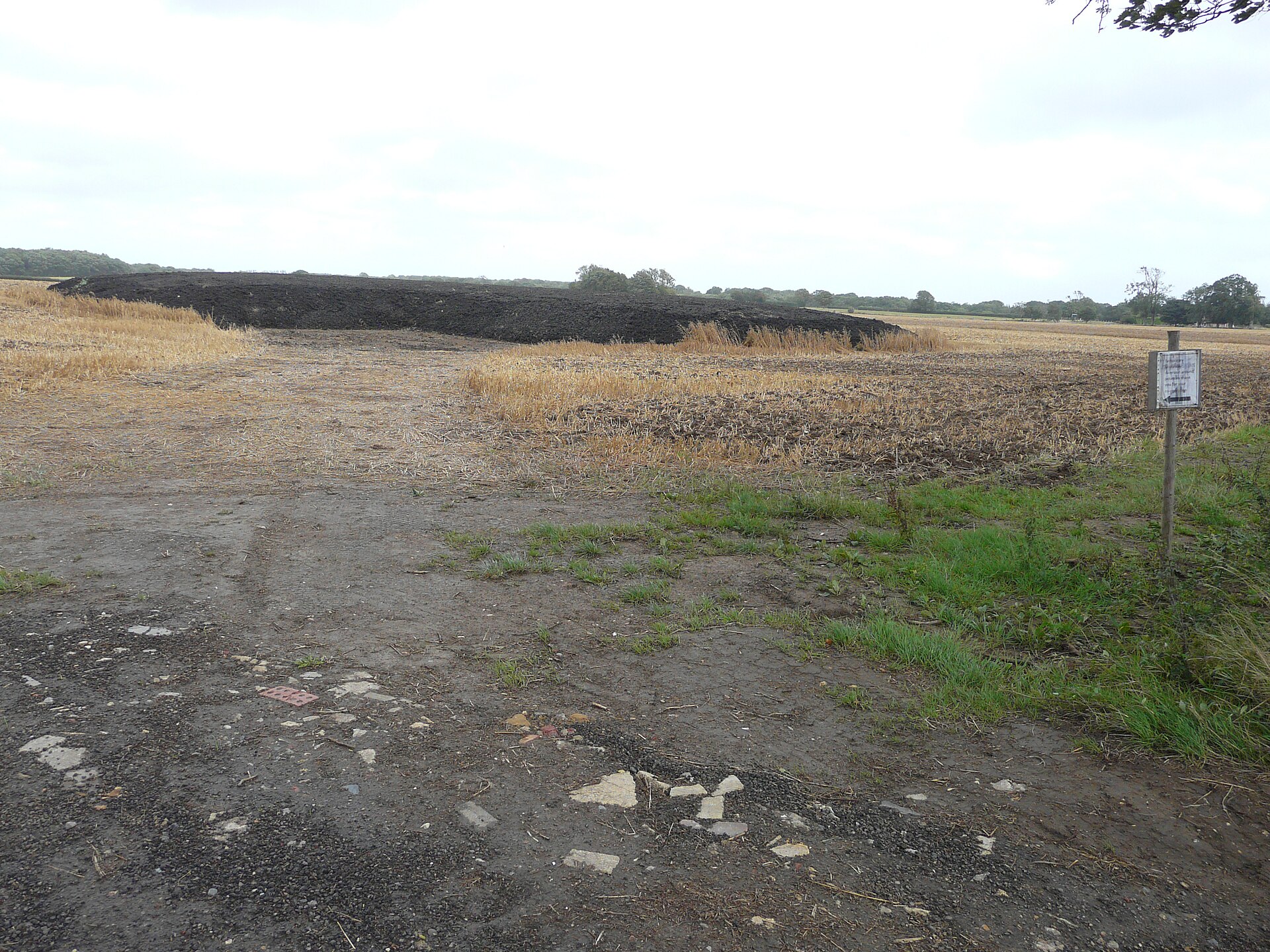
In a high-yield season the harvest often outruns storage capacity. When the stores are full and half the area is still in the ground, a farm has two options: sell straight from the field at a price that usually sags at peak harvest, or put part of the crop into temporary field clamps. The second option is far cheaper than building, but it forgives fewer mistakes. A clamp keeps potatoes only as well as it is built and watched.
A clamp is a temporary solution
In its guide to farm structures, the Food and Agriculture Organization of the United Nations (FAO) describes the simplest field clamp: potatoes are piled on the ground in a long row, covered with 150–200 mm of straw or coarse grass, and then with soil dug from around the pile. According to FAO, such a clamp is not likely to be satisfactory for more than a month or two unless soil temperature stays near 10 °C and night air temperatures are 10 °C or lower. The main conclusion for a farm is simple: a clamp is a buffer until store space frees up or the crop is sold, not a replacement for a store.
Site and size
Classic Russian field-storage practice, as set out in university courses on potato and vegetable storage, gives clear parameters:
Weekdays. Unsubscribe in one click.
- clamp width 1.5–2 m, height 1–1.5 m, length up to 15–20 m;
- a dry site, with groundwater no closer than 2 m to the bottom of the pit;
- drainage ditches about 0.5 m from the cover, so rain and meltwater do not run under the clamp.
A narrow, low clamp sheds heat faster. In a wide heap the heat of tuber respiration has nowhere to go, and the centre starts to warm up.
Cover in two stages
The same day the potatoes are laid, they are covered with a thin layer of soil against sun, wind and the first frosts. The main winter cover is built up gradually as the weather cools: straw and soil alternate in two to four layers. Straw insulates, soil protects against wind and rain. Rushing to a thick cover in warm weather is risky: potatoes sealed in at positive temperatures begin to heat.
Ventilation and temperature control
Under the same design the clamp gets through-ventilation: cold air enters through a bottom horizontal channel of about 0.2 × 0.25 m, and exhaust pipes are set every 3–4 m. Temperature is watched with thermometers placed in the base and in the ridge of the clamp: daily in autumn, two to three times a week in winter. The final cover goes on when the temperature inside falls to 3–4 °C; at 1 °C extra insulation is needed.
FAO highlights two further practical threats: rodents (wire mesh around the base is recommended) and daytime overheating, where shade helps for covered clamp designs.
What to put in a clamp
The clamp should get the healthiest, most mature lots with well-set skins. Potatoes lifted from wet soil, with mechanical damage or signs of rot, are better sold first or sent to a store with forced ventilation: in a clamp a rot hotspot is much harder to spot and stop.
Why it matters
When stores fill up before harvest is over, the decision about the rest of the crop is taken within days and hits revenue directly. A well-built clamp lets a farm avoid selling everything at the lowest point of the price curve and buys time. A mistake in building it — a wide heap, a wet site, a sealed cover in warm weather — turns that saving into losses.
See also: Potatoes Harvested in the Rain: How to Dry the Crop and Keep It in Storage.
Photo: A potato clamp in an English field (illustrative). John Baker / Wikimedia Commons, CC BY-SA 2.0