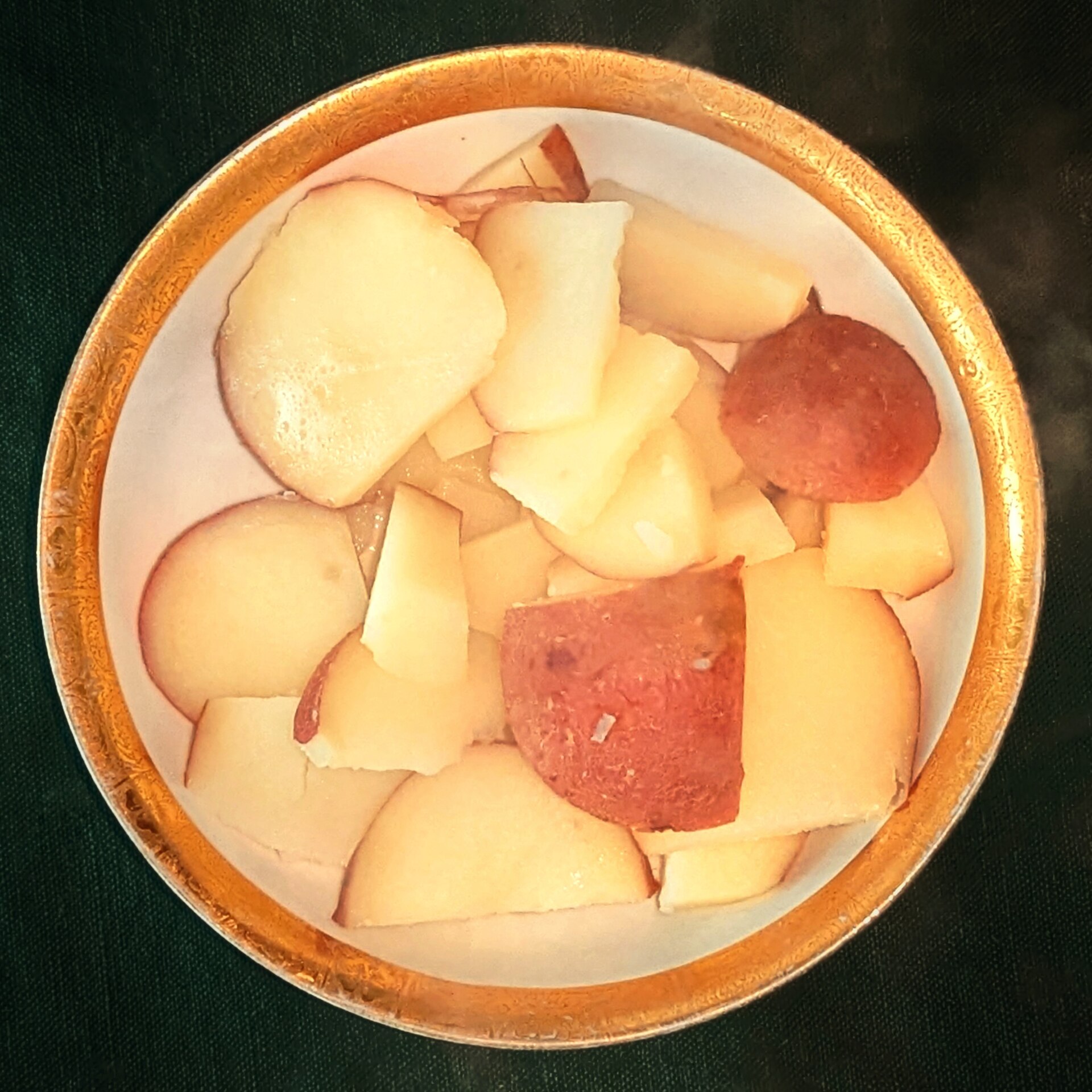
After-cooking darkening depends on the balance of chlorogenic and citric acid in the tuber. Variety matters most, but soil, nutrition and storage time can turn a good crop into a spring discount.
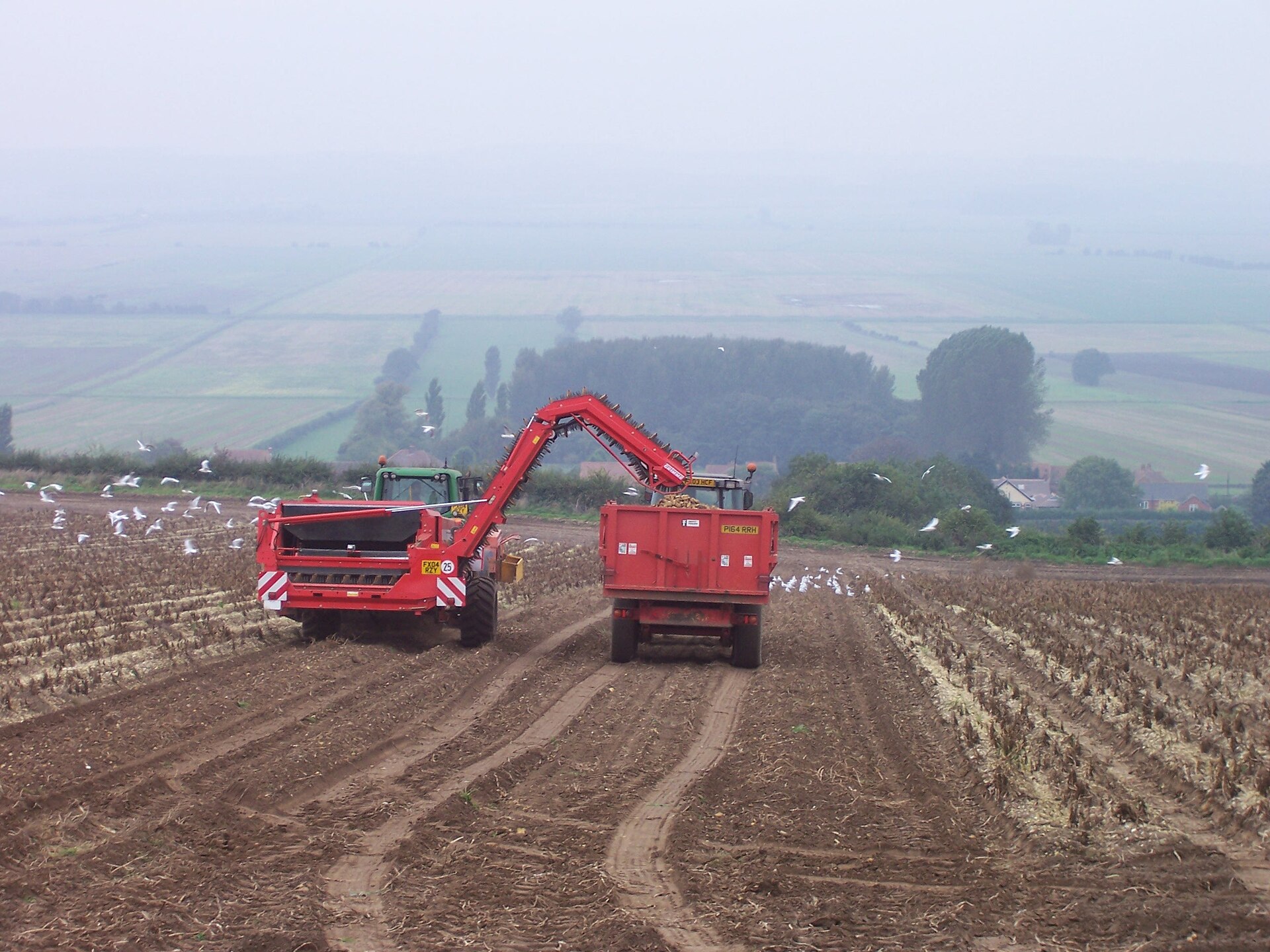
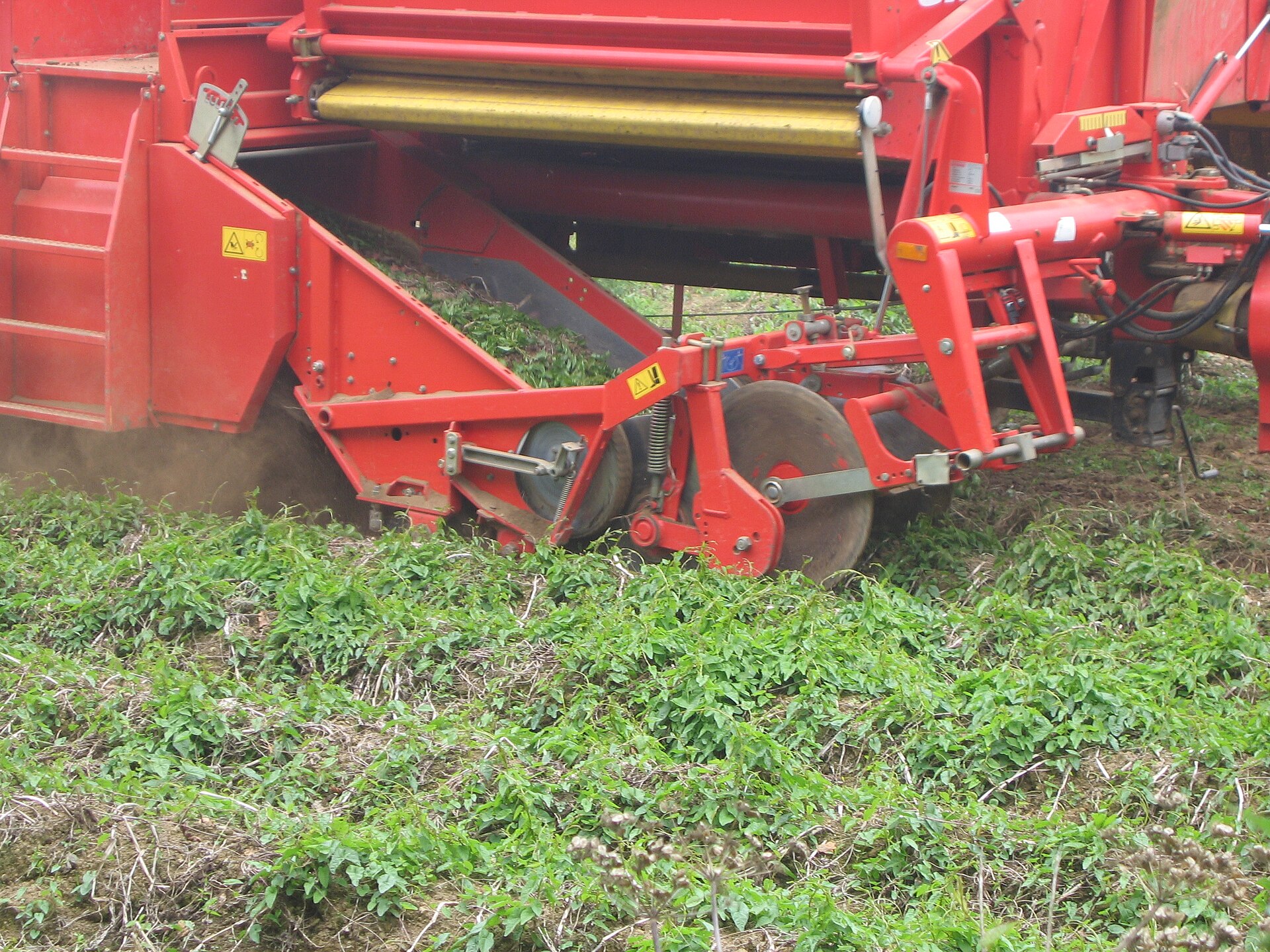
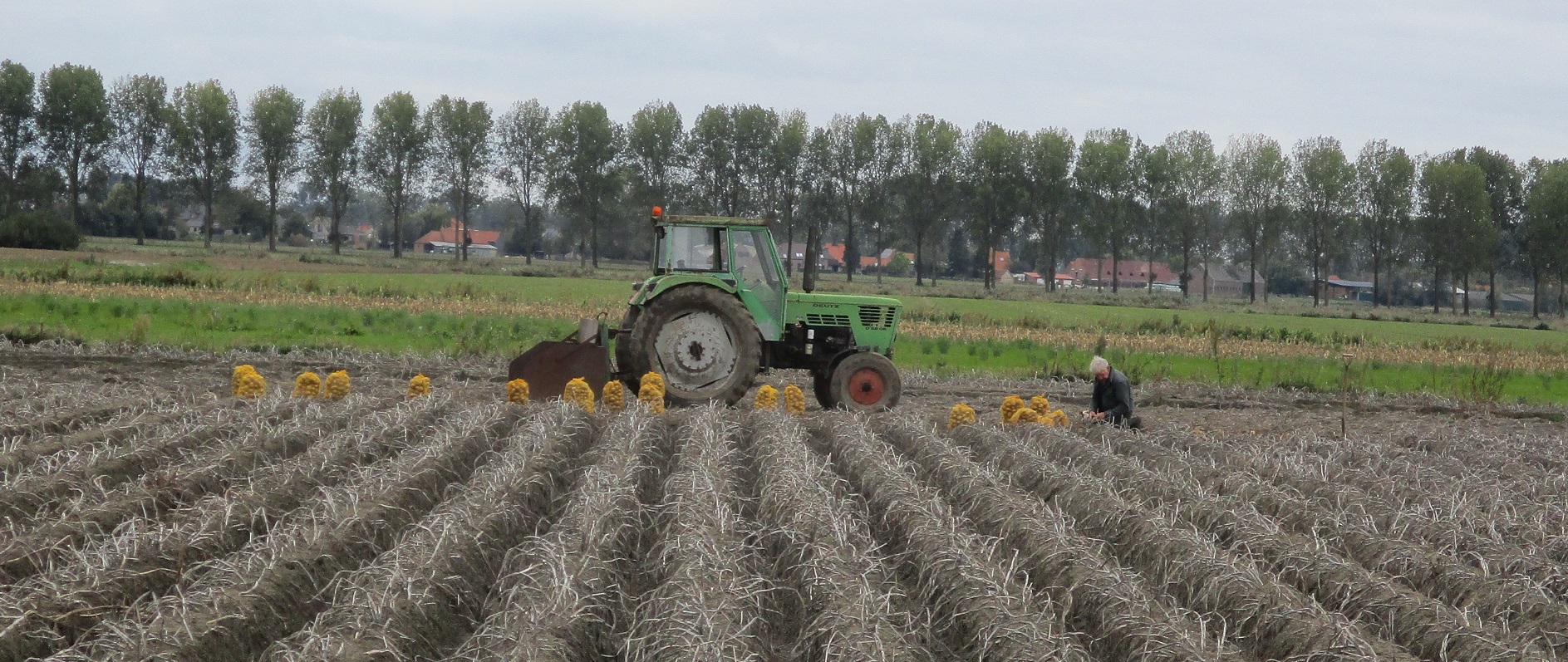
Without a haulm topper or with the weather closing in, many growers lift potatoes under still-green foliage. Extension research on skin set shows where this is acceptable and why such lots need separate handling in storage.
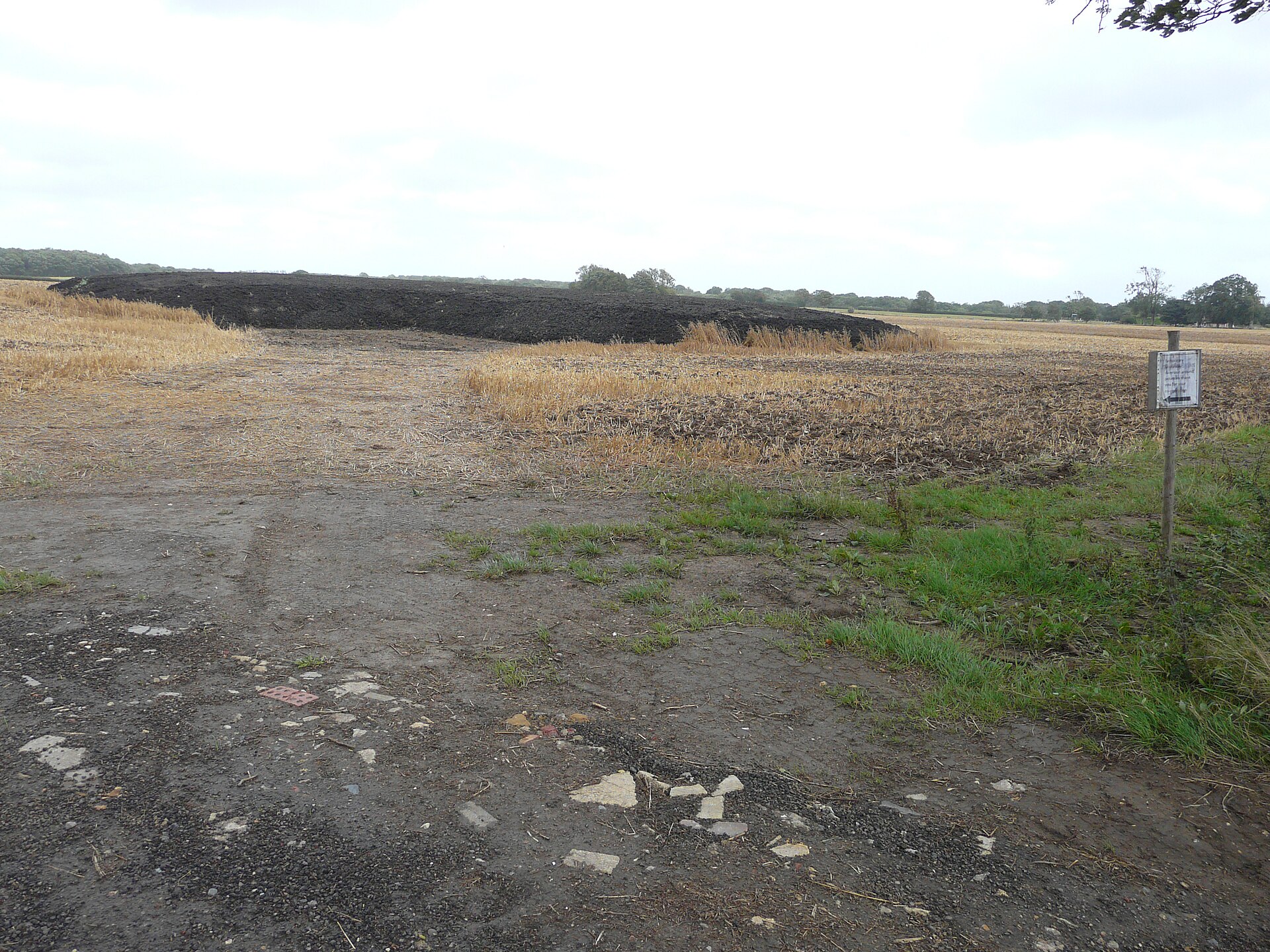
When the harvest outruns storage capacity, a field clamp can buy time instead of selling at the seasonal low. FAO guidance and classic clamp design show where the limits are: size, cover, ventilation and temperature control.
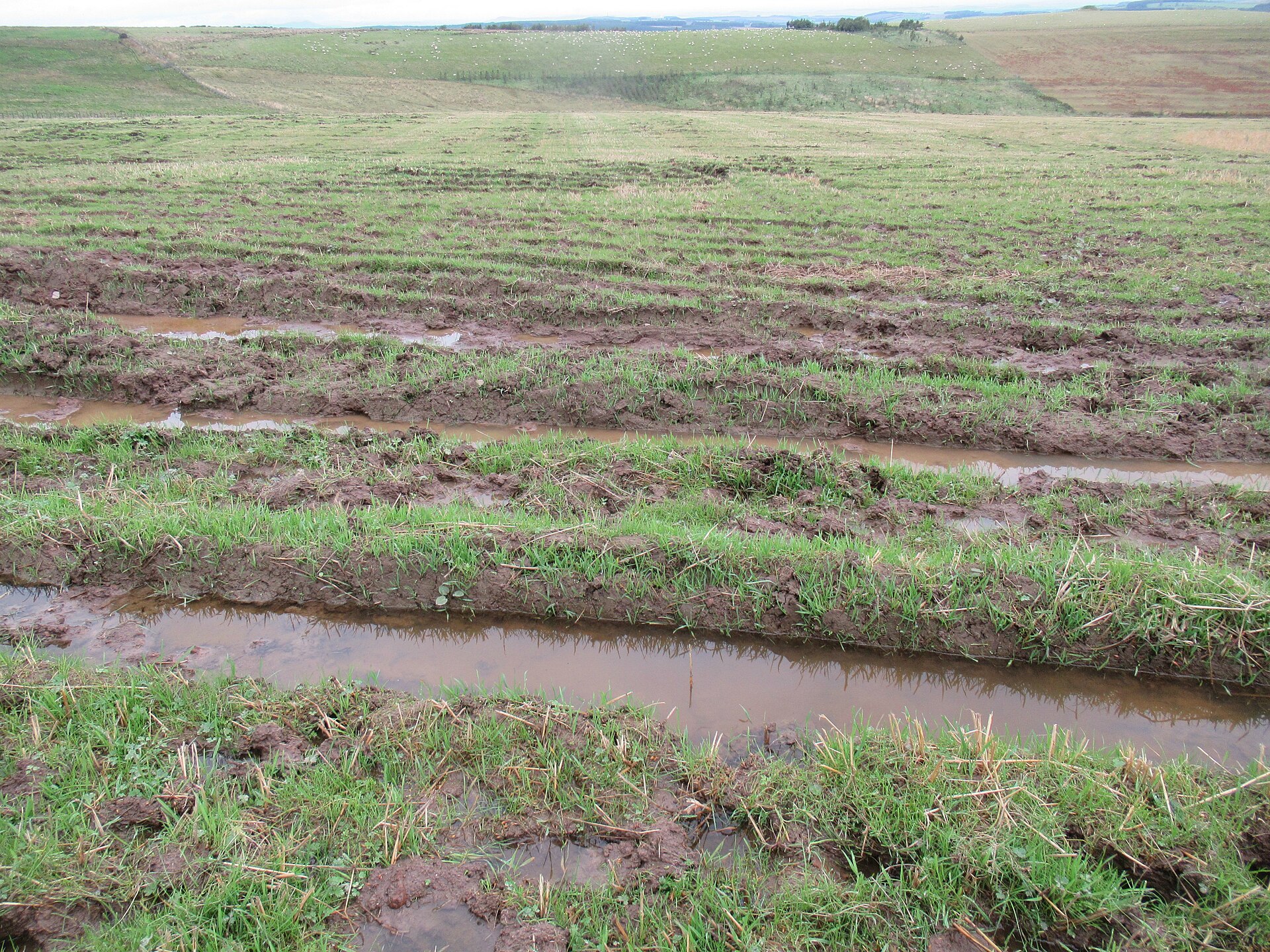
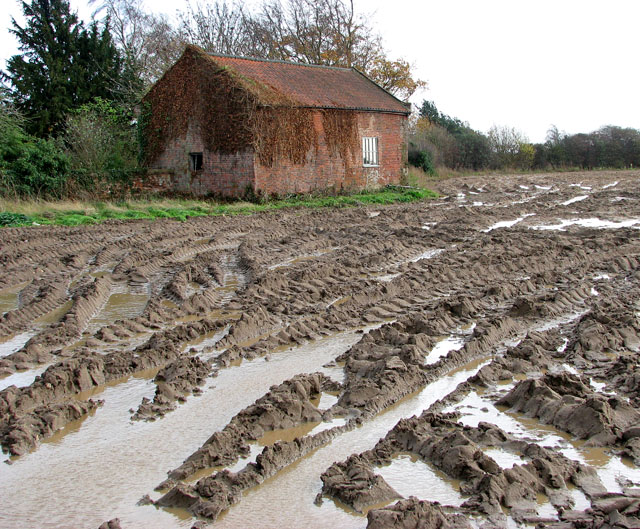
Digging in waterlogged fields saves this season's crop but leaves compacted soil for the next one. AHDB data show compaction can cut potato yields sharply, while subsoiling pays off only where the problem is confirmed.
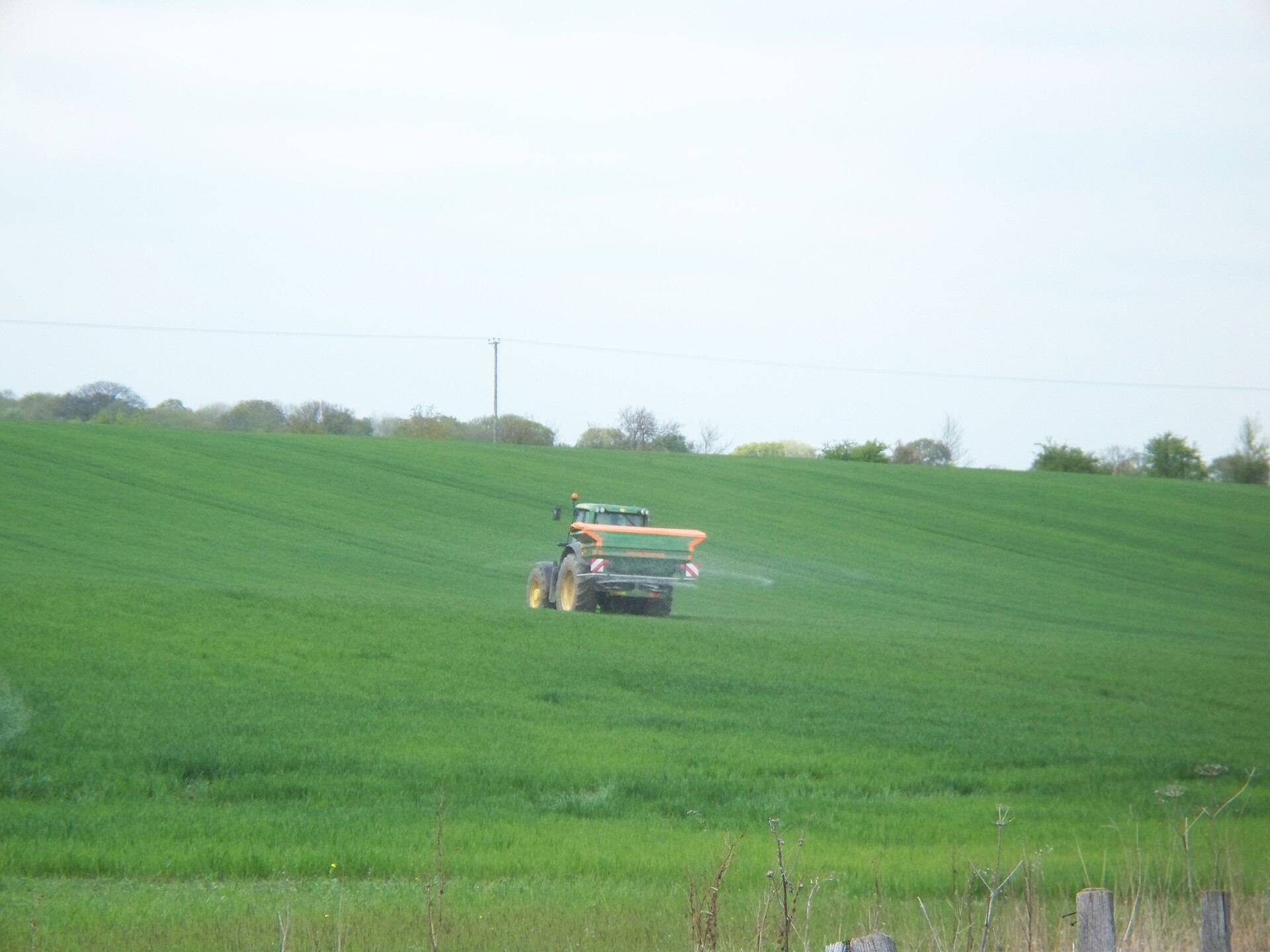
Autumn is a convenient time to put down potash for next year's potatoes. Applying potassium chloride months before planting lets chloride leach below the root zone, so growers keep the cheap fertiliser without losing dry matter.
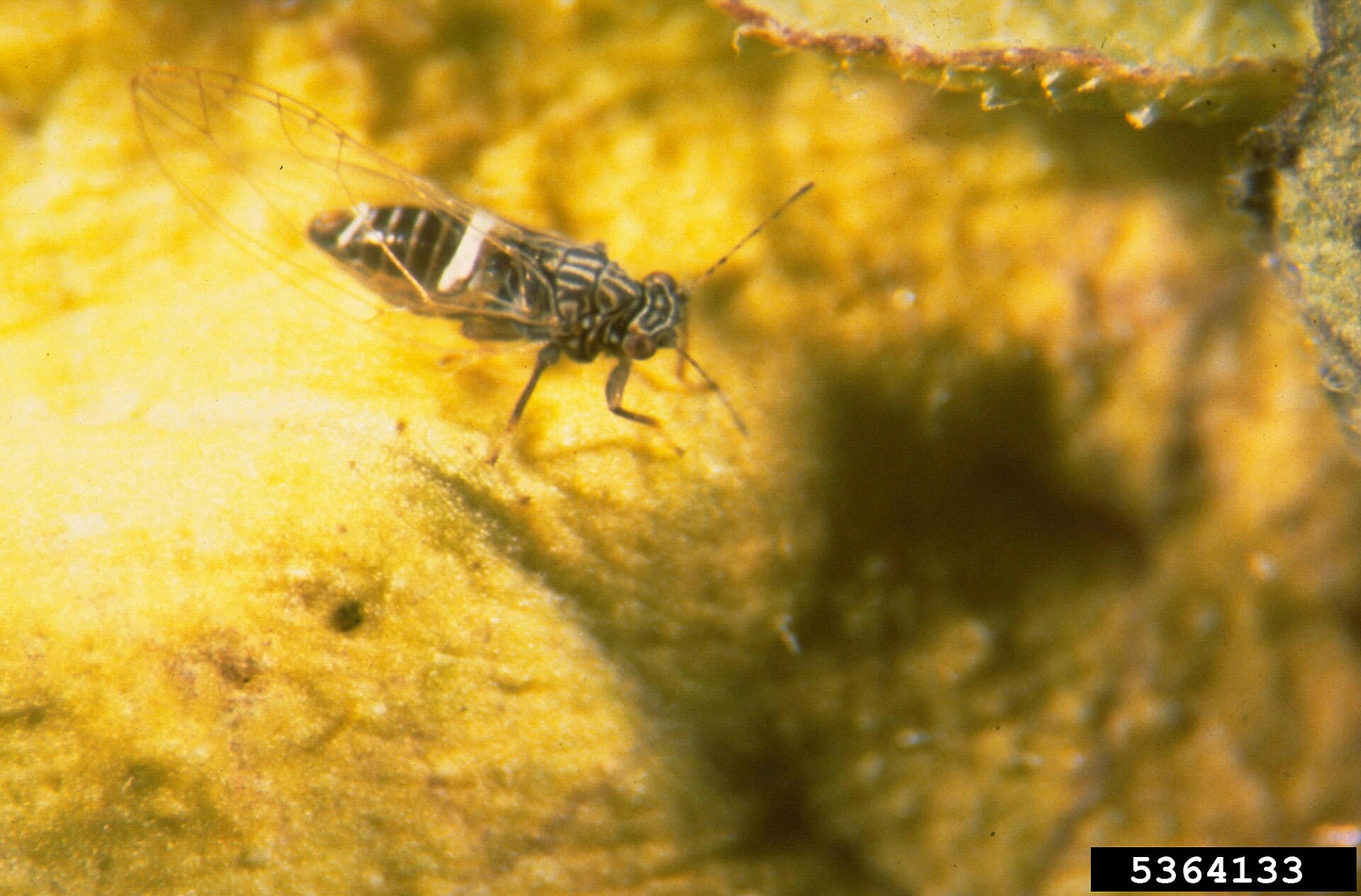
Zebra chip has no resistant commercial variety, so control depends on the psyllid that carries it. Extension data show how temperature, feeding time and spray rotation shape the risk.
Two Midwest extension services publish almost the same petiole sap nitrate targets for irrigated Russet Burbank. The ranges fall by about half at each growth stage, and early uptake matters most.
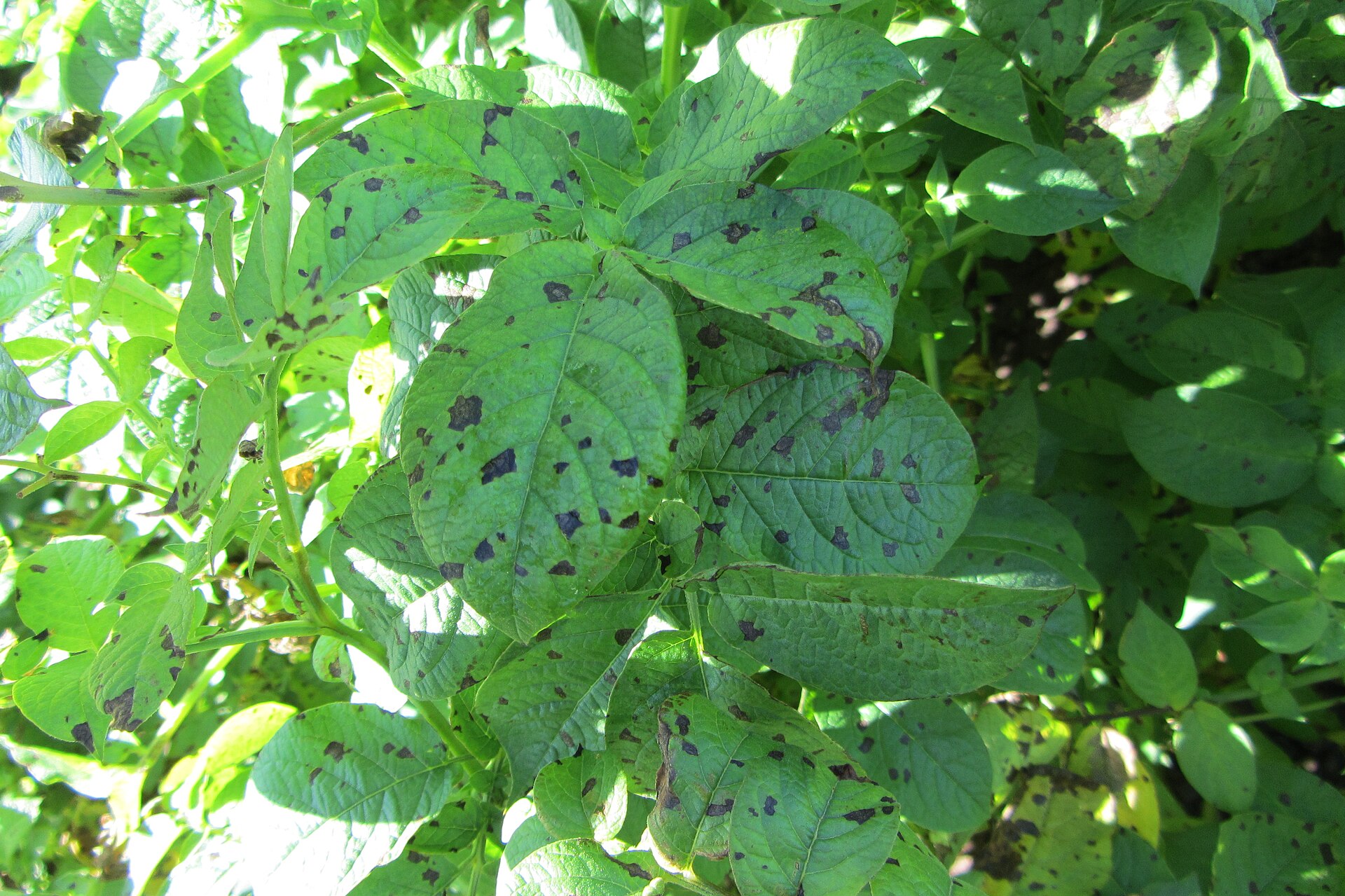
Field and laboratory work in Sweden shows how fast Alternaria solani can escape SDHI fungicides. In Wisconsin, specialists start early blight sprays at 300 P-days and report strong strobilurin resistance.
A six-year Czech survey of 69 beetle populations found no population fully sensitive to a common pyrethroid. Extension advice is to rotate insecticide groups by beetle generation, not by brand.
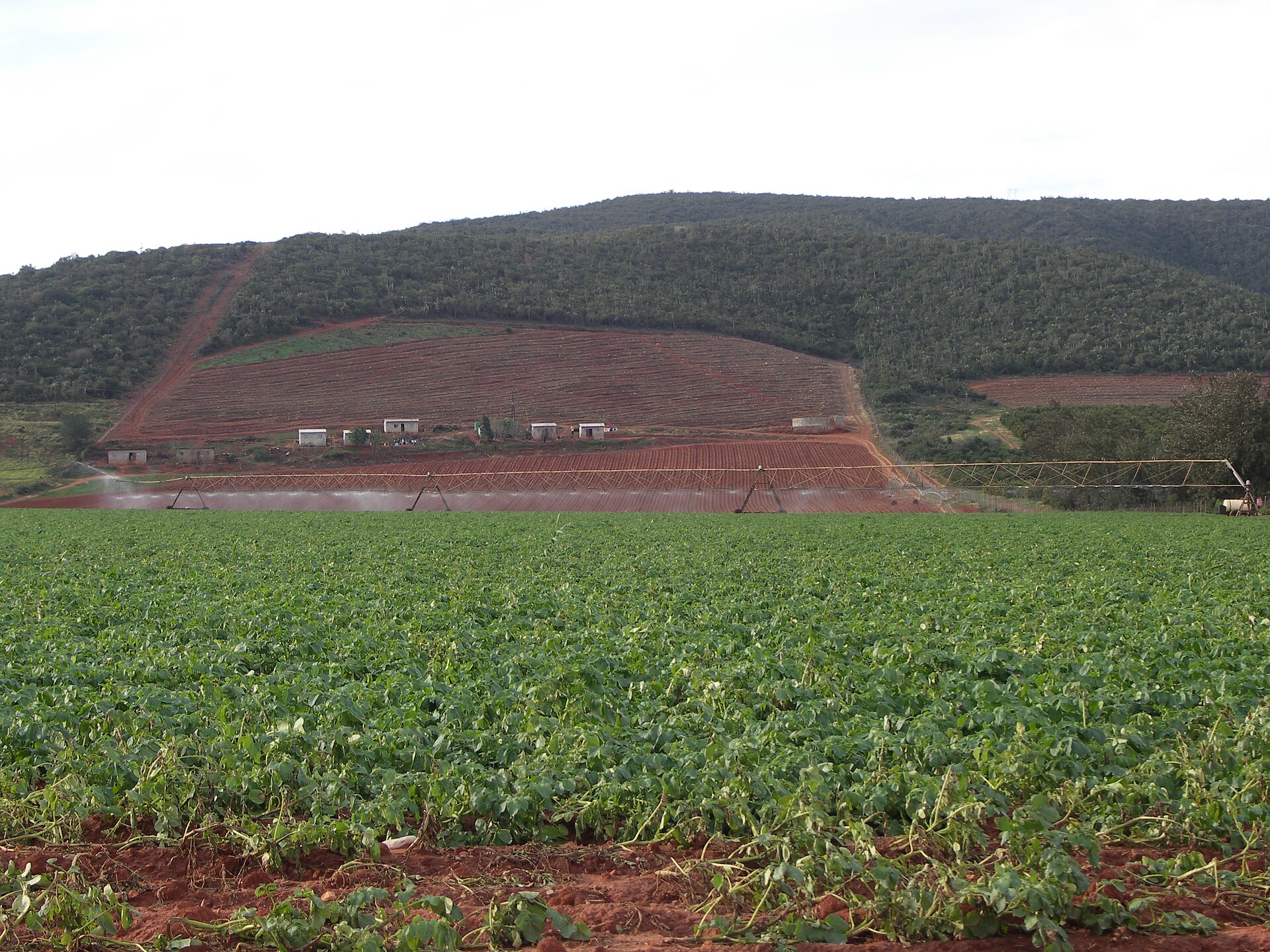
For growers now planting in the Southern hemisphere, the scab decision comes a few weeks after emergence. Irrigation research from the UK and North Dakota shows a short window when moist soil protects young tubers.
Cameroon has built a highland potato crop in the West and North-West regions. Output has grown strongly, but official guidance shows farm yields far below what local varieties can deliver, and seed remains the main bottleneck.
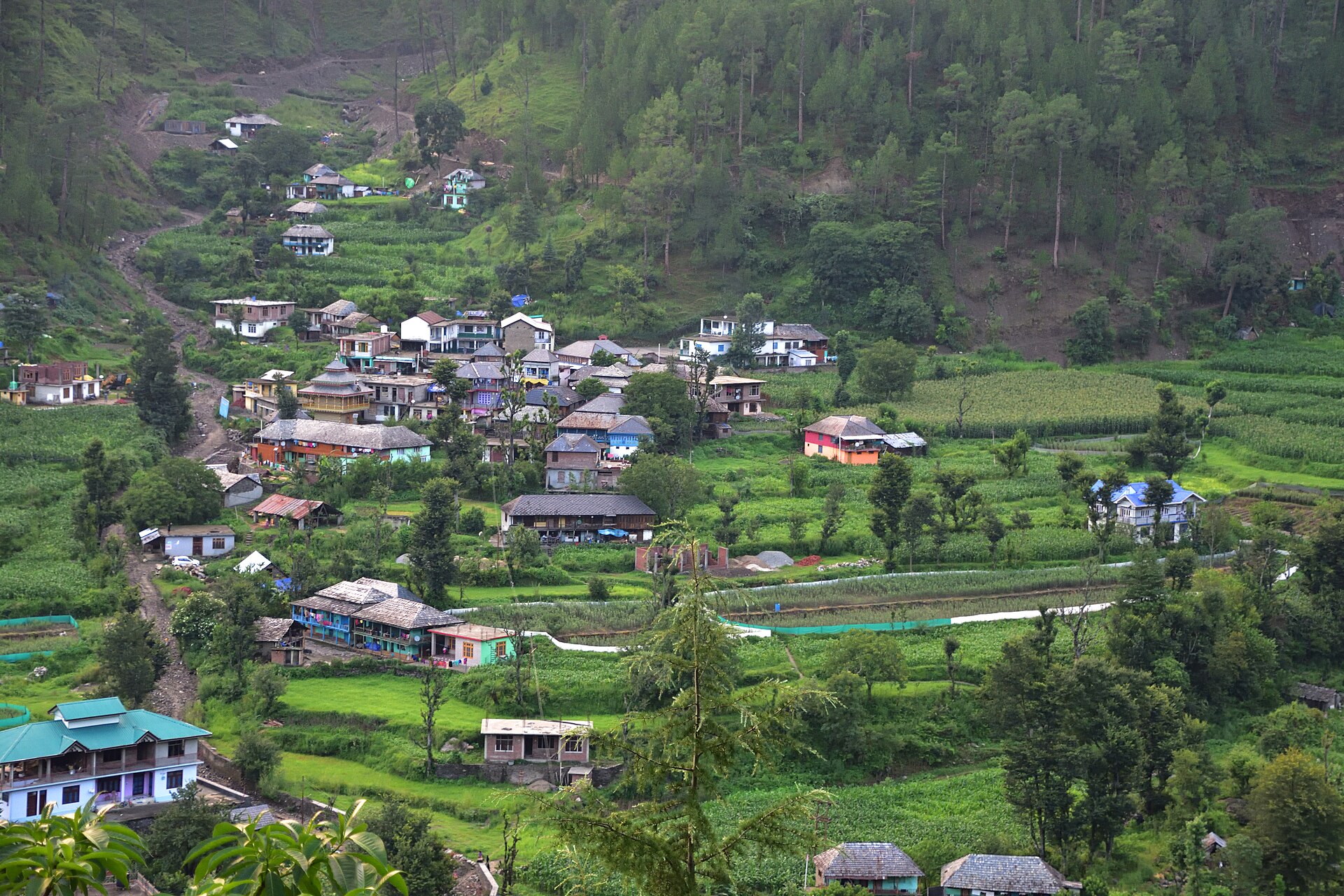
A survey of 200 growers in the hill district shows seed as the largest cost item. Net return reached ₹159,654 per hectare, and larger farms produced each quintal more cheaply.
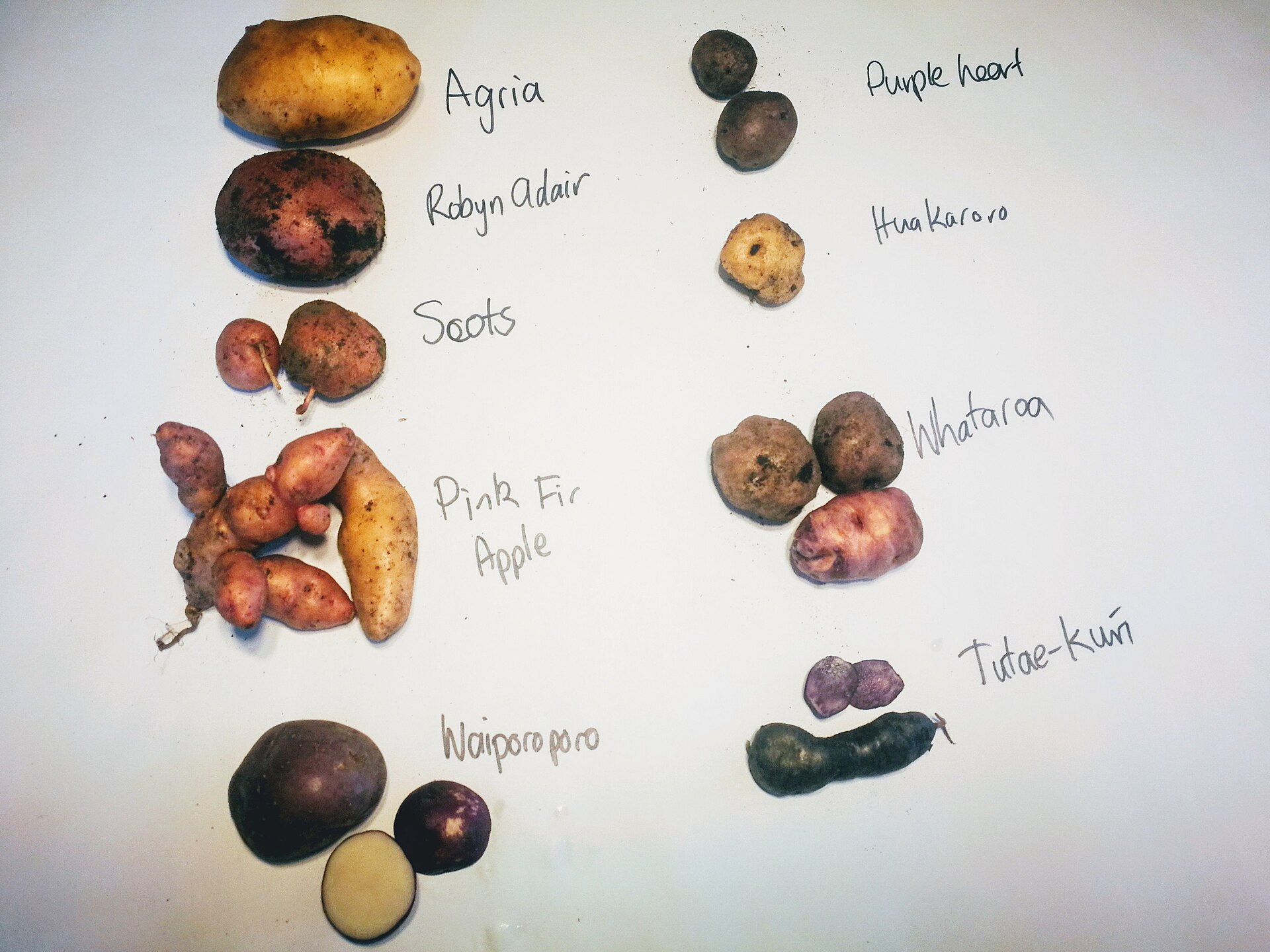
Processing takes more than half of the potato crop in New Zealand. As growers prepare for a drier El Niño spring and summer, irrigation, storage and market development are the main tests for the sector.
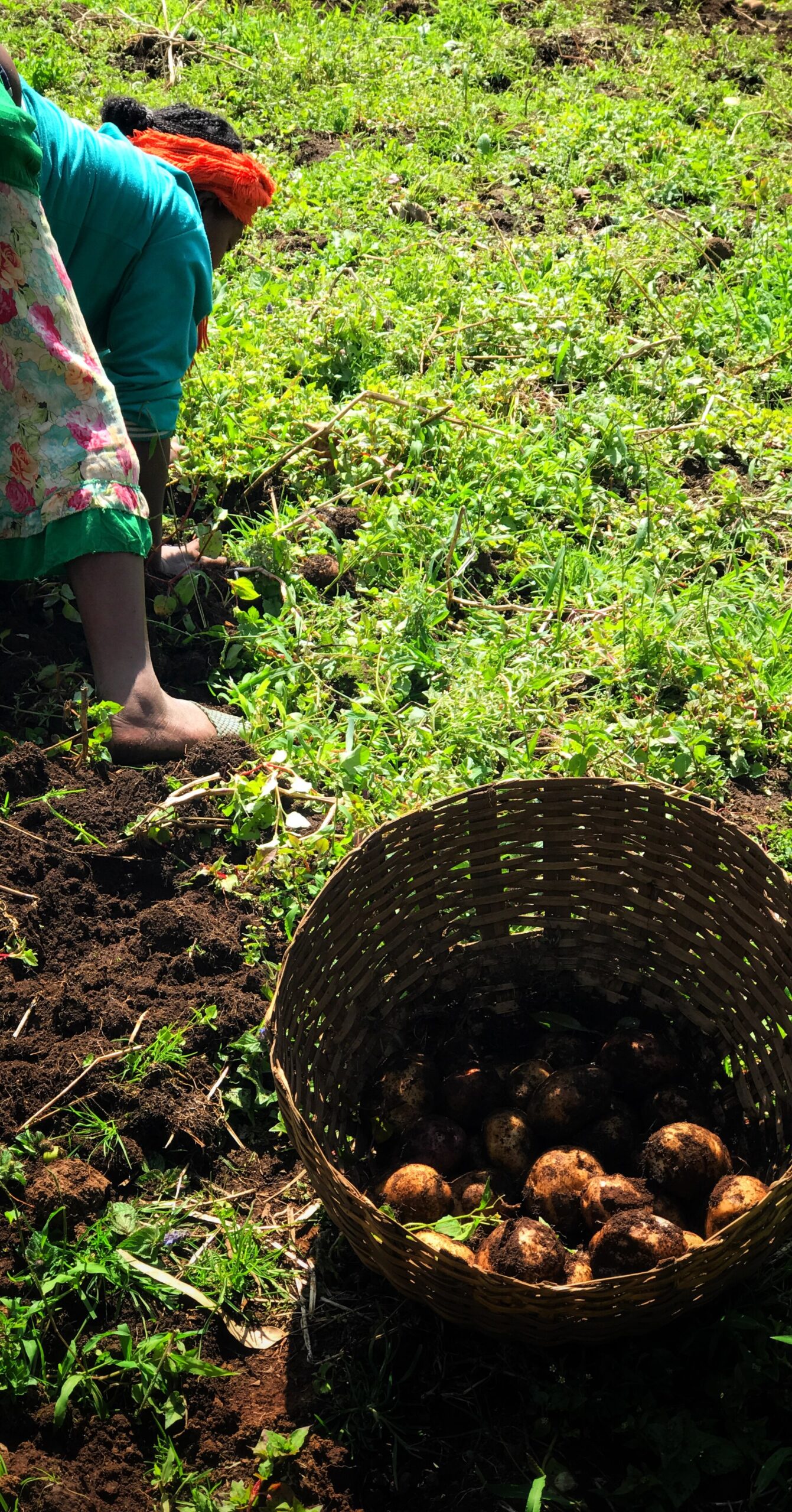
Ethiopia produced 4.09 million tonnes of potatoes in 2024, over ten times the 2000 level, FAOSTAT shows. Yields are about 12 t/ha and post-harvest losses reach 30–40%.
Night frosts often arrive before the harvest is over. Frozen tubers look normal at digging but can start rot in the whole store. Here is what specialists advise.
Seed pieces of 1.5–2.5 ounces (about 43–71 g) give the best returns, extension research shows. Undersized seed cost Idaho growers 50–60 cwt per acre on average.
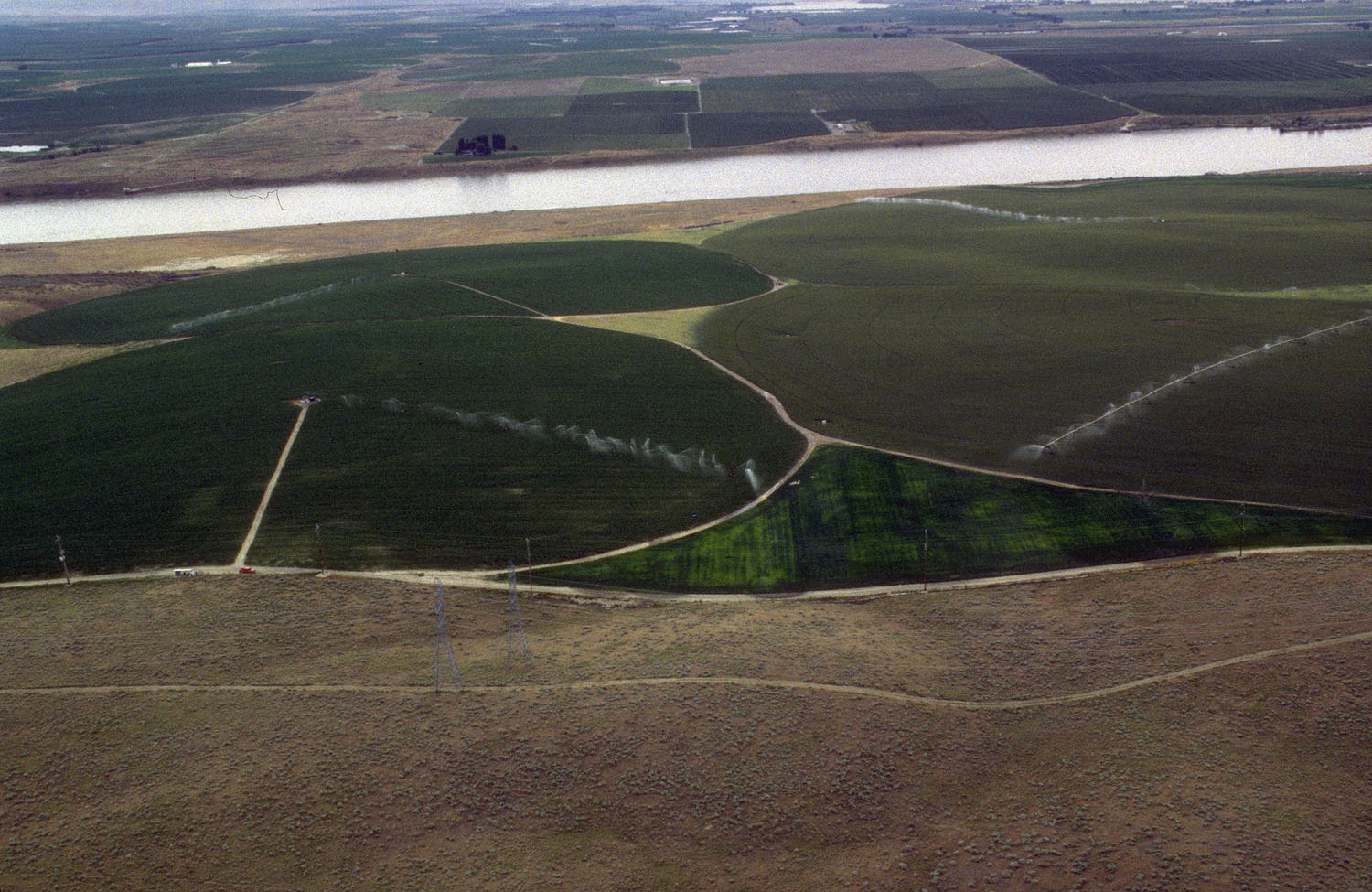
Potatoes lose yield when more than 30–50% of available soil water is used. Guides from FAO, UC IPM and Oregon State give thresholds and sensor readings for irrigation timing.
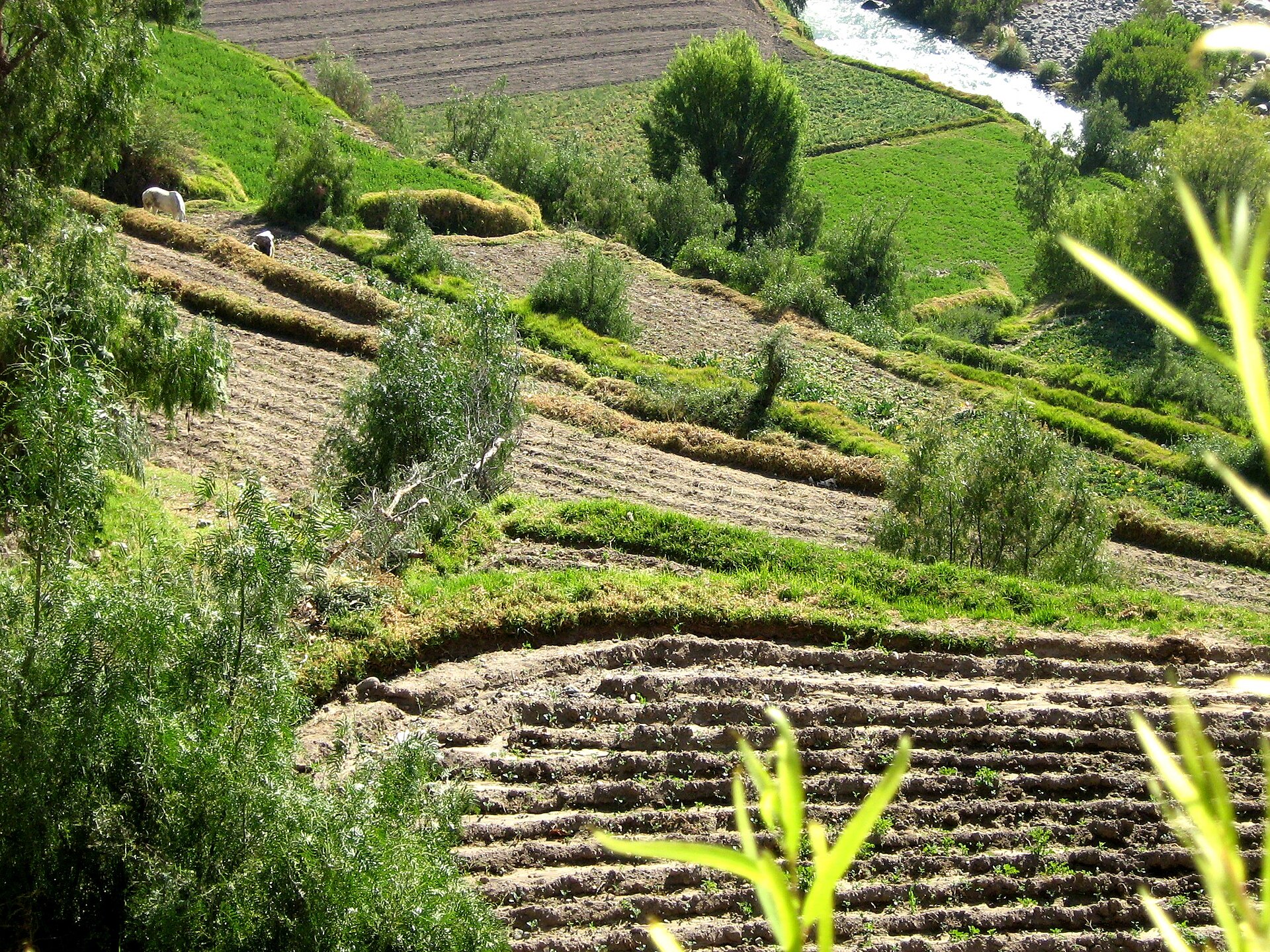
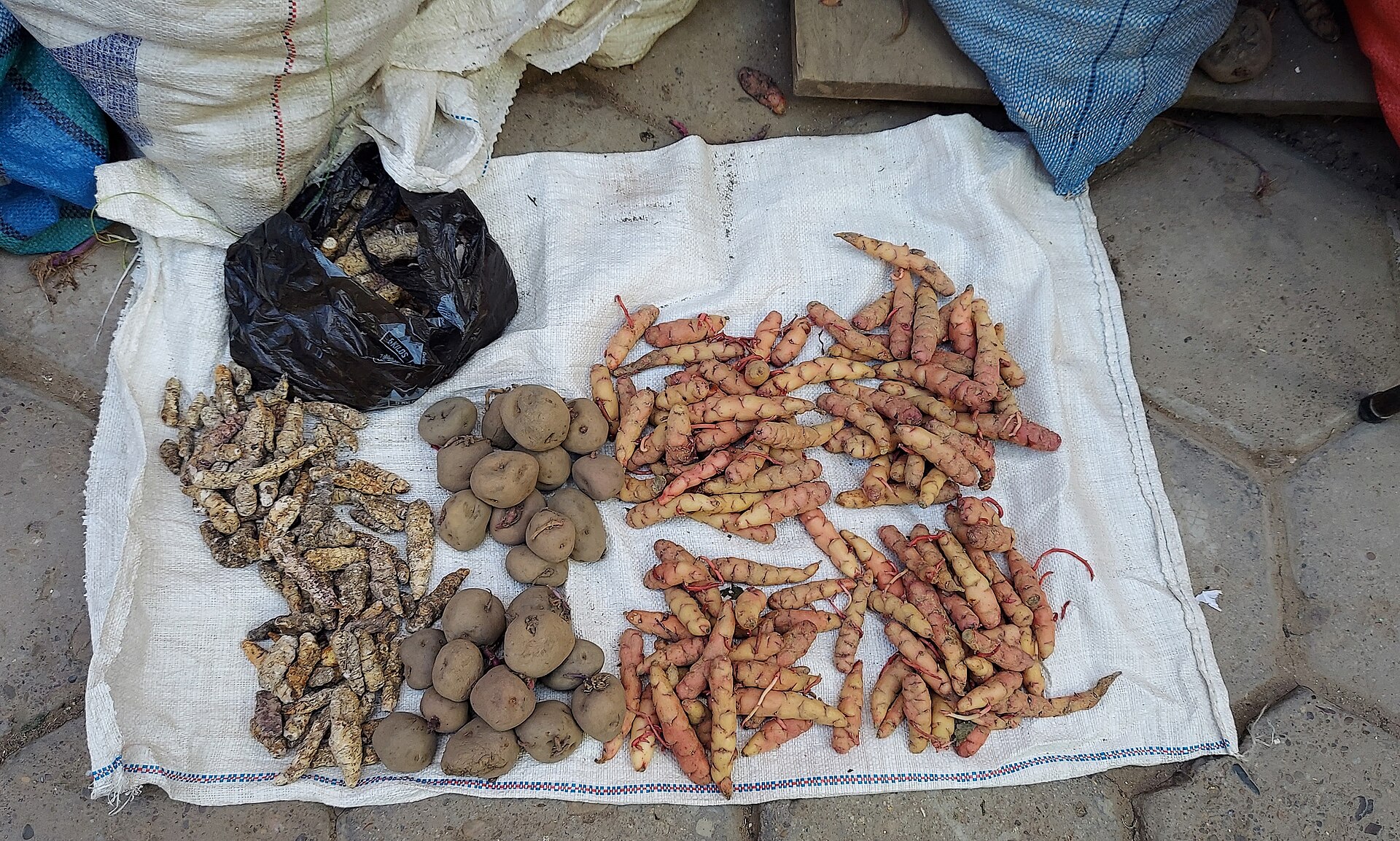
Peru harvested 6.58 million tonnes of potatoes in 2024, twice the 2000 level, as average yields rose to 19.5 t/ha. More than 710,000 families grow the crop.
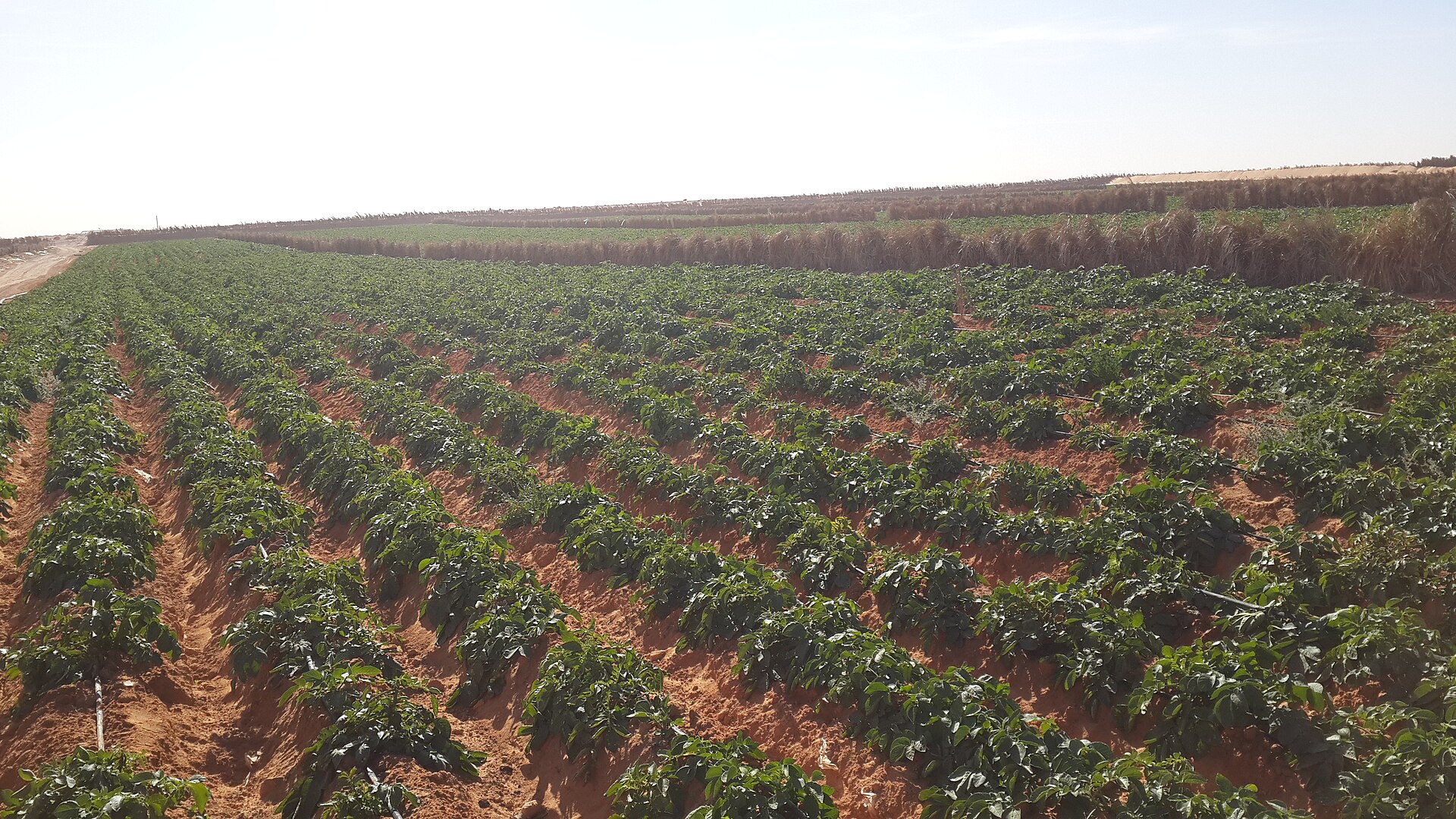
Morocco harvested 2.19 million tonnes of potatoes in 2024, twice the 2000 level. The area stayed near 60,000–67,000 hectares, so almost all the growth came from yields.
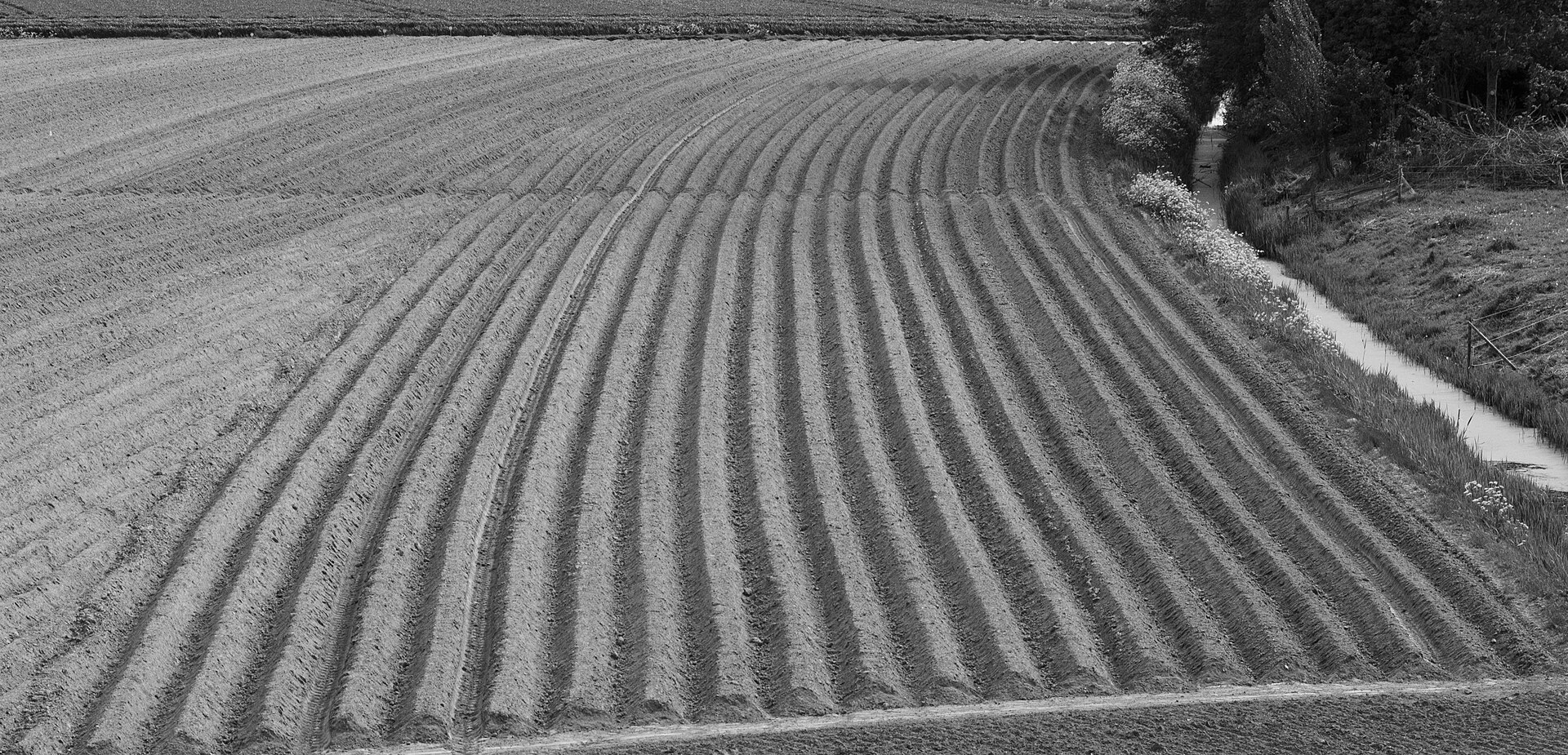
The Dutch Court of Audit finds that drought cut ware potato yields by 2.1% a year on average over 1998–2023. That equals 962 kg per hectare and €14–35 million of lost output.
Kyrgyzstan dug 1.19 million tonnes of potatoes in 2024, down 7.5%, as the area fell 8.4%. Yields rose to 17.9 t/ha, but output is barely above the 2000 level.
Uzbekistan produced 3.72 million tonnes of potatoes in 2024, five times the 2000 level. Yields near 30 t/ha lead Central Asia, but seasonal imports continue.
Nepal harvested 3.52 million tonnes of potatoes in 2023/24 on 211,505 hectares. Output has tripled since 2000, yet the average yield of 16.65 t/ha remains below India and China.
Australia produced 1.53 million tonnes of potatoes in 2024 with an average yield of 40.8 t/ha. Tasmania and South Australia grow about 61% of the crop.
Japan planted 70,900 hectares of potatoes in 2024, down from 130,100 hectares in 1985. Domestic output of about 2.3 million tonnes covers only part of demand of about 3.5 million tonnes.
Harvest advice from Canadian specialists sets a pulp window of about 10–16 °C. Cold tubers, low potassium and long drops all raise blackspot and shatter bruise risk.
Research shows soil temperatures around 23 °C and water stress during early bulking trigger sugar ends. The defect is irreversible in storage and darkens fries.
Punjab has asked the Centre for 3 lakh tonnes of DAP fertiliser. Potato planting, already under way, needs 70,000 tonnes, while current stock is only 1.60 lakh tonnes.
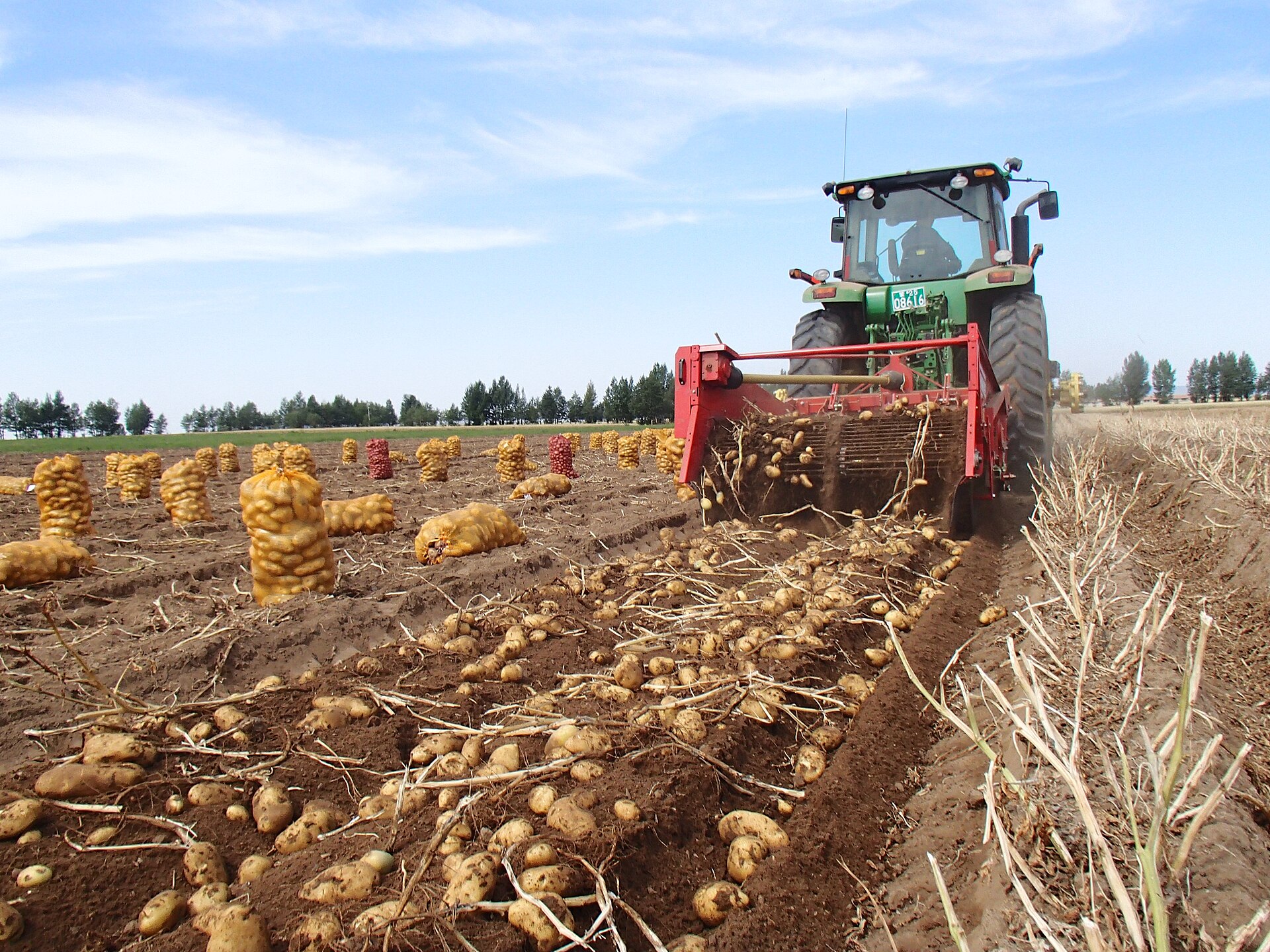
Harvest is moving across northern and western China. Local reports from Hebei, Qinghai, Xinjiang and Gansu describe large mechanised campaigns and high yields in several counties.
Growers often treat nitrogen rate as a field-level decision. Trial data show it is just as much a varietal one — early-maturing cultivars plateau on far less nitrogen than late-season types, and some varieties simply tolerate a…
A grower picks a variety for yield, resistance and maturity. The buyer picks it on sight, by the color of the cut flesh — and that snap decision quietly sorts the crop into different kitchens, different price…
New figures from trial digs in early September show a very wide spread between fields, a low share of large tubers and a growing gap between Flanders and Wallonia. The Belgian farmers' union shared the data with…
A discussion among Russian potato growers puts soil ripeness, not extra tillage, at the centre of clod-free harvesting. It also exposes the capacity problem behind it.
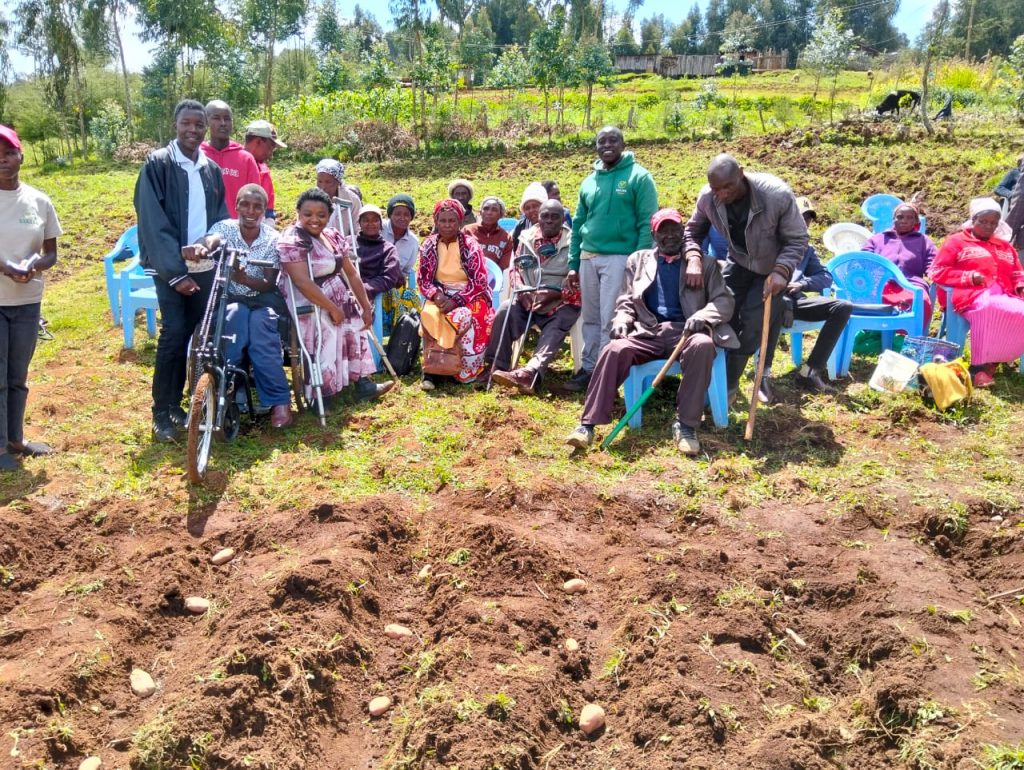
In Nyandarua, Kenya, differently abled farmers are transforming potato fields into spaces of dignity and inclusion. Through training by Nakuru Tubers, Wakulima Help Desk, and partners, farmers like George, David, Joseph, and Joyce challenge stigma, proving disability…
Biologist Gabdulkhay Samigullin from Naberezhnye Chelny has shared recommendations on proper potato hilling, noting that the frequency of the procedure depends on the potato variety, weather conditions, and the state of the bushes. The main goals of…
Peasant farms in the Jewish Autonomous Oblast have overfulfilled their potato planting plan by 100.2%, with seed tubers planted across 202 hectares, according to the regional agricultural department. However, this year "the second bread" is being cultivated…
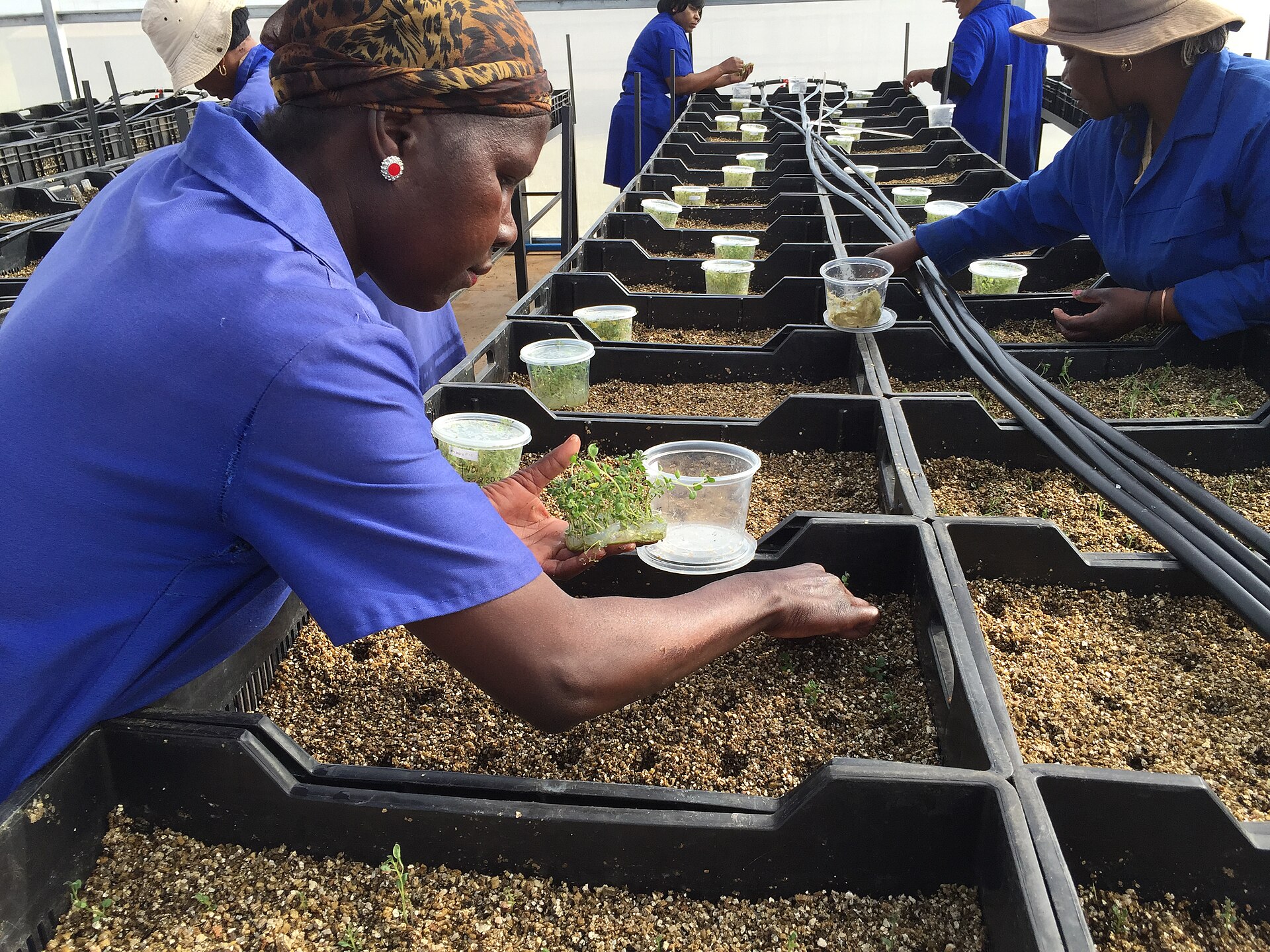
The branch of the Russian Agricultural Center (Rosselkhoztsentr) for the Novgorod and Pskov regions has begun planting potato microplants in its own greenhouse complex. This season, 22,000 microplants grown in the center's laboratory using in vitro technology…
The Mogilev Region in Belarus has significantly exceeded its potato planting targets for the season. Initially planning to plant potatoes on 3,800 hectares, local farmers have actually cultivated nearly 10 percent more land. Lilia Gulinskaya, head of…
Scientists at Perm Polytechnic University have developed a liquid bacterial additive for phosphate fertilizers that addresses a critical inefficiency in agriculture. Up to 75% of phosphorus applied as fertilizer is never absorbed by plants — roots cannot…
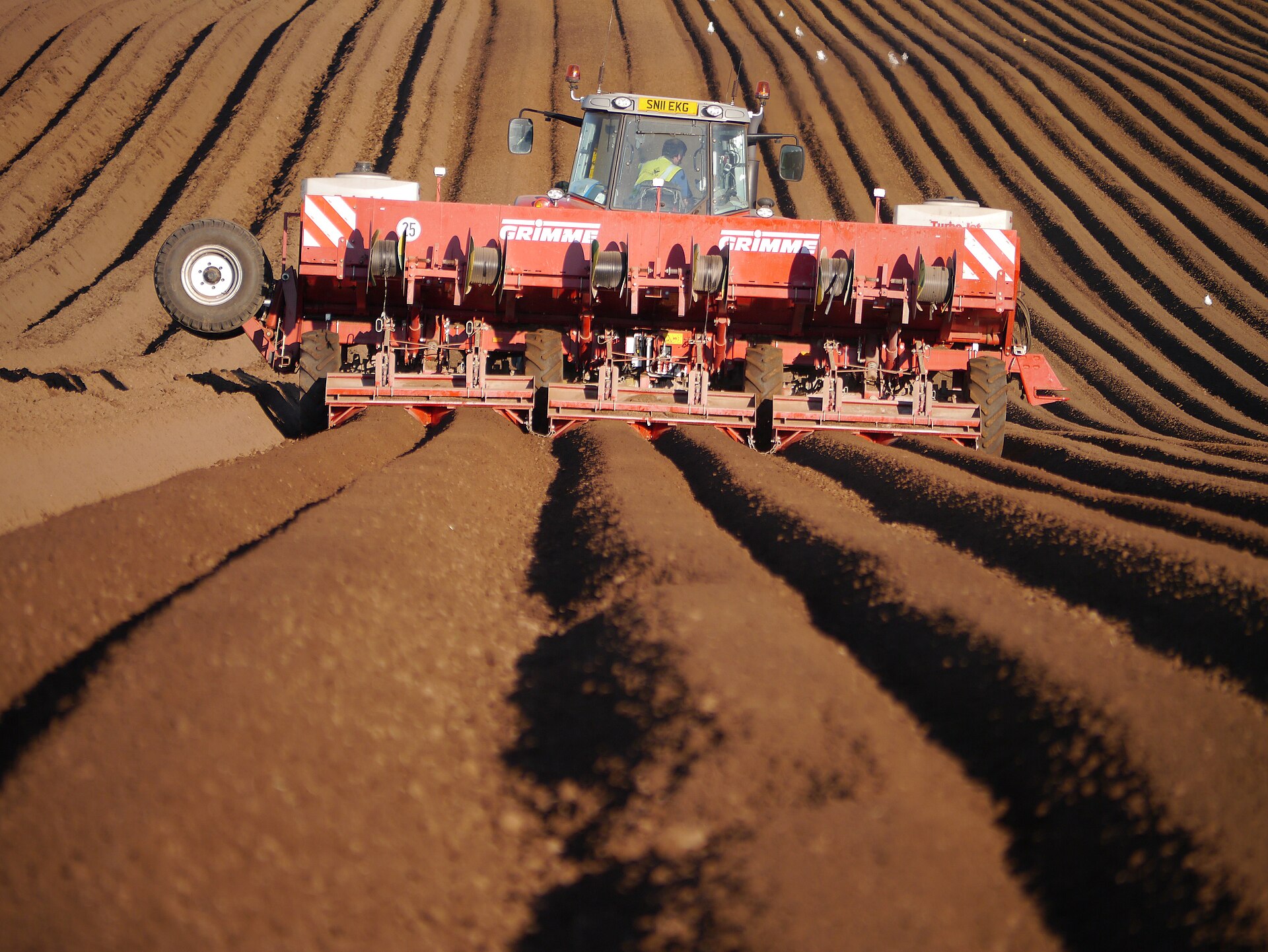
Spring sowing of early cereal crops is underway in several districts of the Bryansk region, including Gordeyevsky, Krasnogorsky, Novozybkovsky, and Starodubsky. In the last three of these districts, farmers have already started planting potatoes. At the same…
Agriculture in Kenya is undergoing a quiet revolution. A new generation is stepping up Gen Z innovators who are redefining farming, bringing science, technology and entrepreneurship to every stage of production. At the forefront of this transformation…
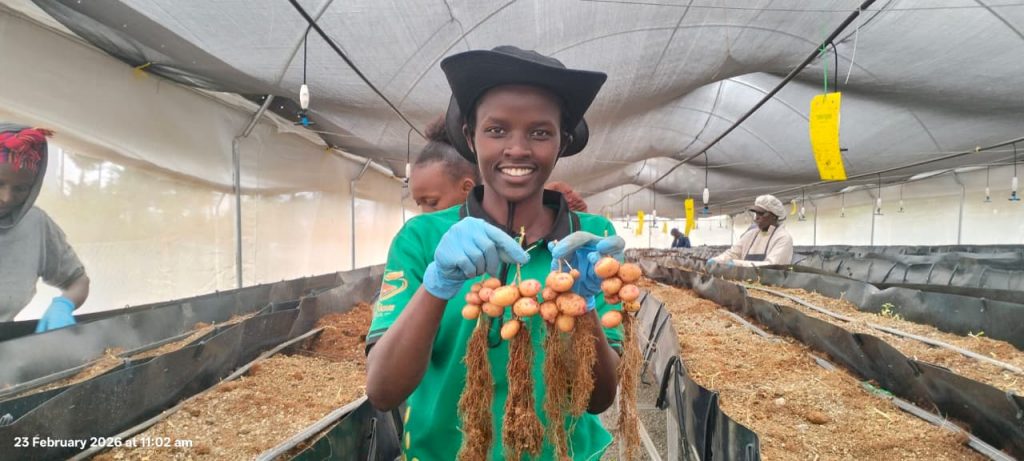
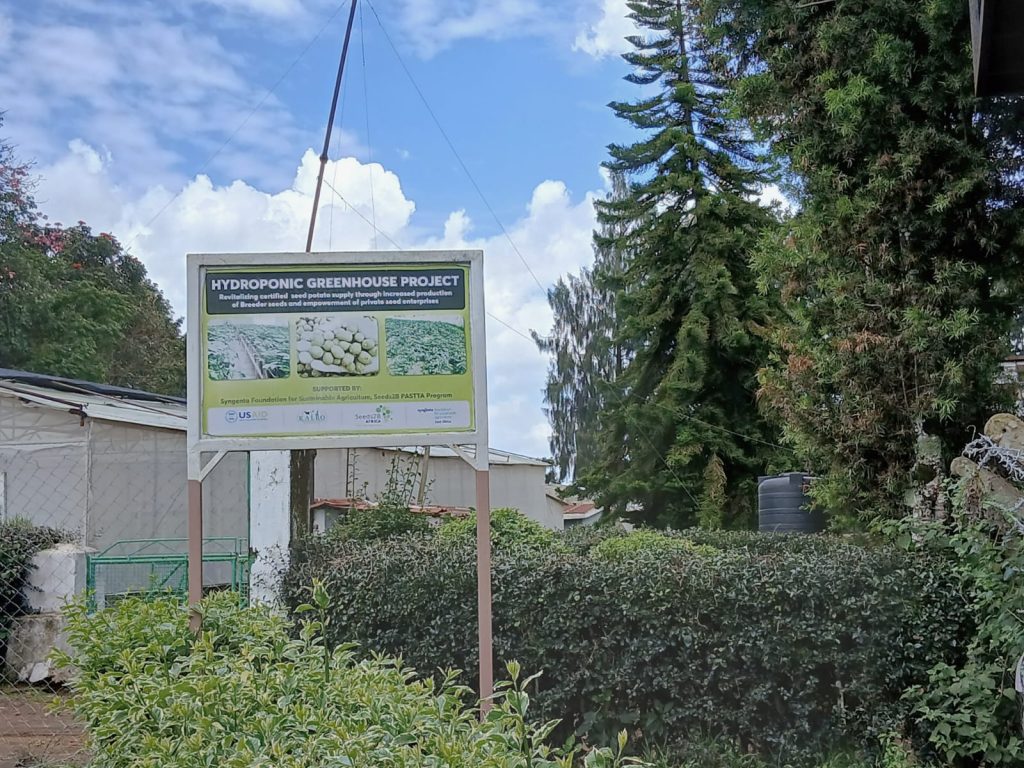
Kenya’s potato sector is undergoing a major transformation as soilless seed production technologies hydroponics and aeroponics replace traditional soil-based systems. These controlled-environment methods are increasingly viewed as the long-term solution to the country’s persistent shortage of certified…
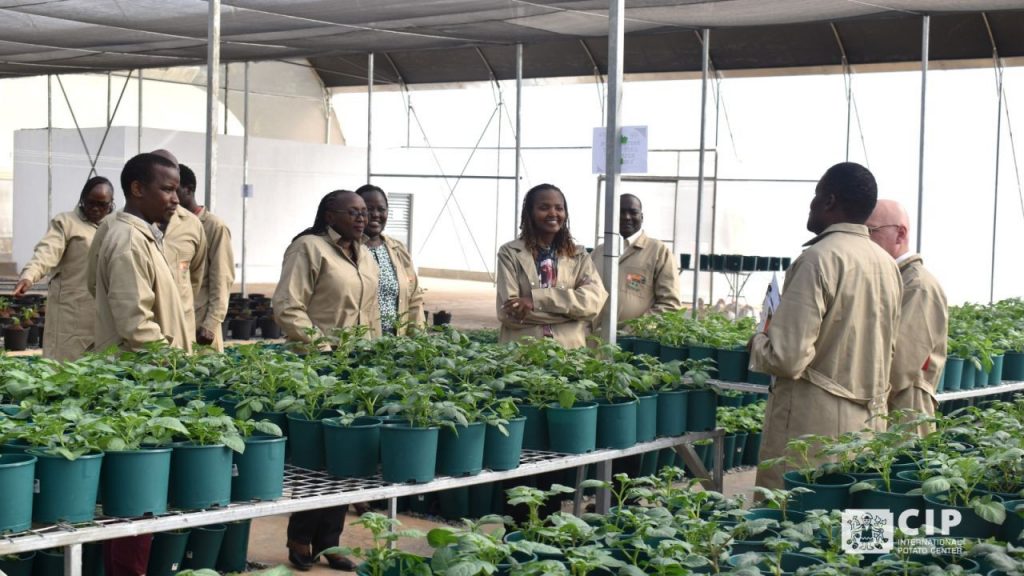
East Africa’s potato sector just hit a major milestone. The International Potato Center (CIP) has officially unveiled a state-of-the-art Regional Potato Breeding Hub in Tigoni, designed to power the next generation of potato innovation across East Africa. This bold…
Gardening on heavy clay soil or in a low-lying area that turns into a swamp every spring can feel like a losing battle. Traditional deep planting, as passed down through generations, often fails in these conditions: the…
A comprehensive study from the University of Florence, published in Applied Energy, offers one of the most rigorous quantifications to date of the agrivoltaic impact on a staple crop: the potato. Using an 18-year climate dataset and high-resolution…
In Fuyuan County, Yunnan, a groundbreaking initiative is turning thousands of acres of dormant winter fields into productive potato farmland, boosting farmer incomes and enhancing regional food security. This pilot project demonstrates how technological support and market-driven…