
Yellow, White or Cream: How Flesh Color Decides a Potato’s Market
A grower picks a variety for yield, resistance and maturity. The buyer picks it on sight, by the color of the cut flesh — and that snap decision quietly sorts the crop into different kitchens, different price points and different customers.
A farmer chooses a potato variety by yield, disease resistance and days to maturity. A shopper decides in seconds, and one of the clearest signals is visible the moment the knife goes in: the color of the flesh. For growers selling into retail and foodservice rather than only into processing contracts, that is not a cosmetic detail — it is a market segmentation tool.
Starch content sets the kitchen use
Flesh color tracks fairly closely with starch content, and starch content is what determines what a potato is good for in the kitchen. White-fleshed varieties, generally higher in starch (roughly 13–15%), break down well on boiling — the standard choice for mash and soups. Yellow-fleshed varieties, at a slightly lower starch level (roughly 12–14%) and carrying more carotenoids, hold their shape better when fried, resist browning after cutting, and are prized for a sweeter, richer flavor. That combination is a large part of why restaurants and processors making fries often favor yellow varieties: the finished product looks better and keeps its appearance longer after cooking.
Preference is regional, not universal
There is no single “correct” flesh color at a national scale. Consumer research on potato buying finds that shoppers weigh personal habit and regional reputation as much as any strict culinary logic — skin color, tuber size and a variety’s local reputation all factor into the decision at the shelf. At the same time, a meaningful share of shoppers say they would pay more for potatoes labeled by intended use — “for boiling,” “for frying,” “for soup.” That is a signal growers can act on directly: selling a potato with a clear culinary identity, rather than an undifferentiated commodity, is a lever that costs nothing in the field and only a change of packaging and labeling at the pack line.
Weekdays. Unsubscribe in one click.
What it means for variety mix
For operations supplying retail and foodservice, variety selection should weigh not only agronomic paperwork — yield, storability, resistance — but which flesh-color segment of the market each variety is built to serve. Yellow varieties tend to do well where foodservice and processed-format demand is strong; white varieties hold their ground where home cooking around boiling and mash still dominates. Running both in the portfolio is a straightforward way to spread market risk: a farm selling both colors is less exposed to a demand swing in any single culinary segment.
Why it matters
Cost per hectare is set in the field. Margin is set at the shelf. Matching what a shopper is looking for by eye — flesh color — and by taste — starch, sweetness — with what is actually planted turns a generic commodity crop into a product sold against a specific, better-paying use case.
The topic was raised by practitioners in the MAX messenger chat «КАРТОФЕЛЬ И Т.Д. (Potato etc.)», a community of more than 1,100 potato growers and industry specialists. Participants are not named. Join the discussion.
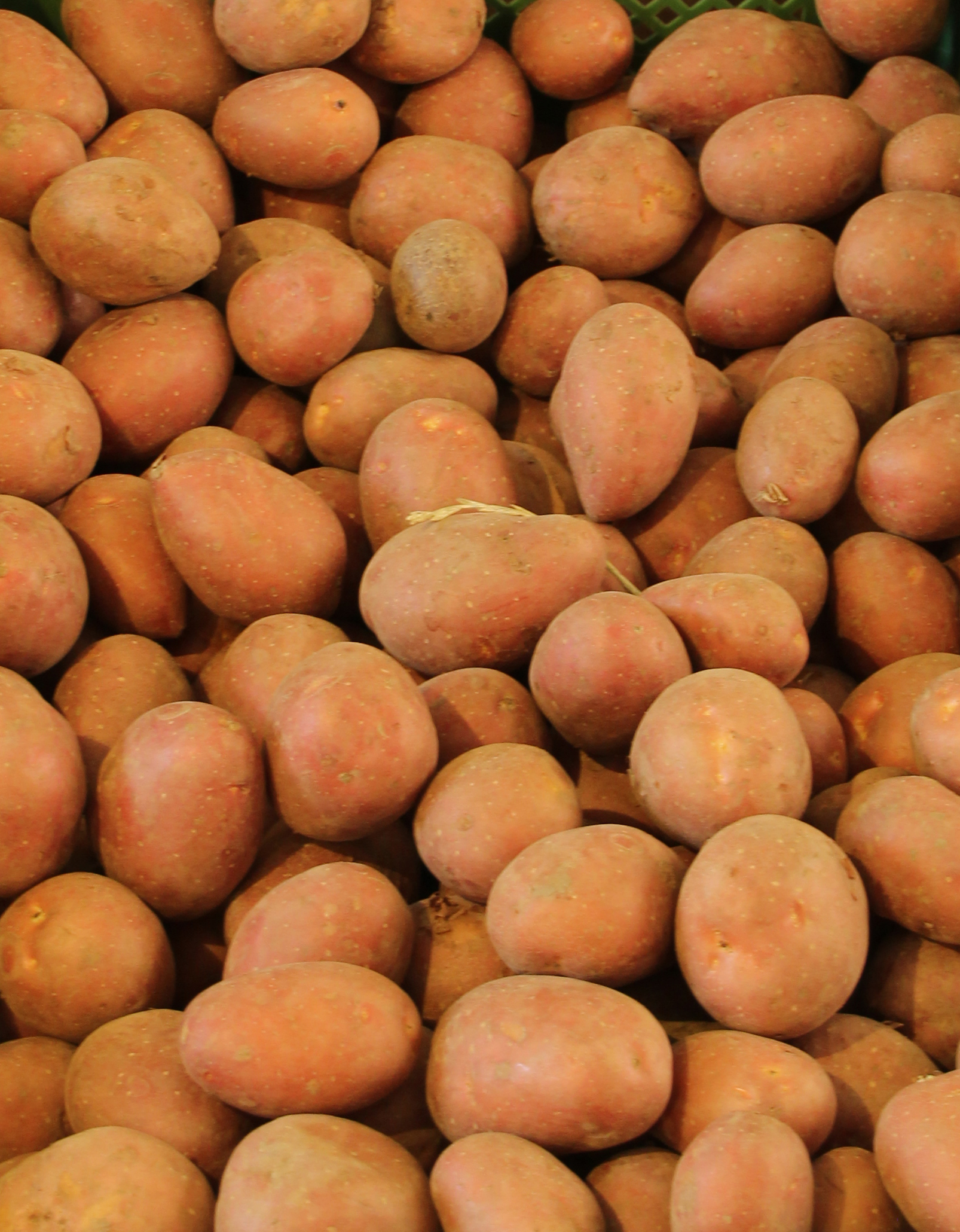
Photo: Potatoes of a yellow-fleshed variety (illustrative).