New Zealand: 518,282-Tonne Potato Industry Heads Into El Niño Season With 56% Processed
Processing takes more than half of the potato crop in New Zealand. As growers prepare for a drier El Niño spring and summer, irrigation, storage and market development are the main tests for the sector.
New Zealand grew 518,282 tonnes of potatoes last season. This figure was given by Kate Trufitt, chief executive of the grower body Potatoes New Zealand, in February 2026. The crop is split into three uses. Processing takes 56%, table potatoes 40% and seed 4%.
By our calculation, this means about 290,000 tonnes went to processing. About 207,000 tonnes went to the table market and about 21,000 tonnes were seed.
High yields, hard season
Potato yields in New Zealand are high, at 50 to 80 tonnes per hectare, according to the association. It links them to a mild maritime climate, fertile soils, certified seed and modern farming. Advances in genetics, precision farming and rotation have lifted output per hectare, the chief executive said.
Weekdays. Unsubscribe in one click.
The last season was difficult. The association described a very poor summer, with waterlogging, disease risk and harvest delays. Urban growth is also taking good farmland. The industry asks for protection of elite soils in land planning.
The chief executive also warned that fast volume growth can soften prices. In her view, efficiency and market development protect returns in the medium term.
Exports rely on frozen products
Frozen processed potatoes make up the bulk of exports, according to the association. Fresh potato exports are smaller because of plant health rules in many markets. The association valued the whole industry at 1,088 million NZ dollars in 2020. It has not published a newer total on its export page.
El Niño preparation
On 13 September 2026, the association urged growers to prepare for El Niño. The pattern can bring stronger westerly winds, more weather fronts and drier spring and summer conditions in some regions. The association advises growers to service irrigation pumps and review water plans. It also advises them to clear drains and check that potato stores are weather-tight and well ventilated.
Why it matters
The industry depends on processing, so a stable raw material supply is vital for factories. A dry El Niño summer would raise irrigation demand in cropping regions. Growers without secure water could see lower yields and more quality problems.
After a poor last summer, a second difficult season would put pressure on grower margins. Processors and growers may need to agree on how to share weather risk in contracts.
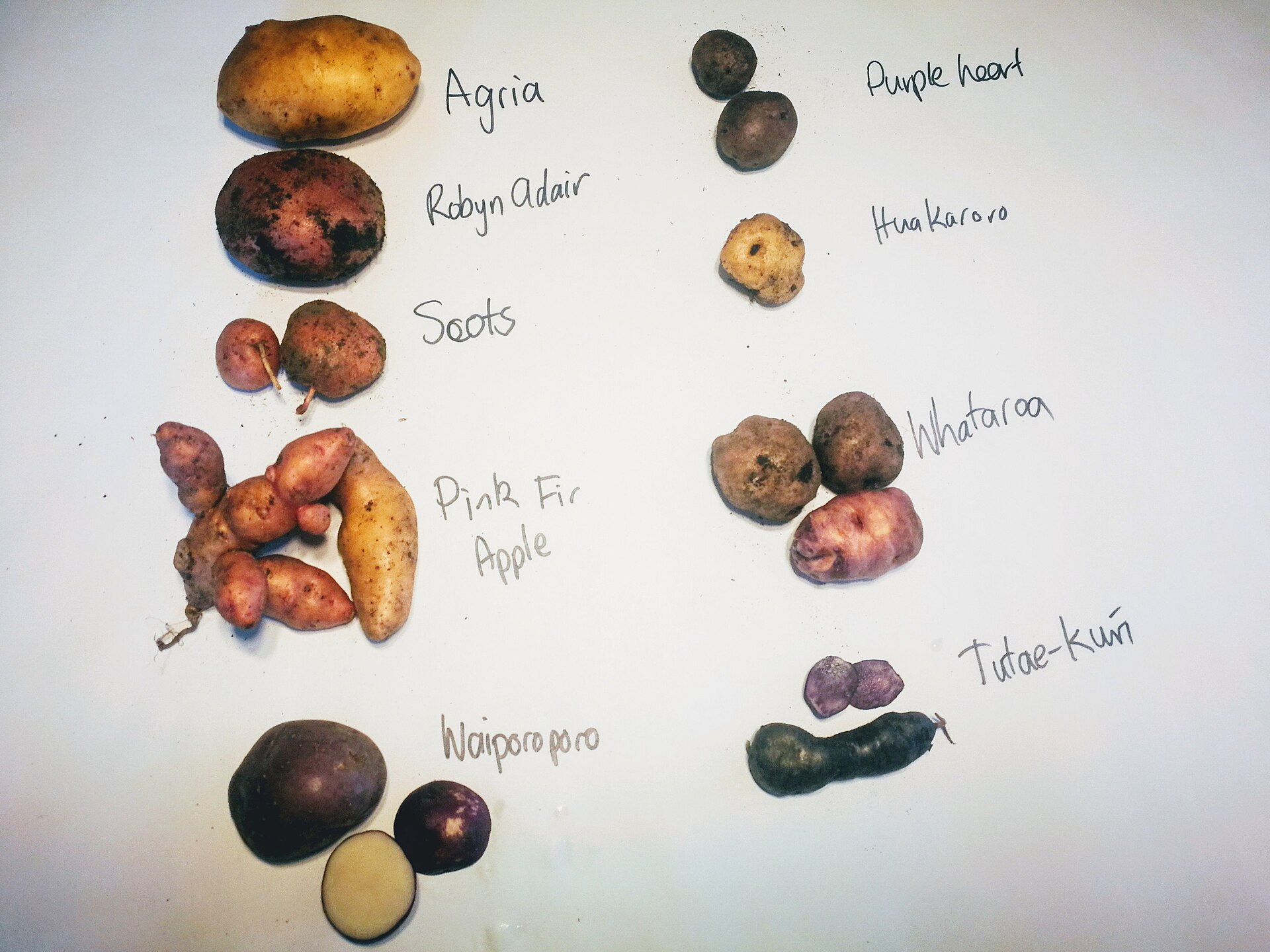
Photo: Common potatoes and traditional Māori taewa potatoes, New Zealand (illustrative). Br3nda / Wikimedia Commons, CC BY 2.0