Spain’s Castilla y León Potato Harvest Nears 30 t/ha, but Growers Warn €0.16/kg Would Not Cover Costs
A Burgos cooperative grower says prices of €0.30-0.40/kg are keeping farms viable after a lower-yield Castilla y León harvest (~30 t/ha); €0.16/kg, he says, would not cover costs.
Potato growers in Burgos and Palencia are finishing a “regular” campaign with lower yields and smaller tubers than in 2025, while current prices of €0.30–0.40/kg are seen as the minimum needed to keep farms viable. A producer from the Santa Isabel cooperative puts the break-even line at €0.18/kg.
Potato producers in Burgos and Palencia, in Spain’s Castilla y León region, are completing a campaign described as regular, with lower yields and smaller calibers than in 2025 — though with prices that currently allow them to sustain their activity. José Daniel Bravo, a grower from Villaescobedo in the province of Burgos and a member of the Santa Isabel cooperative, said current quotations stand between €0.30 and €0.40 per kilo, a level he considers adequate to preserve the viability of farms.
At €0.16 per kilo, costs are not covered. Bravo stressed that a price of €0.16/kg does not cover production costs. Only from €0.18/kg can production be sustained, and even then with very tight margins. Establishing and managing one hectare costs around €8,000, not counting some items such as labor — which makes both the price received and the yield achieved decisive for final profitability. He noted that growers have no power to set prices and questioned how value is distributed along the commercial chain.
Weekdays. Unsubscribe in one click.
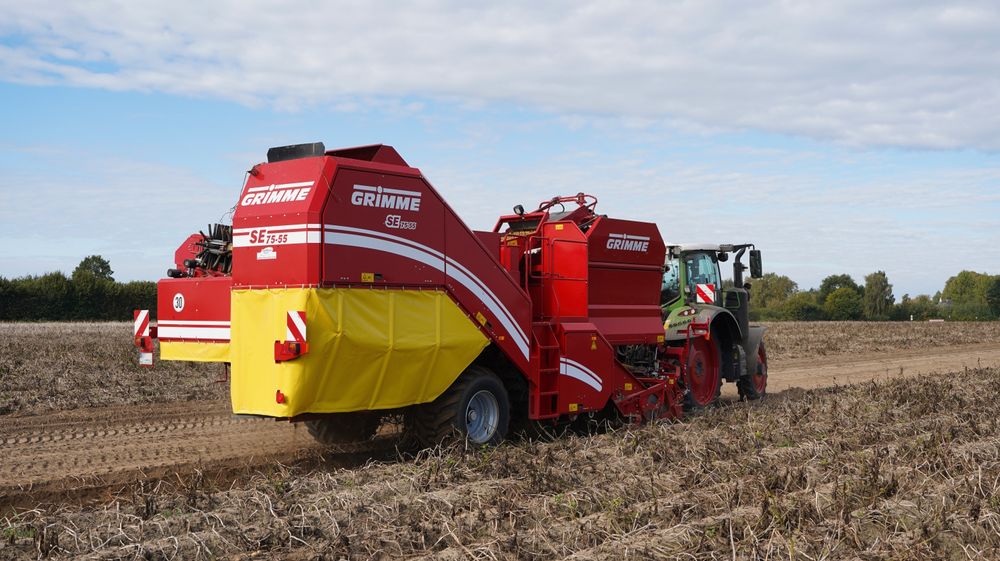
Harvest averaging around 30 tonnes per hectare. In the producing areas of Valle de Valdelucio and Tozo in Burgos, and Valdivia in Palencia, harvest work is in its final stage after rains in early October caused delays. Forecasts point to an average yield close to 30,000 kilos per hectare, below the previous campaign’s results. Tuber size also came in slightly smaller, although growers emphasize that the overall quality of the crop remains good.
Night heat limited growth. High July temperatures affected crop development. Bravo explained that when night-time temperatures exceed 24 °C, plants reduce their activity and tuber initiation and bulking are constrained. The late varieties Baraka and Agria performed better during August and September, and Carlita also stood out — although its area in the region is still very small. Red Pontiac, by contrast, delivered lower yields because of its higher production demands.
Cooperative to start marketing. Once the harvest is finished, the Santa Isabel cooperative will begin marketing the crop. Farmers hope prices remain within the current €0.30–0.40/kg band. The sector is also waiting for input costs to moderate and is calling for a fairer distribution of value among producers, intermediaries and retailers.
Difficulty sustaining international markets. The Santa Isabel cooperative once exported seed potatoes to destinations such as Cuba and Algeria, but logistical and diplomatic problems interrupted those trade channels. Bravo warned that opening an international market takes years of work and that losing one affects many growers — a reason, he said, for political decisions to take into account the effort required to develop and preserve such destinations.
The Castilla y León numbers add a Spanish data point to a wider European pattern this autumn: modest yields after summer heat stress, decent farm-gate prices — and an increasingly vocal debate over who captures the value in the chain. For now, growers in Burgos and Palencia say the €0.30–0.40 band is holding; the real test will come as the cooperative’s marketing campaign gets fully under way.
Sources: El Correo de Burgos; general 2026 Castilla y León campaign background: Agronews Castilla y León.