India: Punjab Seeks 300,000 Tonnes of DAP as Potato Planting Needs 70,000 Tonnes
Punjab has asked the Centre for 3 lakh tonnes of DAP fertiliser. Potato planting, already under way, needs 70,000 tonnes, while current stock is only 1.60 lakh tonnes.
Punjab is short of phosphate fertiliser at the start of potato planting. The state has asked the central government to allocate 3 lakh tonnes, or 300,000 tonnes, of di-ammonium phosphate (DAP) at once, The Tribune reported on 26 September.
Punjab needs 5.50 lakh tonnes of DAP for the whole rabi season. Potato growers need 70,000 tonnes. Potato planting is already under way. Wheat needs 4.80 lakh tonnes, with sowing from late October to mid-November.
The current stock is 1.60 lakh tonnes. That leaves a gap of 3.90 lakh tonnes, according to the report.
Weekdays. Unsubscribe in one click.
Deliveries behind schedule
Agriculture Minister Gurmeet Singh Khudian wrote to Union Chemicals and Fertilisers Minister JP Nadda. He said Punjab received only 1.49 lakh tonnes in July and August for advance stocking. By 16 September, only 0.46 lakh tonnes had arrived, although the allocation was 1.02 lakh tonnes.
The minister asked for the October allocation to be raised to 3 lakh tonnes. He asked for most of it to arrive by 15 October. He noted that a large share of the DAP available in India is imported, The Tribune reported.
Potatoes come first
Potato is the first large rabi crop to be planted in Punjab. Most planting takes place in the Doaba region in October. Growers there use DAP at planting. When supply is tight, potato demand can use up much of the stock before wheat sowing begins. Punjab faced a similar DAP shortage in 2024.
The timing matters for seed growers too. Under new state rules, seed potato crops in Punjab must be planted by 15 October.
Why it matters
Late or short phosphate supply can delay potato planting or force growers to change their fertiliser plan. Punjab is a key source of seed potatoes for other Indian states. Any delay in planting there can affect seed supply and quality for the next season across the country. Input dealers and growers should secure supplies early and consider alternative phosphate sources where agronomically sound.
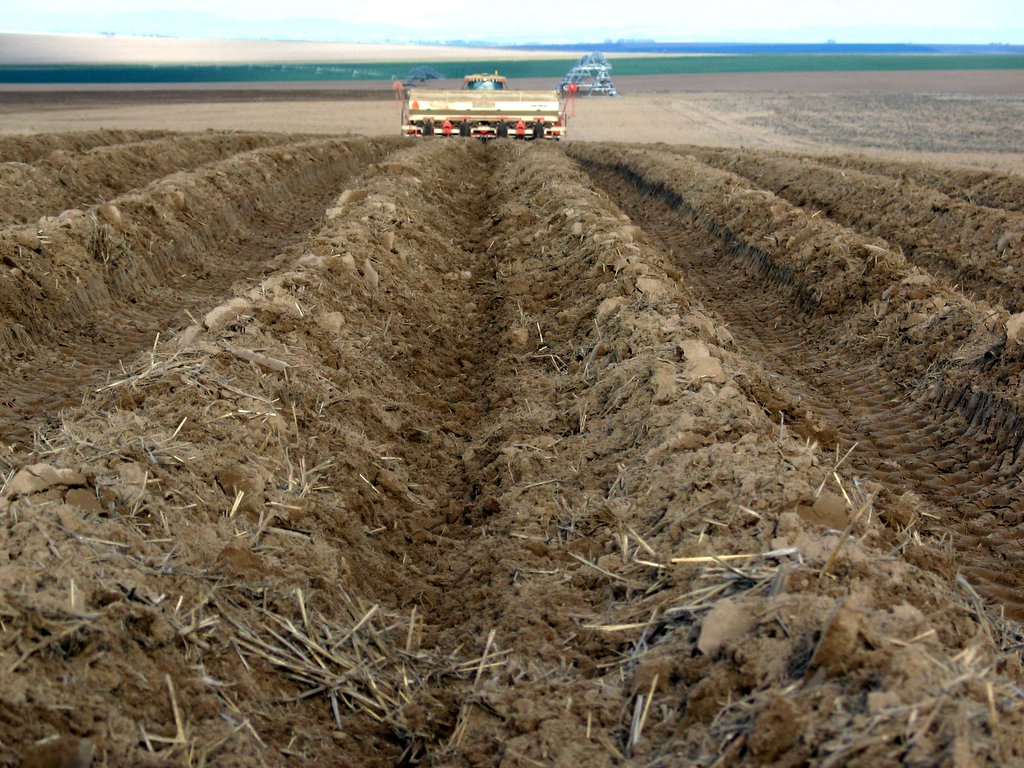
Photo: A potato planting machine (illustrative). Cwoll / Wikimedia Commons, Public domain