
France: Nitrogen Costs Rise €99/t as Growers Get €145 Million Aid Envelope
The French potato growers union UNPT says nitrogen costs rose by €99 per tonne and warns growers not to cut doses on price alone.
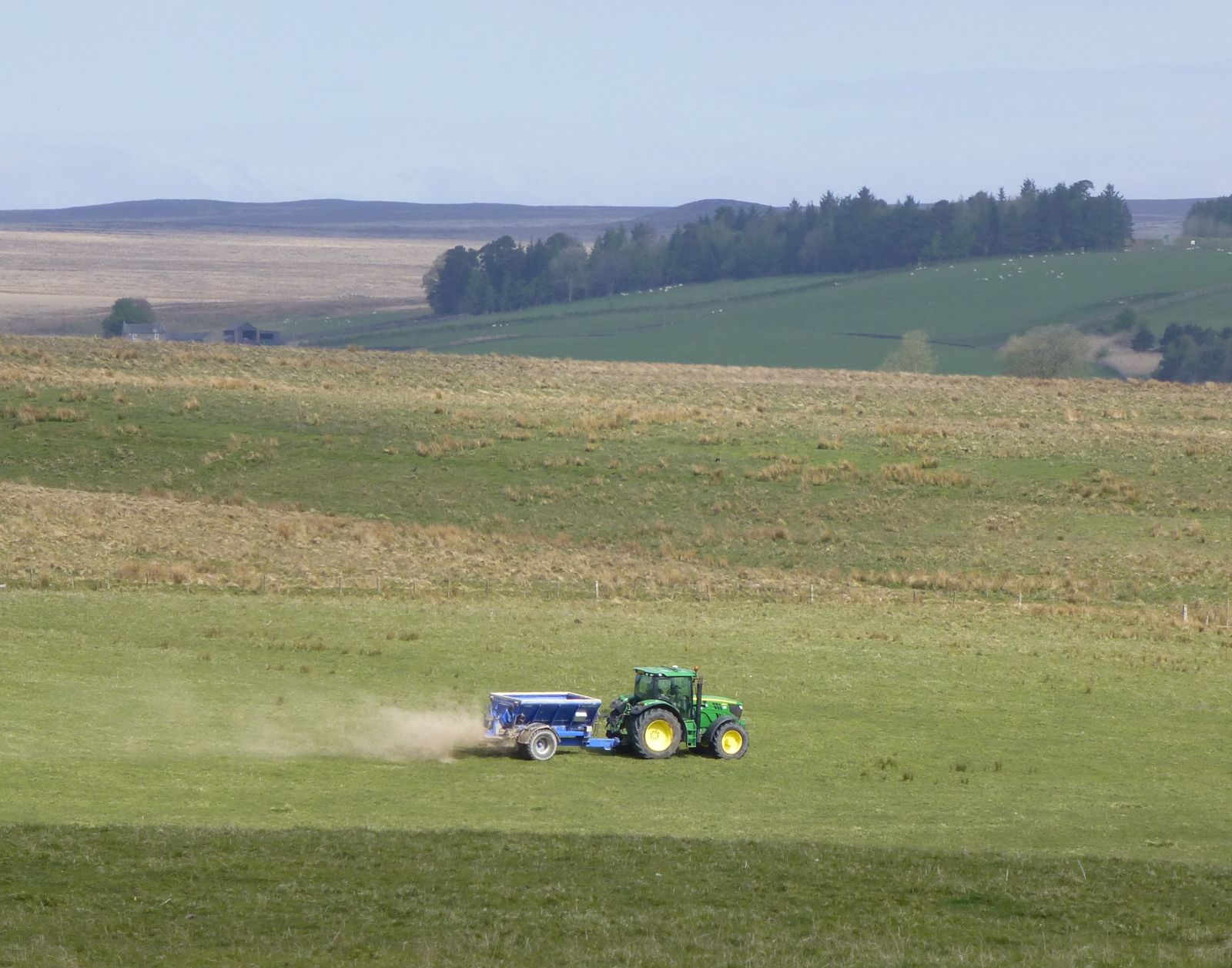
Nitrogen fertiliser has become much more expensive for French potato growers. The national potato growers union UNPT said average nitrogen costs in April 2026 were €99 per tonne higher than in 2025.
France uses about 5.3 million tonnes of nitrogen fertilisers each year. UNPT estimates the extra cost for French farms at €525 million.
The union links the rise to conflict in the Middle East and to the new EU carbon border adjustment mechanism (CBAM). According to UNPT, CBAM could add €46 to €244 per tonne, depending on origin and timing.
Weekdays. Unsubscribe in one click.
Aid of €50 to €70 per tonne
The European Commission released €540 million from its agricultural crisis reserve. France received the largest share, €107 million. With national funds, the total French envelope reaches €145 million.
Growers can receive €50 per tonne of nitrogen fertiliser bought. Young farmers and farms where fertiliser is at least 10% of operating costs can receive €70 per tonne, farm magazine Réussir reported. Aid is capped at 50% of the tonnage bought in 2025.
Purchases must be invoiced and paid between 1 June and 30 September 2026. Applications are open on the FranceAgriMer platform until 6 November. UNPT says the window excludes spring purchases and asks for an extension to 31 December.
Right dose, not a lower dose
UNPT also warns against cutting fertiliser only because of price. Too much nitrogen delays maturity and raises reducing sugars in processing potatoes. Too little reduces yield and marketable sizes.
Arvalis trial data from 1990 to 2021 show large variation. Cutting up to 40 kg N/ha below the optimum changed yields by between +2.6 and −6 t/ha. There is no scientific basis for a uniform cut of 20, 30 or 40 kg N/ha on all fields, the union said.
UNPT advises precise nutrient budgets, soil nitrogen checks before planting and split applications for long-season crops. Phosphorus and potassium cuts should follow soil analysis only.
On buying, UNPT recommends spreading purchases over several price levels. Growers should compare the cost per kg of nitrogen, not per tonne of product.
Why it matters
Growers already face a small, costly 2026 crop. High fertiliser costs will weigh on 2027 budgets. The aid covers only part of the extra cost, so careful dosing and buying decisions will directly affect margins.
Photo: Fertiliser being spread on a field (illustrative). Russel Wills / Wikimedia Commons, CC BY-SA 2.0