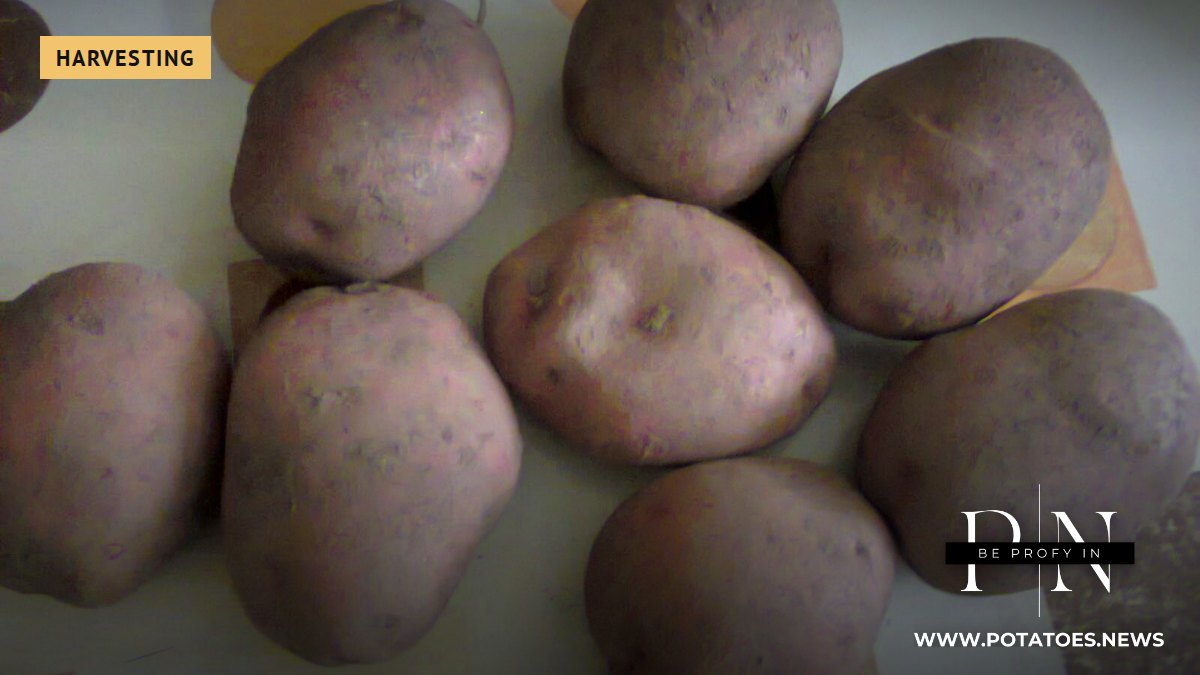
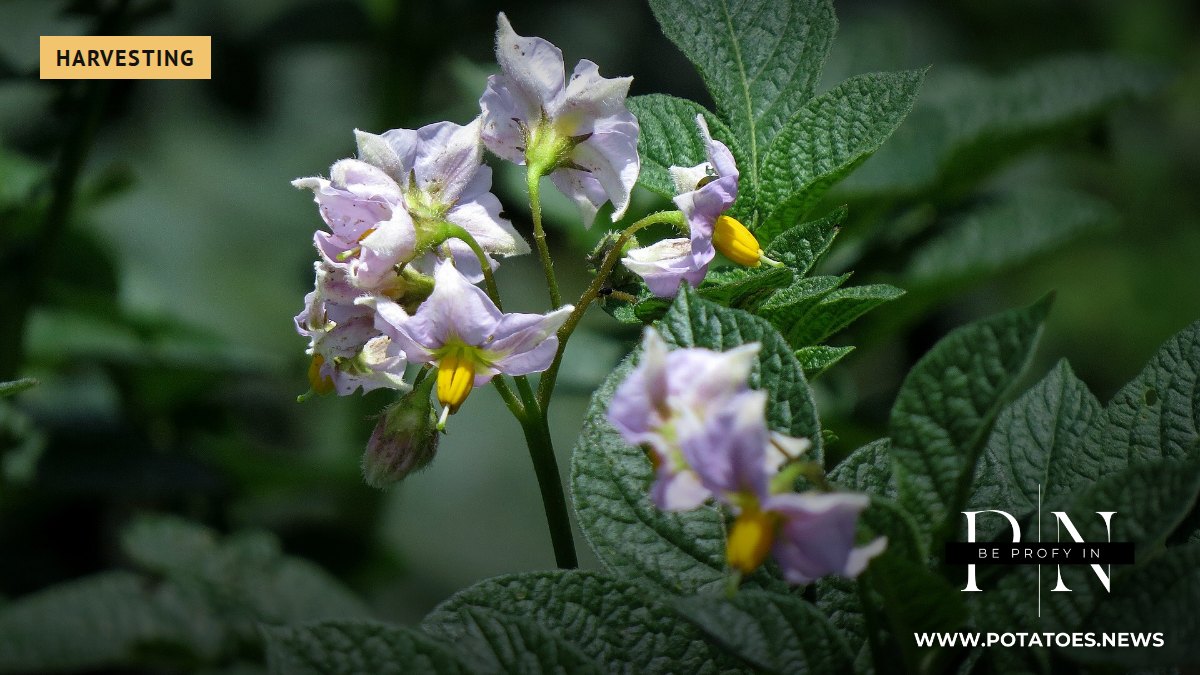
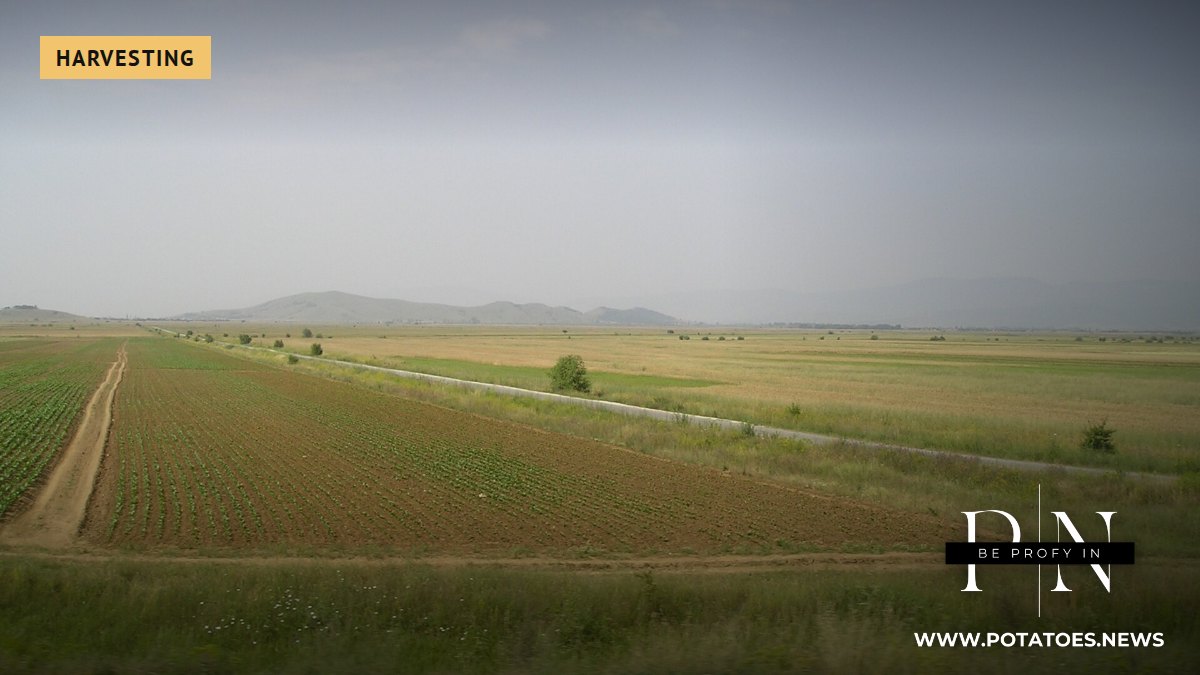
Bosnia and Herzegovina harvested about 407,000 tonnes of potatoes in 2024, above the long-term average of 385,000 tonnes, but farm prices fell 27%, a state ministry report shows.
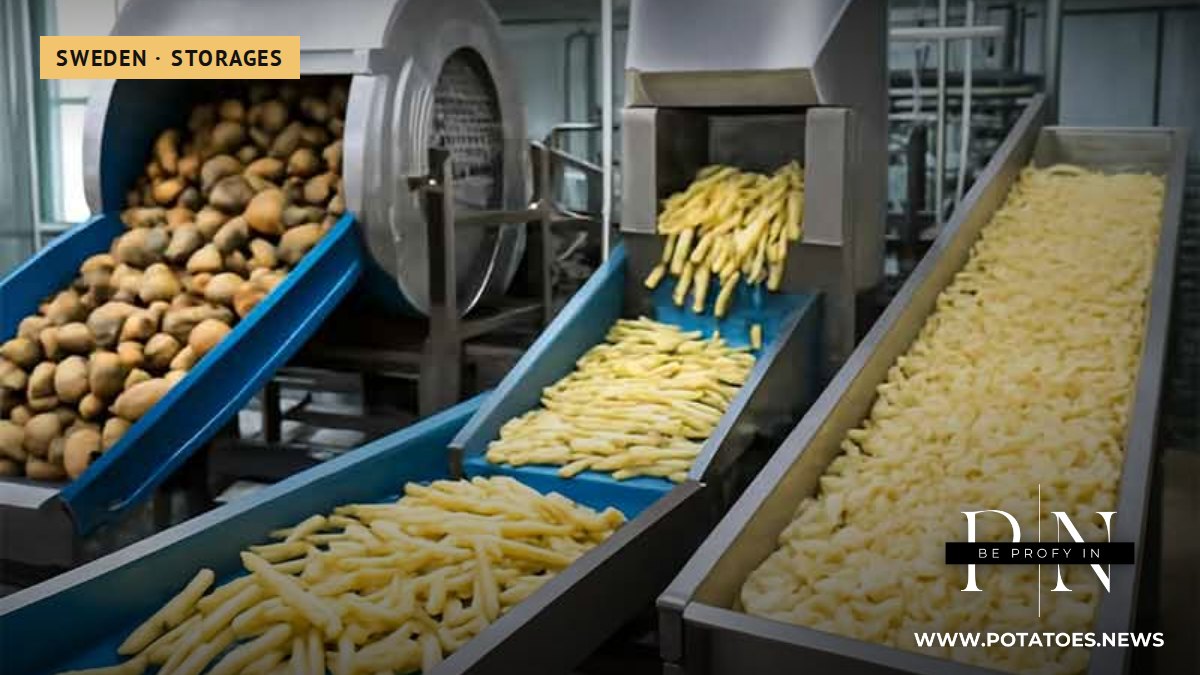
Recent developments in Sweden’s potato sector reveal a multi-pronged push to modernize storage infrastructure, improve processing efficiency, and reduce post-harvest losses. A notable innovation comes from Lyckeby, which has partnered with Nifitech to introduce temperature spears specifically…
Montenegro harvested 32,588 tonnes of potatoes on 1,914 hectares in 2025. Output has stayed between about 31,700 and 36,100 tonnes a year since 2015, Monstat data show.
Belarusian President Alexander Lukashenko has instructed an expansion of potato planting areas, yet the government must first secure new export markets before the winter season. Currently, large-scale commercial farms cultivate approximately 22,000 hectares, a figure the head…
Moscow Oblast reported a sharp increase in its potato harvest in early September 2026, with 19,500 tonnes collected by 3 September. Harvesting had been carried out on 1,300 hectares, or 11.7% of the planned area, at an average yield of 252 centners per…
Bryansk Oblast continued its potato harvest through September 2026, with one farm in Vygonichsky District expecting to collect 36,000 tonnes — nearly 1.3 times more than in 2025. A key piece of infrastructure is the "Sosnovka" potato storage facility with a capacity of 41,000…
At the fourth World French Fry Championship in Arras on 26 September, the interprofession CNIPT asked consumers to accept smaller or misshapen potatoes after heat cut local yields.
Switzerland has harvested its smallest potato crop on record: 333,000 tonnes in 2026, almost 20 percent below the 2020–2025 average of 411,000 tonnes, according to the trade organisation Swisspatat. The country will need to import around 130,000…
Spot prices for processing potatoes in north-west Europe have left contract levels far behind. Fontane was quoted at EUR 20 per 100 kg on the Belgian Belgapom exchange on September 25, and PotatoNL ranged between EUR 21…
Arkhangelsk region has harvested about 13,700 tonnes of potatoes, 57.2% of the plan, at 171 c/ha; the region spends 17.5 million roubles on potato and vegetable support.
Russia's Potato Union says the ten most planted varieties, about 60% of commercial area, are all foreign, while half of the 550 registered varieties are Russian.
The Lonja de León began quoting new-crop potatoes on 23 September at €310–360 per tonne. The province planted 1,210 ha, down 10.6%, as Europe faces a much smaller harvest.
NAO data show Dutch exports of ware and industrial potatoes reached 108,172 t by 31 August, up from 85,526 t, led by Belgium and France, while imports fell.
A Syngenta agronomist tells farmer.pl that some Polish lots reach 17–18% starch while others from the same fields have 13–14%, and some fail the 13% minimum.
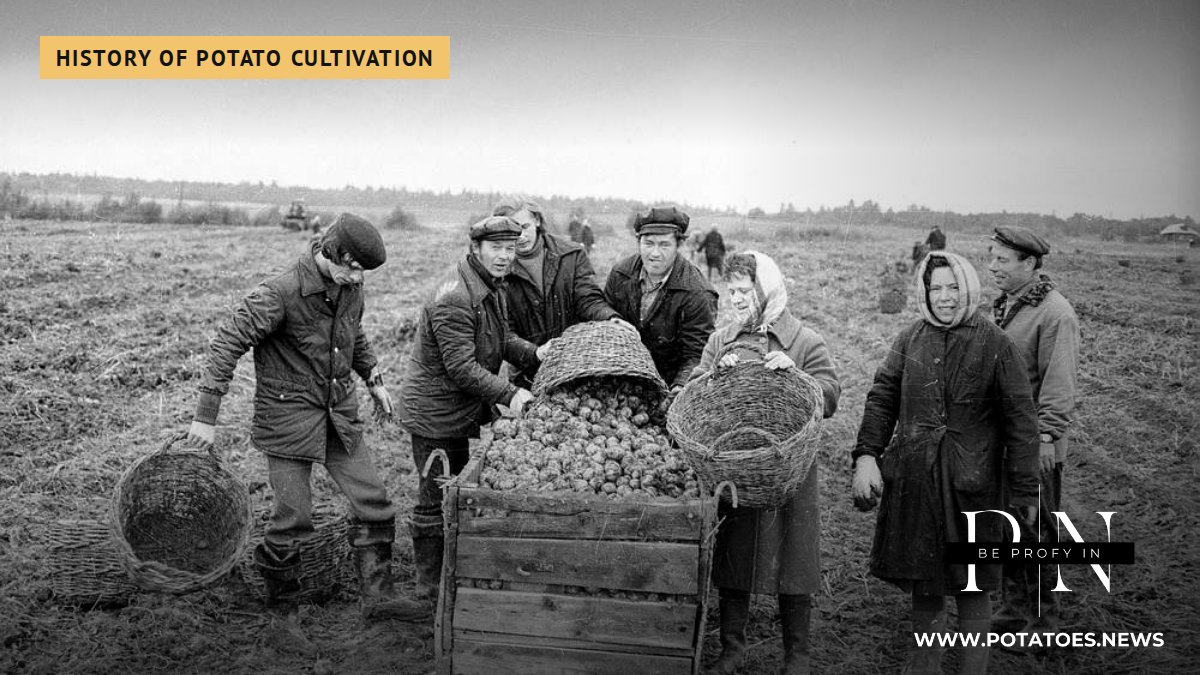
The 15 former Soviet countries harvest about 56 million tonnes of potatoes, 12% less than in 1990. Russia, Belarus and the Baltics lost almost 20 million tonnes, while Central Asia tripled its crop.
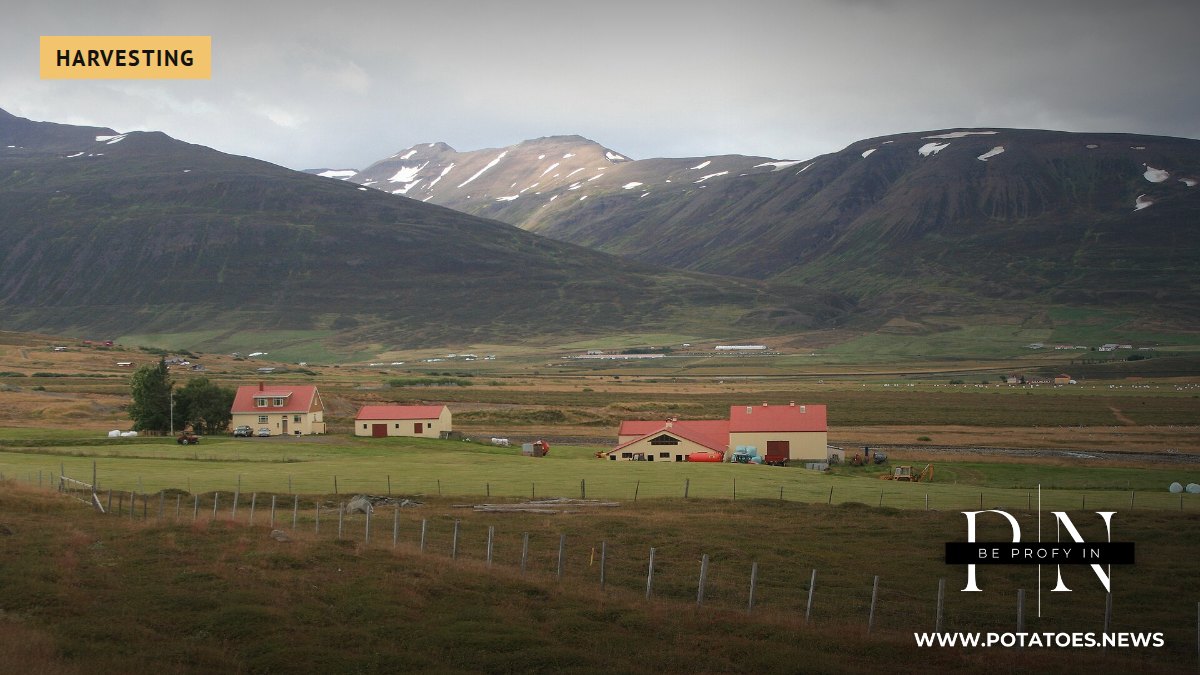
Iceland harvested 8,300 tonnes of potatoes in 2025, Eurostat data show, after only 5,514 tonnes in 2024, the smallest crop since 1993 according to Hagstofa. About 70% of potatoes grow in Þykkvabær.
WRAP estimates that UK homes throw away 510,000 tonnes of potatoes a year. Older WRAP data show most of this weight is peel, but 180,000 tonnes were uncooked fresh potatoes.
Irish growers harvested 384,900 tonnes of potatoes in 2025 on 8,900 hectares, official data show. Higher yields kept output up while the area kept falling.
ESPG data show that seed potato multiplication in the Netherlands, France, Germany, Scotland, Belgium and Denmark covers 105,155 ha in 2026. Belgium and Scotland cut the most, and French fry varieties lost 1,338 ha.
HZPC France has started building a greenhouse in Ruisseauville that should produce up to 2 million mini-tubers, the company says. The aim is full autonomy in early seed generations.
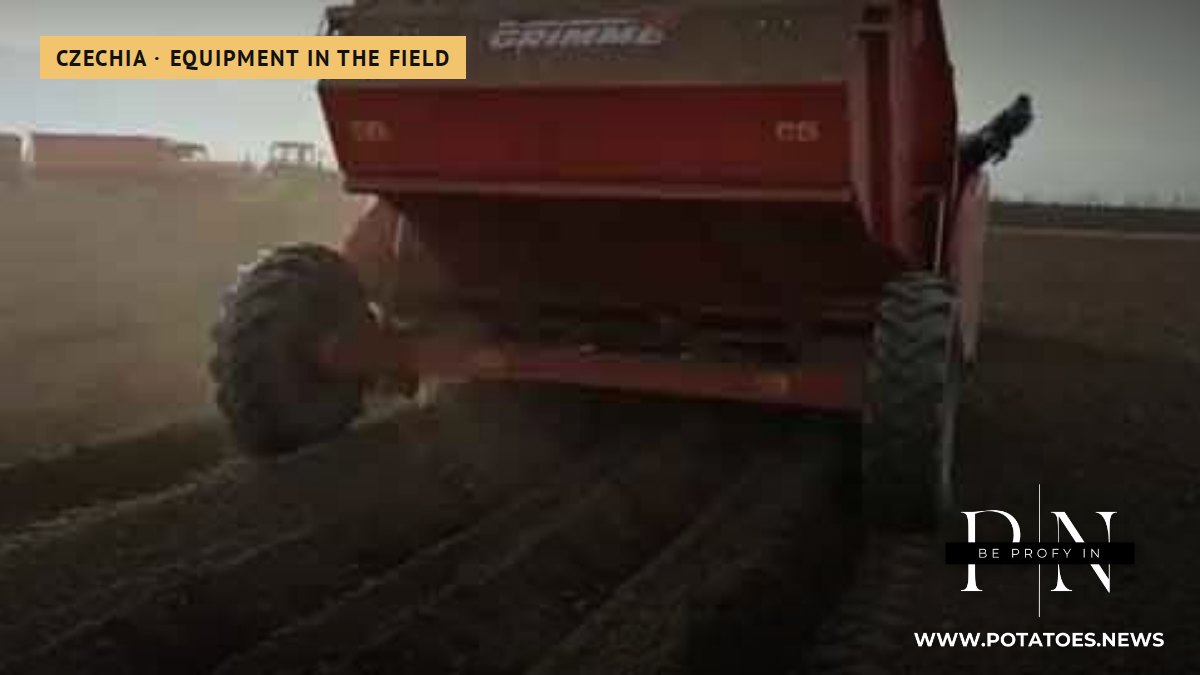
Czech potato growing is increasingly turning to precision and "smart" technologies. On a farm in Rantířov, a variable-rate planting system — described as unique in the country — divides fields into zones using yield maps and satellite…
Luxembourg harvested 25,150 tonnes of potatoes in 2025 on 700 hectares, Eurostat data show. The yield of 35.85 t/ha was the highest since at least 2010, and imports stayed near 10,000 tonnes.
Malta exported only 26 tonnes of potatoes in 2025, down from 1,411 tonnes in 2021 and 7,200 tonnes in 2004. The 2025 harvest was 6,800 tonnes on 510 hectares, Eurostat data show.
Italy grew 1.41 million tonnes of potatoes on 49,270 hectares in 2025, Eurostat data show. Imports exceed 800,000 tonnes a year, mainly from France and Germany.
Austria harvested 813,300 tonnes of potatoes in 2025, up 17%. But its supply balance shows self-sufficiency fell to 78% in 2023/24, and the 2026 crop is hit by drought.
The Czech Republic imported 197,678 tonnes of fresh potatoes in 2025, even though farms harvested 734,580 tonnes at 30.4 t/ha. The potato area has fallen by 65% since 2000.
Slovakia harvested almost 200,000 tonnes of potatoes in 2025 at an average yield of 31 t/ha, ŠÚ SR and Eurostat data show. The area is 76% smaller than in 2000, but yields have more than doubled.
Hungary harvested 218,549 tonnes of potatoes on 7,719 hectares in 2025. Three southern and eastern counties grow most of the crop, and domestic output covers only 40–50% of demand.
Slovenia grew only 41% of the potatoes it used in 2024, SURS data show. In 2025, the harvest fell by about 19% to 60,820 tonnes, and imports again exceeded domestic output.
Croatia harvested 111,691 tonnes of potatoes in 2025, 16.6% less than in 2024, while imports rose 22.6% to 86,340 tonnes. Self-sufficiency may fall below 40%.
Serbia harvested 648,930 tonnes of potatoes in 2025 on 23,160 hectares at a record 28 t/ha, Eurostat data show. The area is 59% smaller than in 2007, and EU exports to Serbia reached 54,453 tonnes.
North Macedonia grew potatoes on 11,780 hectares in 2025, 14% less than in 2015. Output stayed between 174,000 and 204,000 tonnes, depending on the source, and EU exports to the country tripled.
Germany’s potato trade urged a measured view of supply at the 73rd Autumn Potato Get-together in Hamburg, as the 2026 crop is forecast at 10.4 million tonnes.
Bulgaria harvested 94,000 tonnes of potatoes in 2025, down 17% on 2024 and from 196,000 tonnes in 2021, MZH data show. Imports of 48,321 tonnes now equal about half of the domestic crop.
Cyprus exported 62,903 tonnes of potatoes in 2025, while the harvest was 80,000 tonnes on 3,800 hectares, Eurostat data show. CYSTAT valued potato exports at €47.4 million in 2024.
Lithuania harvested 276,960 tonnes of potatoes on 14,360 hectares in 2025, Eurostat data show. The area is 87% smaller than in 2000, but the yield was the best since at least 2010.
Finland grew 546,000 tonnes of potatoes in 2025. In 2026 the area rose back above 20,000 hectares, driven by starch potatoes, and Luke expects more than 620 million kg.
Estonia harvested 60,170 tonnes of potatoes in 2025 on 2,910 hectares, Eurostat data show. In 1991, the country grew 592,000 tonnes on 52,000 hectares.
Latvian potato growers report a good crop but a slow, wet harvest. Farmers in Zemgale say lifting is about 12 days late, and some fields are too wet for machines.
Bryansk farms had harvested potatoes on 15,100 ha, or 41% of the plan, by mid-September. Neighbouring Tula and Kaluga report farm prices of 14–20 roubles per kg and shop prices of 34–35 roubles.
Dutch fry potatoes are unusually small this year, according to a processor's crop monitoring and a farm weekly. The weekly price quotation for potatoes sold without a contract fell slightly on 28 September.
Beyond Breeding: Resource-Saving Technologies and Biological Inputs in Polish Potato Production Alongside breeding advances, Polish potato farming is increasingly embracing technologies aimed at saving resources and improving crop resilience. A notable example is the ploughless, or "no-plough,"…
Norway harvested 386,200 tonnes of potatoes in 2025, the largest crop since at least 2021. More than half came from Innlandet. In 1961 the country grew over 1.2 million tonnes.