Montenegro: Potato Harvest Slips 1.8% to 32,588 Tonnes as Yields Stay Near 17 t/ha
Montenegro harvested 32,588 tonnes of potatoes on 1,914 hectares in 2025. Output has stayed between about 31,700 and 36,100 tonnes a year since 2015, Monstat data show.
Montenegro harvested 32,588 tonnes of potatoes in 2025, according to final data from the national statistics office Monstat, published on 1 July 2026. This is 1.8% less than the 33,179 tonnes of 2024. The harvested area was almost unchanged at 1,913.7 hectares, against 1,912.9 hectares a year earlier. The average yield fell slightly from 17.3 to 17.0 tonnes per hectare.
Twenty years of data
Monstat’s long series shows two different periods. From 2006 to 2015 the sector grew fast. In 2006 the country harvested 11,947 tonnes on 1,138 hectares, with a yield of only 10.5 tonnes per hectare. By 2015 output was 32,872 tonnes on 1,968 hectares, and yield was 16.7 tonnes per hectare.
Since then the sector has been stable. Output has stayed between 31,720 tonnes (2018) and 36,147 tonnes (2016). The best yield in the series was 18.4 tonnes per hectare in 2016. The largest area was 2,061 hectares in 2020, when output was 35,867 tonnes. There was one sharp fall in the growth period: in 2012 output dropped to 19,815 tonnes, with a yield of 11.8 tonnes per hectare.
Weekdays. Unsubscribe in one click.
In recent years the numbers have moved very little:
- 2021: 1,972 ha, 33,913 t, 17.2 t/ha
- 2022: 1,917 ha, 33,358 t, 17.4 t/ha
- 2023: 1,901 ha, 32,692 t, 17.2 t/ha
- 2024: 1,913 ha, 33,179 t, 17.3 t/ha
- 2025: 1,914 ha, 32,588 t, 17.0 t/ha
Preliminary and final data differ
Users of the data should be careful with early estimates. Monstat’s preliminary release for 2024 showed 2023 at only 1,560 hectares and 23,424 tonnes. The final series gives 1,901 hectares and 32,692 tonnes for the same year. The preliminary 2024 figure of 33,577 tonnes was later corrected to 33,179 tonnes.
Why it matters
Montenegro is a small producer, but its data show a clear pattern. The big yield gains came before 2016. For ten years yields have stayed at about 16–18 tonnes per hectare. This is far below levels in large European producing countries.
With a stable area of about 1,900 hectares, any growth in local supply must come from yield. Better seed, irrigation and storage are the obvious tools. For traders and seed suppliers in the region, the country is a steady but small market. Monstat’s crop release does not include trade data, so the level of imports is not covered here.
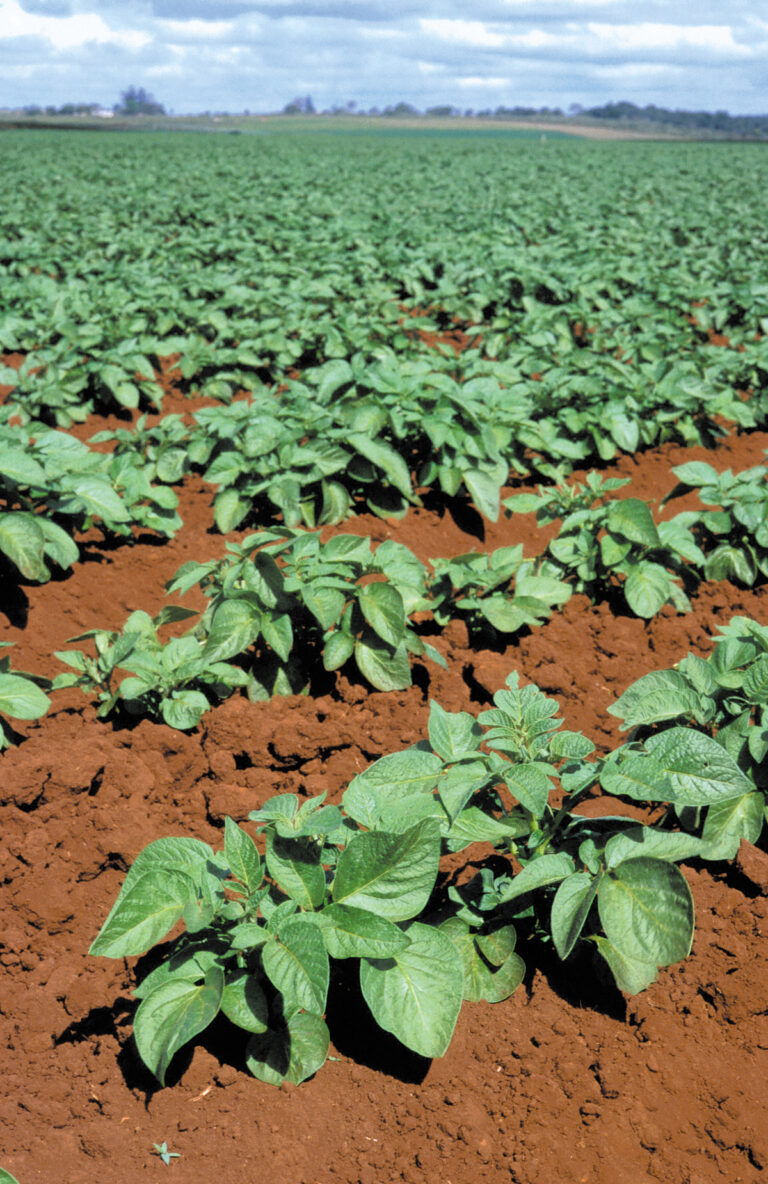
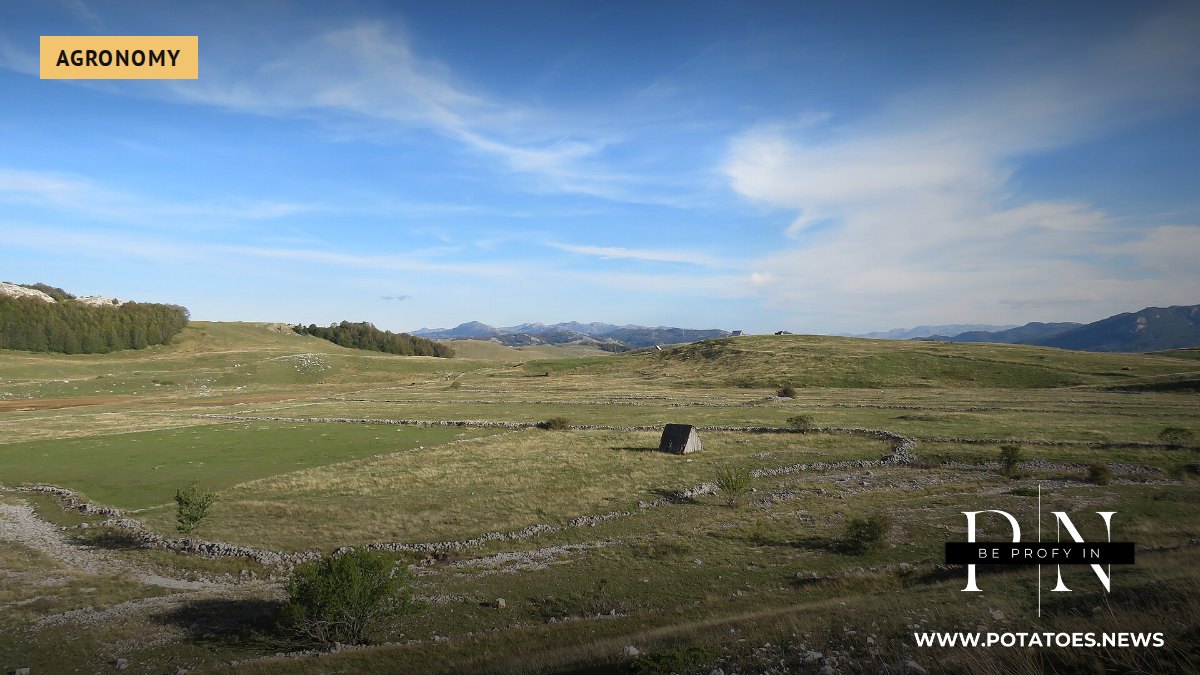
Photo: Fields south of Žabljak, Montenegro (illustrative). Calistemon / Wikimedia Commons, CC BY-SA 4.0