Belarus Ordered to Expand Potato Acreage, but Market Access Remains a Precondition
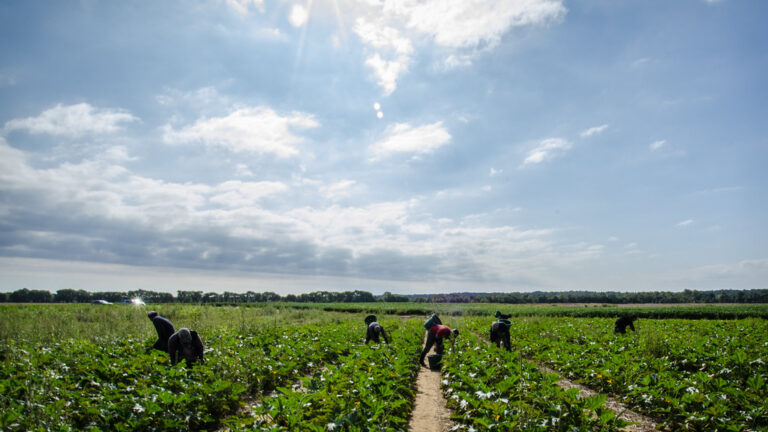
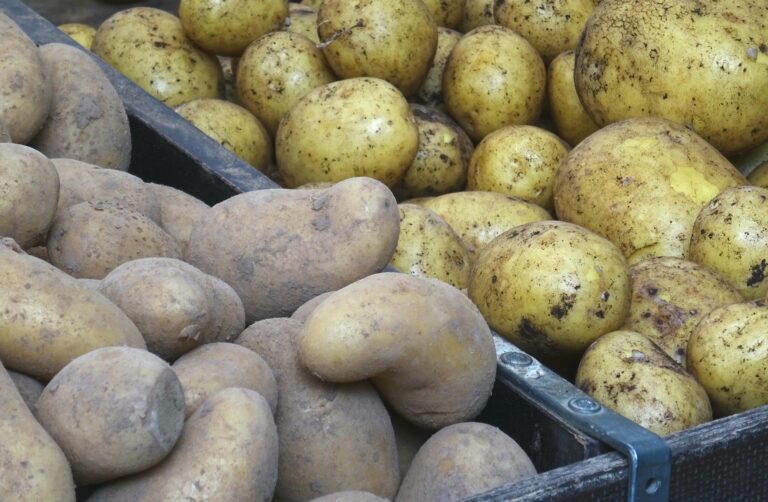
Belarusian President Alexander Lukashenko has instructed an expansion of potato planting areas, yet the government must first secure new export markets before the winter season. Currently, large-scale commercial farms cultivate approximately 22,000 hectares, a figure the head of state deemed insufficient for the country. Vadim Makhanko, Director General of the Republican Unitary Enterprise “Research and Practical Center of the National Academy of Sciences of Belarus for Potato and Fruit-Vegetable Growing,” explained that current production volumes fully cover domestic consumption and the raw material demands of processors, including the starch industry and producers of chips, French fries, and mashed potatoes. With approximately 300,000 tons remaining for export, Makhanko cautioned that without a clear sales plan, expanded planting would lead to oversupply and price collapses, similar to what occurred in 2023. The average national yield reached 332 centners per hectare this year, a 10-centner increase over the previous year, attributed to both improved farming practices and favorable precipitation levels. The primary export destination remains Russia, where forecasts for 2026 indicate a potential reduction in Russian potato production by one million tons due to weather conditions and decreased planting areas, creating a window of opportunity for Belarusian products if competitive pricing and high quality can be ensured.
Technology and Logistics: Breeding Focus and Equipment Gaps
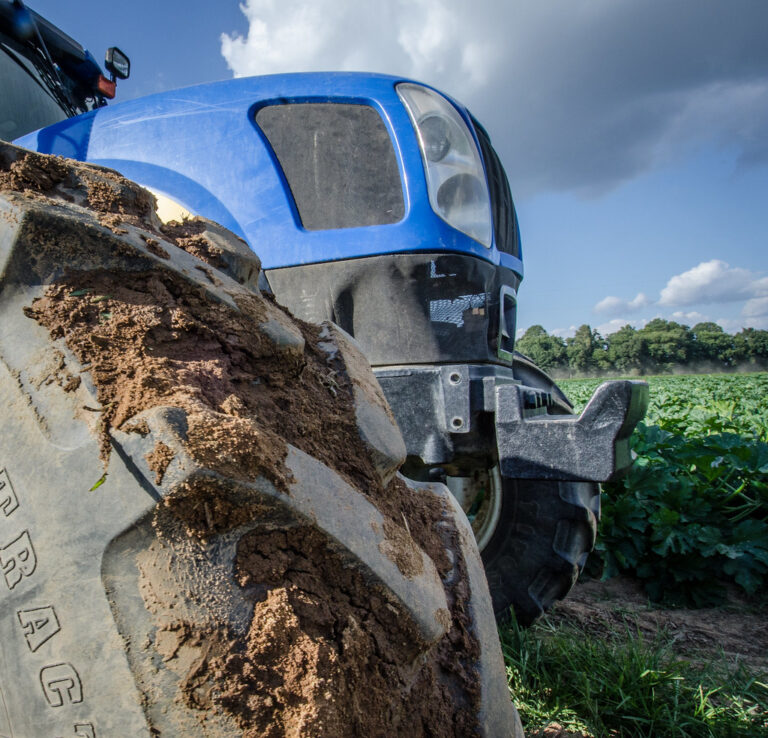
The research center is currently concentrating on developing specialized varieties for distinct purposes. For processing, the technical mid-late variety “Bogach” delivers up to 24% starch content, with test results in Moscow Oblast reaching as high as 28%. For mashed potatoes and table consumption, the mid-season “Vodar” and early “Pershatsvet” are prioritized. For French fries and chips, breeding efforts are underway but require time, as the global market for these segments is limited to only three to five base varieties. Regarding agricultural techniques, several shifts are being recorded: some farms are transitioning from 75-centimeter to 90-centimeter row spacing; deep loosening is being introduced to break up the plow pan, allowing oxygen and moisture access to roots, alongside a move toward no-till cultivation. On the import substitution front, a French fry production line has been launched in cooperation with the Tolochin Canning Plant to eliminate foreign purchases of this product. In terms of machinery, Makhanko asserts that Belarus has established a complete line of equipment for soil preparation, planting, warehouse logistics, and packaging. However, the harvesting segment remains problematic. The potato harvester from “Gomselmash” requires refinement to match global analogues, while self-propelled harvesters from the EU and the United States are prohibitively expensive for small farms and only economically viable on areas exceeding 500 hectares.