EU Potato Market Splits in Two as Spot Prices Leave 2026 Contracts Behind
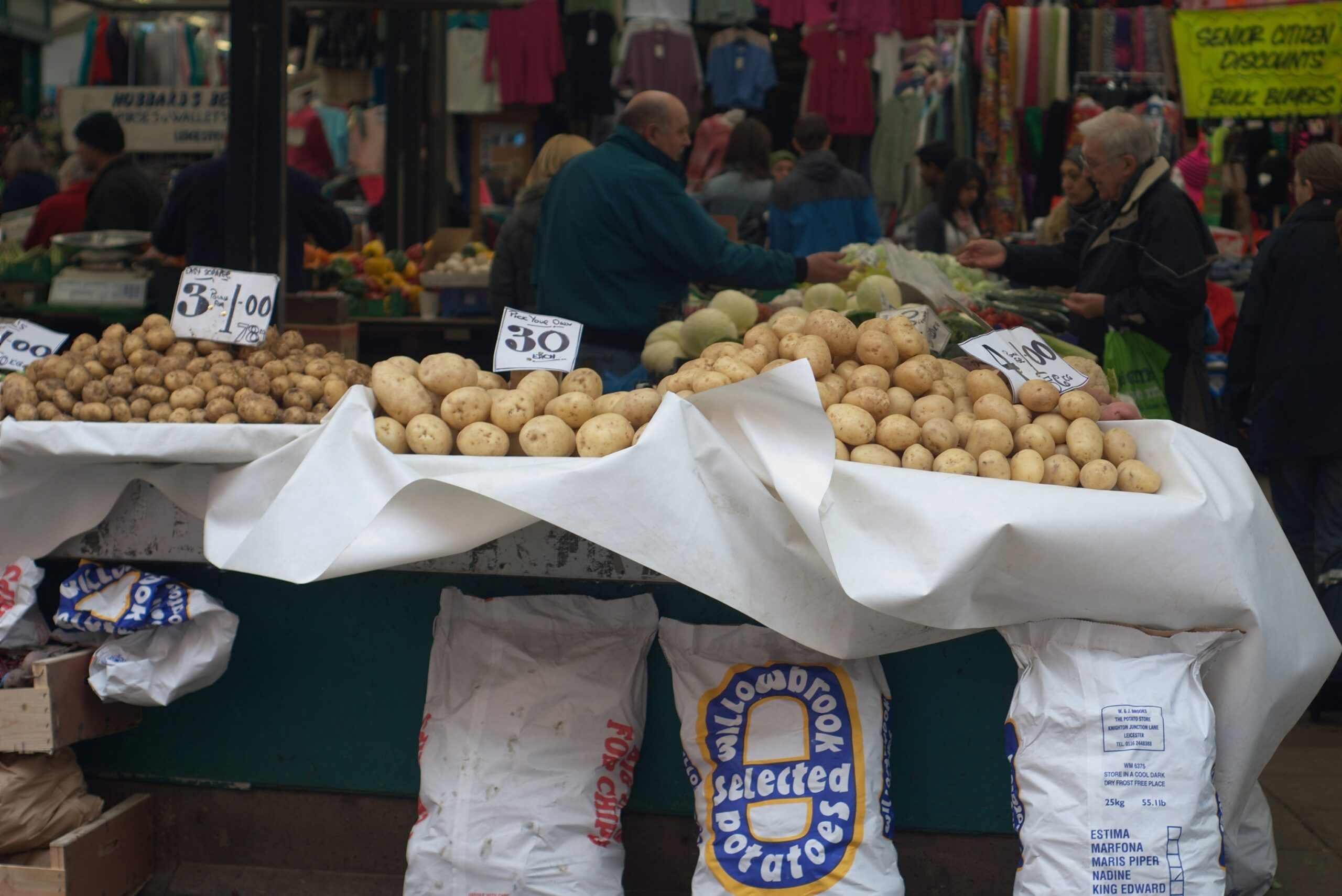
Spot prices for processing potatoes in north-west Europe have left contract levels far behind. Fontane was quoted at EUR 20 per 100 kg on the Belgian Belgapom exchange on September 25, and PotatoNL ranged between EUR 21 and EUR 27.50 per 100 kg in the week of September 21, while contracts signed for the 2026 crop came in 15 to 25 percent below last year’s levels, according to DCA Market Intelligence.
The result is two parallel markets. The contract market absorbs the shortage in the short term: a significant share of the 2026 crop was contracted before harvest. The free-buy market reacts with much greater volatility whenever processors’ marginal demand rises — and it is this market that is now signalling stress.
Behind the divergence is a sharply smaller crop. DCA estimates combined 2026 output in Germany, France, Belgium and the Netherlands at around 20.8 million tonnes, almost a quarter below last season’s record 27.3 million tonnes. Growers had already cut plantings by 10 to 17 percent across the four countries after the 2025 glut, and five summer heatwaves with subsequent drought cut yields by 7 to 21 percent against five-year averages. The Energy and Climate Intelligence Unit puts the weather-related loss at about 3.1 million tonnes, valued at EUR 405–622 million at pre-drought contract prices; including Great Britain, the figure rises above 3.5 million tonnes.
Weekdays. Unsubscribe in one click.
Regional figures underline the spread. In Bavaria, farmers harvested around 1.2 million tonnes — 36.2 percent below the previous year — and free raw material for French fries was quoted at EUR 22–28 per 100 kg in late September. German processing potatoes generally are making around EUR 240 per tonne against a season low of EUR 15 in June, while British processors are paying over GBP 300 per tonne to secure supply.
NEPG adds a quality warning: tubers are smaller and shorter on average this year, and there is a risk of early sprouting that could make contract obligations difficult to meet, especially in Belgium and France. Heat in June and July accelerated canopy senescence during tuber bulking, shortening the filling period; such tubers also carry lower dormancy into storage.
Analysts point to February–April 2027 as the critical window, when residual quality, outstanding contracts and available stocks will become clear. Until then, the spread between contract and spot prices remains the number to watch.
The production figures are estimates rather than completed harvest statistics.
Source: DCA Market Intelligence via FreshPlaza; Belgapom; PotatoNL; ECIU.