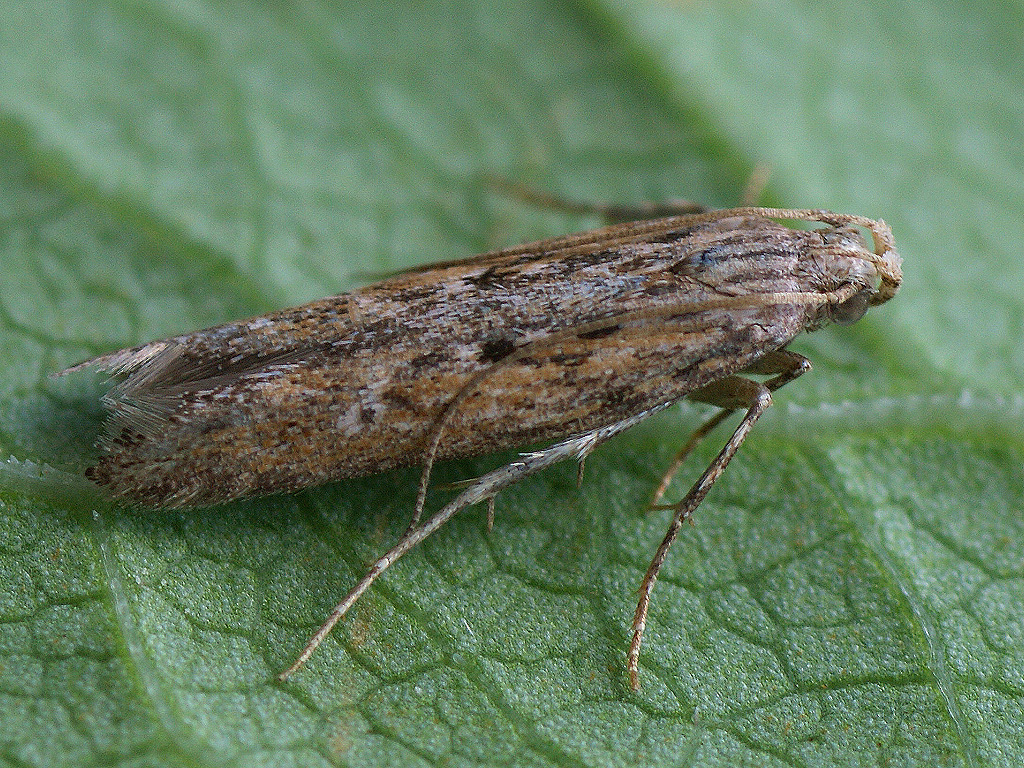
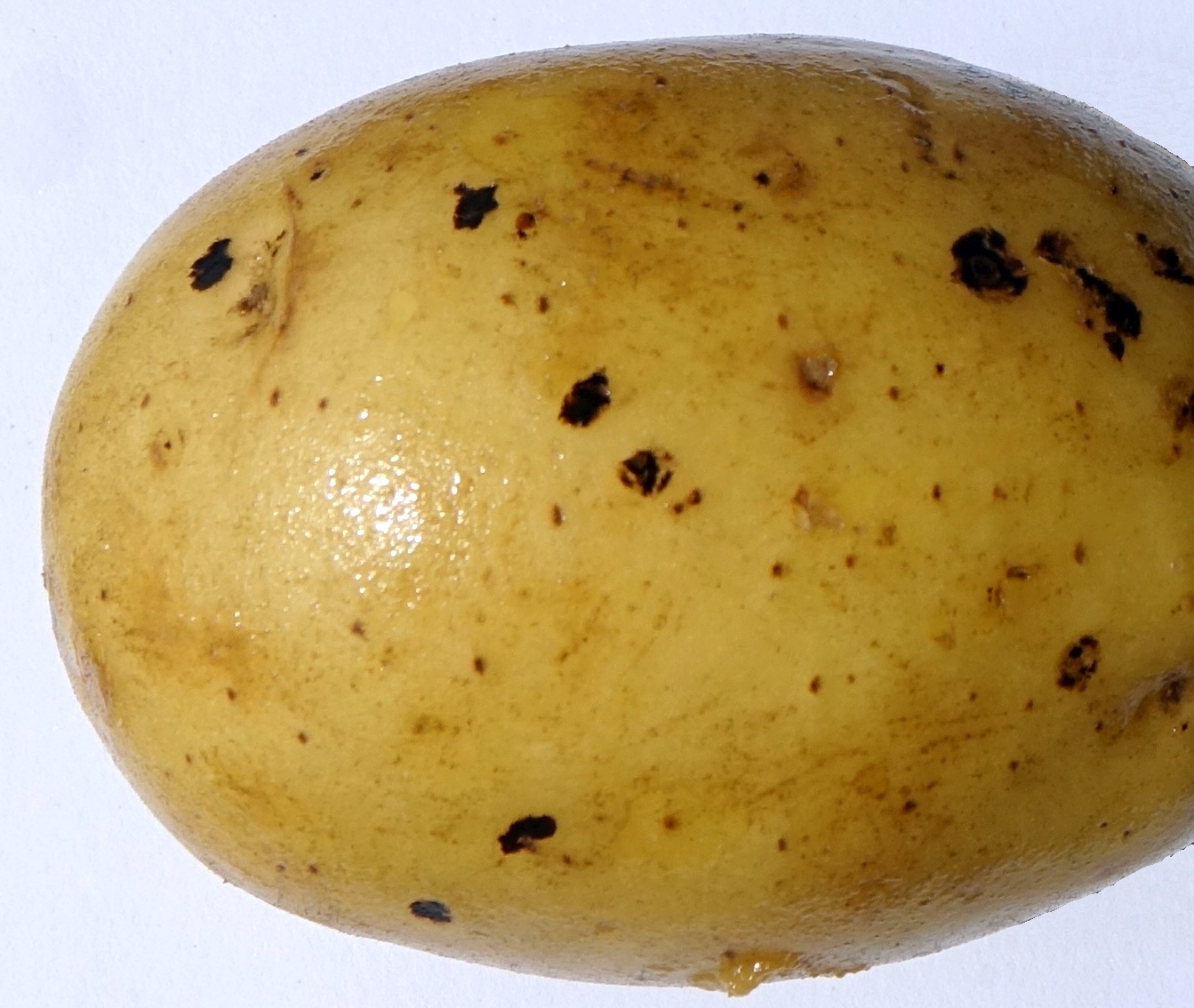
Storage losses to the potato tuber moth reach 50–100% in warm countries. Cooling below 10°C, deep planting and clean tubers are the main defences; plant powders showed results in Egypt.
EU rules for potato brown rot require 200-tuber tests, destruction of infected lots and a four-year ban on host crops on infected fields. Egyptian ware imports face extra checks until 2029.
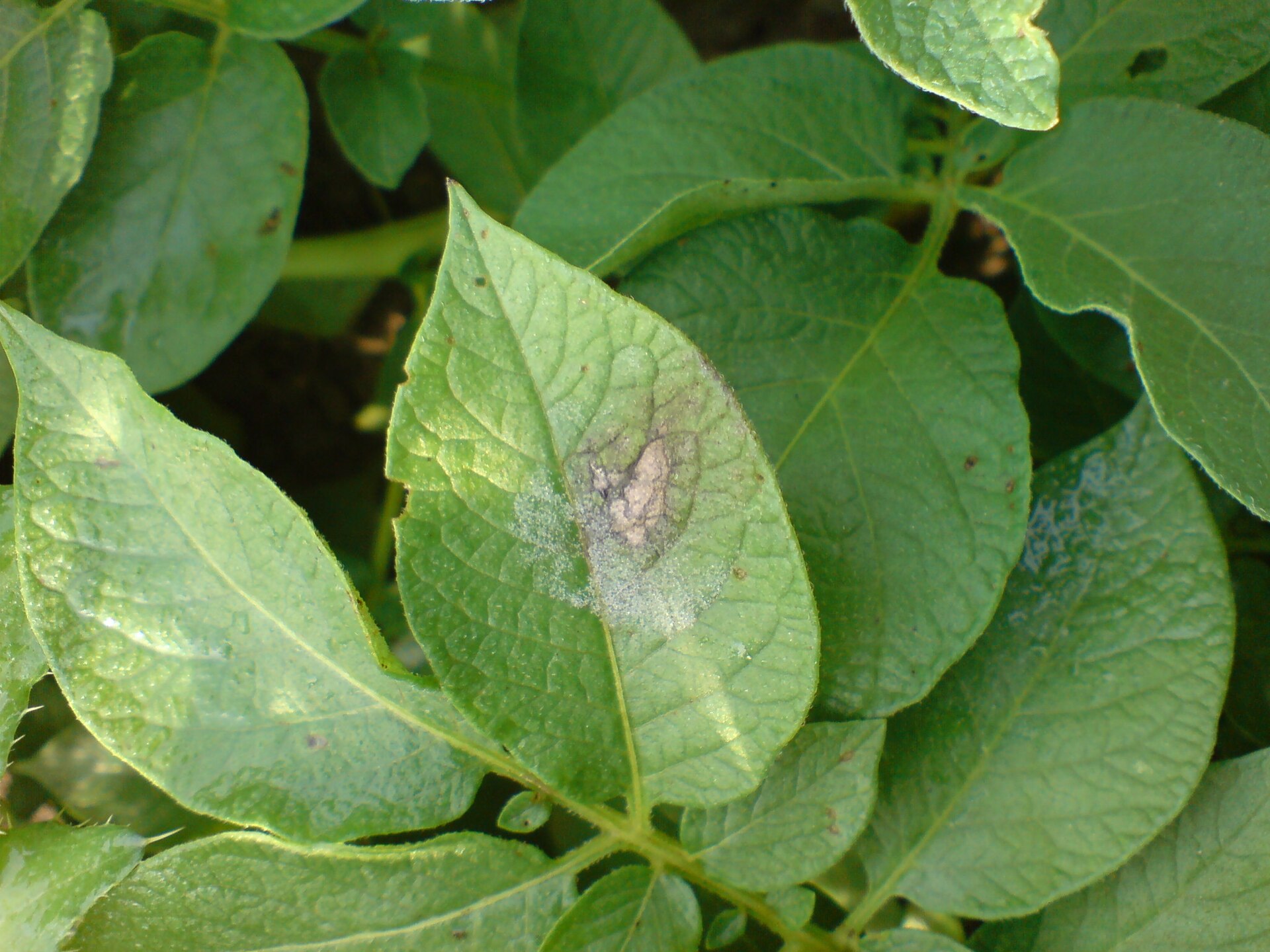
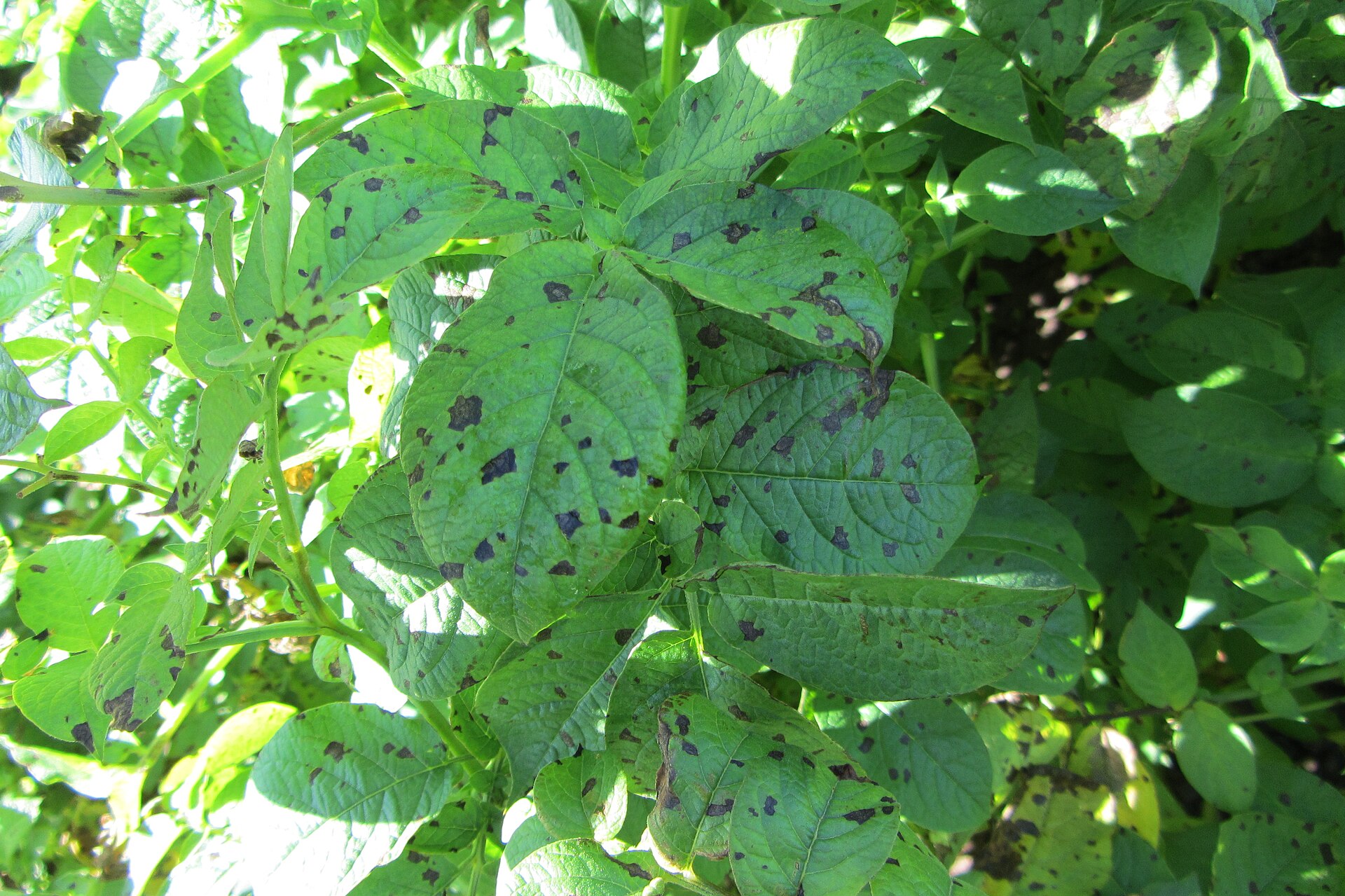
Research on drone and field cameras shows high accuracy for visible late blight. Early detection before spots appear is harder, and models trained in the lab lose accuracy in the field.
Field and glasshouse studies show that trap crops and brassica biofumigation can reduce potato cyst nematodes, but results range from 30% to almost 100% and depend on soil and crop establishment.
Dutch inspectors say use of PFAS-containing pesticides, mainly against potato late blight, rose from 250,000 kg in 2022 to 465,000 kg in 2024. The authorisation board Ctgb is studying a ban, with findings expected in April 2027.
A new thermal haulm burner in Canada revives an old question. UK trial data show how flailing, PPO desiccants and pulling perform without diquat on speed, skin set, stem-end browning and cost.
Soil and seed inoculum, plant stress and long waits between haulm killing and harvest all raise black dot on potato tubers. Research from the UK, Wisconsin and California shows which steps cut the risk.
Sclerotia of Rhizoctonia solani form faster once the haulm is killed, so the wait for skin set carries a cost. Research and extension advice point to seed quality, haulm method and prompt harvest.
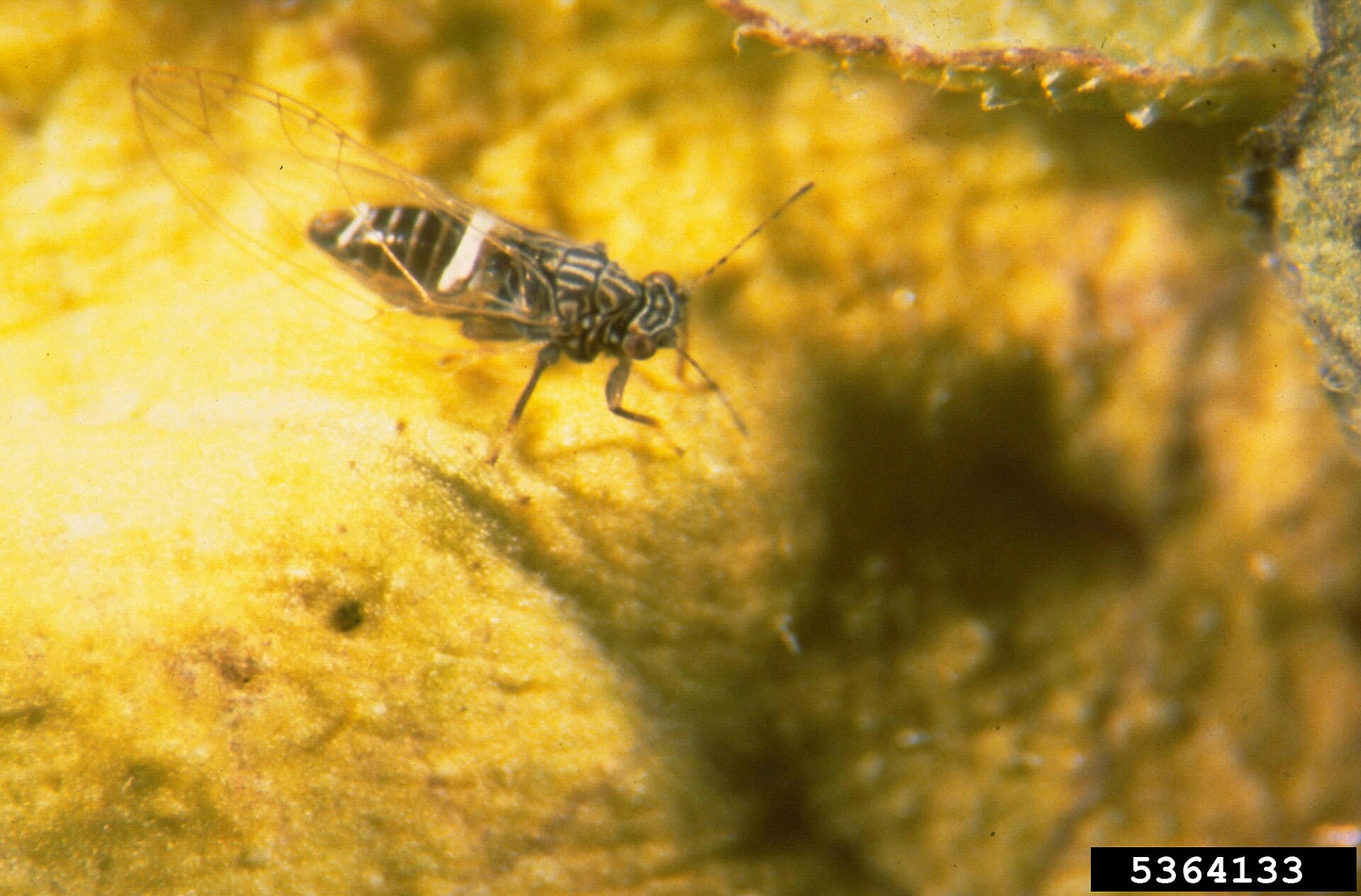
Zebra chip has no resistant commercial variety, so control depends on the psyllid that carries it. Extension data show how temperature, feeding time and spray rotation shape the risk.
Field and laboratory work in Sweden shows how fast Alternaria solani can escape SDHI fungicides. In Wisconsin, specialists start early blight sprays at 300 P-days and report strong strobilurin resistance.
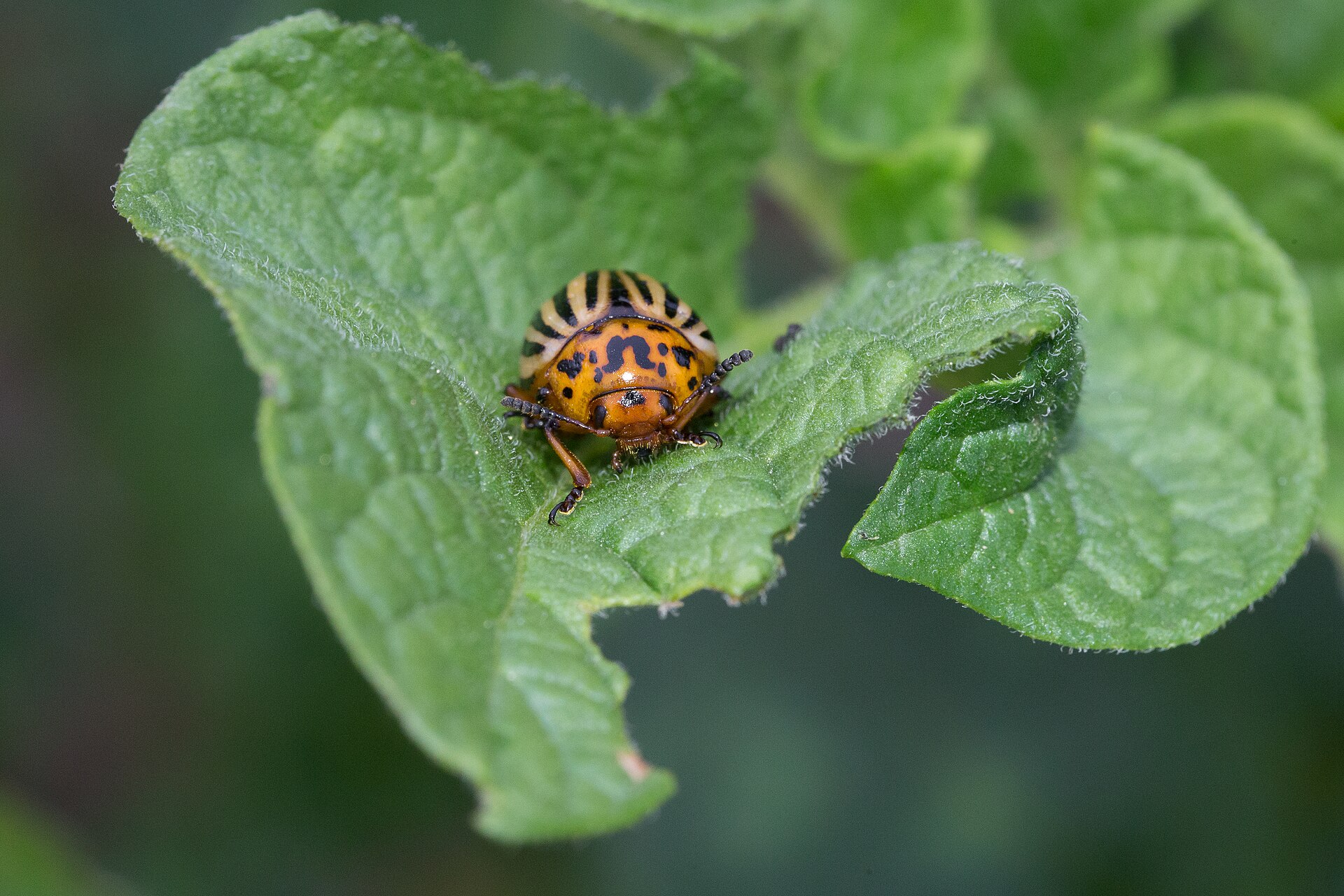
A six-year Czech survey of 69 beetle populations found no population fully sensitive to a common pyrethroid. Extension advice is to rotate insecticide groups by beetle generation, not by brand.